
PROMO!
First order? Get 10% OFF with this code: 1storder
Our Product Categories


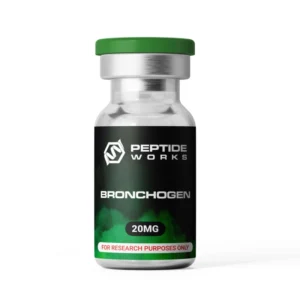
Bronchogen peptide is a synthetic peptide designed for research purposes, primarily targeting respiratory health and cellular repair mechanisms. It is studied for its potential to support the regeneration of lung tissue and improve cellular function in the respiratory system.
Researchers are exploring its role in mitigating oxidative stress, reducing inflammation, and promoting the repair of damaged lung cells. Bronchogen peptide is of particular interest in studies related to chronic respiratory conditions, such as asthma, chronic obstructive pulmonary disease (COPD), and pulmonary fibrosis. As with all research peptides, Bronchogen is not FDA-approved and is strictly intended for laboratory experimentation.
Peptide Sequence (IUPAC Condensed): Ala-Glu-Asp-Leu
Molecular Formula: C18H30N4O9
Molecular Weight: 446.5 g/mol
Synonyms: AEDL
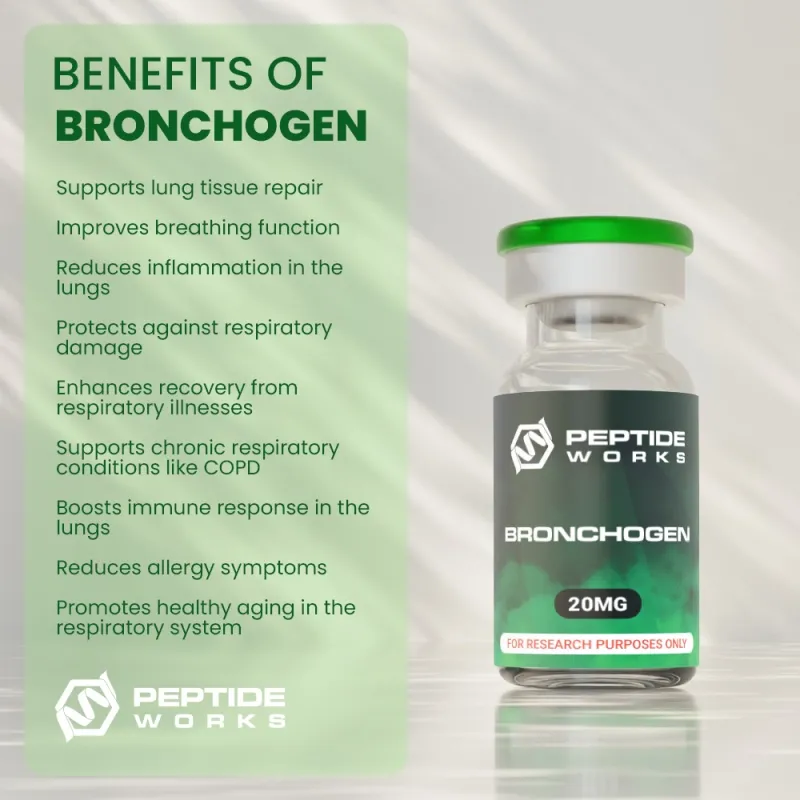
Bronchogen peptide is thought to impact the respiratory system by engaging specific molecular pathways that regulate cellular repair and function. Research suggests it activates key signaling pathways, such as PI3K/Akt and MAPK, which are crucial for cell survival, proliferation, and tissue regeneration. The effect of Bronchogen on the bronchial epithelium includes enhancing functional activity, promoting surfactant production, and increasing secretory immunoglobulin A, which strengthens local immunity.
Bronchogen may also modulate inflammatory responses by regulating the NF-κB pathway, reducing pro-inflammatory cytokines. Additionally, it is thought to protect against oxidative stress by upregulating Nrf2 pathways. In vitro testing indicates Bronchogen binds specific DNA sequences, potentially influencing cytosine DNA methylation and supporting cell renewal processes. These combined mechanisms highlight its potential to maintain cellular stability and promote lung tissue repair.
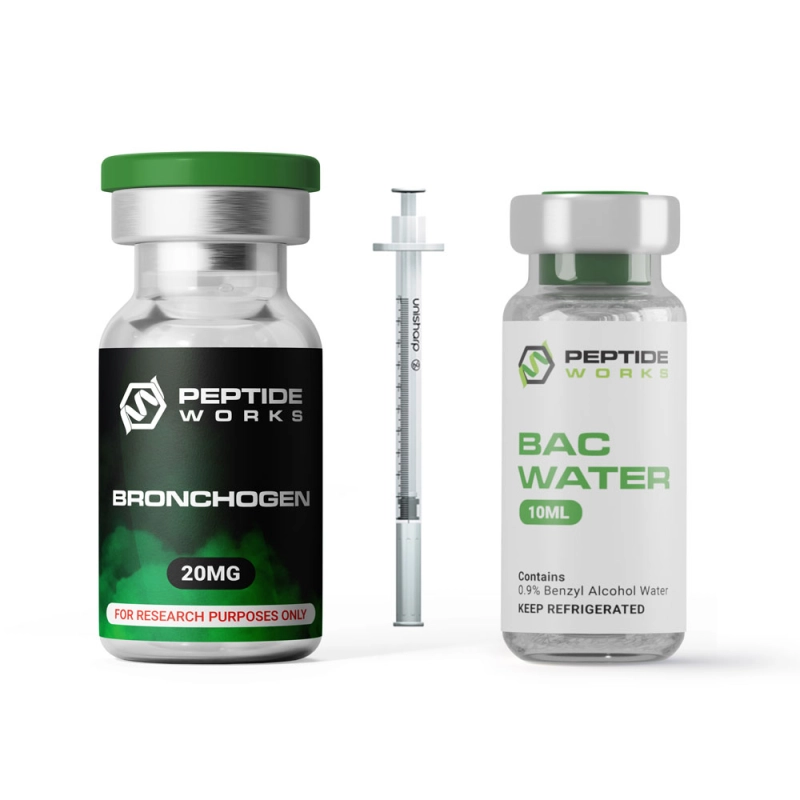
Buy Bronchogen Peptide Vial from Peptide Works for laboratory research use. Available in 20 mg vials, this lyophilized powder boasts a purity of over 99%. Each vial is supplied in a sealed sterile glass container to maintain both quality and stability.
DNA Stabilization at the Molecular Level: Bronchogen peptide helps stabilize DNA and interacts with its structure. Studies show it raises the melting temperature of DNA from calf thymus and mouse liver by 3.1°C, making the DNA more stable within a specific concentration range. It binds to both DNA strands, mainly targeting nitrogen bases, without changing the energy needed to melt the DNA (1).
Research also shows that Bronchogen can enter cells and nuclei, where it binds specifically to DNA sequences containing CTG. This targeted interaction may play a role in controlling gene activity and influencing epigenetic processes, which affect how genes are expressed (2).
Regulation of Gene Expression within Epithelial Cells: Research shows that the Bronchogen peptide helps control how genes work in the cells lining your airways (bronchoepithelial cells). It does this in a few ways:
Additionally, Bronchogen can influence the physical structure of DNA and its associated proteins (chromatin), which plays a key role in regulating cell function (3).
Anti-Inflammatory and Immune-Modulatory Effects: Bronchogen peptide helps reduce inflammation and boost immune function, especially in the lungs (4). In studies on chronic obstructive pulmonary disease (COPD), it lowered inflammation by balancing immune cells and reducing harmful proteins in lung fluid (5).
It also repaired damaged lung tissue, reversing issues like excess mucus-producing cells and abnormal cell growth. Bronchogen improved lung function by increasing secretory IgA, which strengthens local immunity, and surfactant protein B, which helps keep airways open (6).
Overall, it supports lung healing and may be useful for reducing inflammation and improving immune health in conditions like COPD and age-related lung issues.
Promoting Tissue Integrity and Regeneration: Bronchogen is a peptide that supports lung tissue regeneration and integrity. Research on rat tissue cultures indicates that even at low concentrations, it stimulates repair processes in both young and aging lungs. By enhancing tissue health, Bronchogen shows significant potential for treating age-related lung degeneration and supporting long-term respiratory function (4).
Potential Geroprotective Effects: Bronchogen peptide may help slow down aging in lung tissues by improving how cells function and develop. In studies, it boosted important markers like CXCL12 and Hoxa3, which are needed for healthy cell activity. This effect was stronger in older cells, where these markers are usually lower.
By increasing these markers, Bronchogen helps fight age-related cell decline, keeping lung tissues healthier and supporting their repair. This means Bronchogen could play a role in slowing aging in the lungs and improving respiratory health, especially in older people (7).
(1) Monaselidze JR, Khavinson VKh, Gorgoshidze MZ, Khachidze DG, Lomidze EM, Jokhadze TA, Lezhava TA. Effect of the peptide bronchogen (Ala-Asp-Glu-Leu) on DNA thermostability. Bull Exp Biol Med. 2011 Jan, Volume 150 (Issue 3), Pages 375-7.
(2) Fedoreyeva, L.I., Kireev, I.I., Khavinson, V.K. et al. Penetration of short fluorescence-labeled peptides into the nucleus in HeLa cells and in vitro specific interaction of the peptides with deoxyribooligonucleotides and DNA. Biochemistry Moscow Volume 76, Pages 1210–1219 (2011).
(3) Vanyushin, B.F., Khavinson, V.K. (2016). Short Biologically Active Peptides as Epigenetic Modulators of Gene Activity. In: Doerfler, W., Böhm, P. (eds) Epigenetics – A Different Way of Looking at Genetics.
(4) Zakutskiĭ AN, Chalisova NI, Ryzhak GA, Aniskina AI, Filippov SV, Zeziulin PN. (The tissue-specific effect of synthetic peptides-biologic regulators in organotypic tissues culture in young and old rats). Adv Gerontol. 2006, Volume 19, Pages 93-6. Russian.
(5) Titova ON, Kuzubova NA, Lebedeva ES, Preobrazhenskaya TN, Surkova EA, Dvorakovskaya IV. (ANTIINFLAMMATORY AND REGENERATIVE EFFECT OF PEPTIDE THERAPY IN THE MODEL OF OBSTRUCTIVE LUNG PATHOLOGY). Ross Fiziol Zh Im I M Sechenova. 2017 Feb, Volume 103 (Issue 2), Pages 201-8. Russian.
(6) Kuzubova NA, Lebedeva ES, Dvorakovskaya IV, Surkova EA, Platonova IS, Titova ON. Modulating Effect of Peptide Therapy on the Morphofunctional State of Bronchial Epithelium in Rats with Obstructive Lung Pathology. Bull Exp Biol Med. 2015 Sep, Volume 159 (Issue 5), Pages 685-8.
(7) Khavinson, V.K., Linkova, N.S., Polyakova, V.O. et al. Peptides Tissue-Specifically Stimulate Cell Differentiation during Their Aging. Bull Exp Biol Med Volume 153, Pages 148–151 (2012).
The answers to the most frequently asked questions about the peptide.
The AEDL sequence is critical because it represents the active site of the peptide responsible for its tissue-specificity. In peptide bioregulation theory, short peptides (2–4 amino acids) are considered signal molecules that carry information to specific tissues. The AEDL sequence acts as a "key" that corresponds specifically to the DNA of bronchial tissue cells. If this sequence is altered, the peptide loses its affinity for bronchial tissue and may either target a different organ or lose bioactivity entirely.
In gerontology, aging is linked to reduced protein synthesis and gene expression. Bronchogen targets age-related decline in the respiratory system. With age, the bronchial mucous membrane thins and loses elasticity. Research is exploring Bronchogen's ability to reactivate protein synthesis, potentially rejuvenating tissue at a molecular level. This supports the goal of extending "healthspan" by preserving organ function during aging.
Whether you can legally buy Bronchogen depends on where you live. In Russia and CIS countries, it's often approved as a supplement or medicine. In the U.S. and EU, however, it is sold only as a research chemical and is not approved for medical use. Regulations vary by country, and some have strict import rules. While generally legal for research, Bronchogen cannot be sold with unverified medical claims. Always check your local laws before buying.
While clinical studies show Bronchogen is generally safe, it can have mild and rare side effects. These may include mild allergic reactions, injection site reactions, and minor gastrointestinal discomfort. Long-term effects are still being studied.
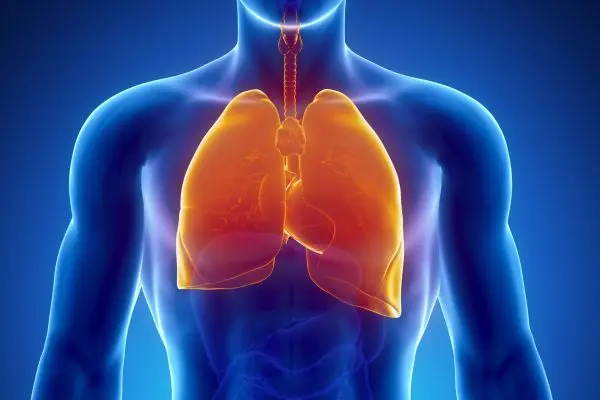
This blog delves into the potential of Bronchogen Peptide as a breakthrough in COPD research. It explores its role in restoring airway cell balance, reducing mucus buildup, and mitigating inflammation. Additionally, it highlights how Bronchogen and other peptides like VIP and Thymosin Alpha-1 contribute to advancing targeted approaches for managing COPD progression.
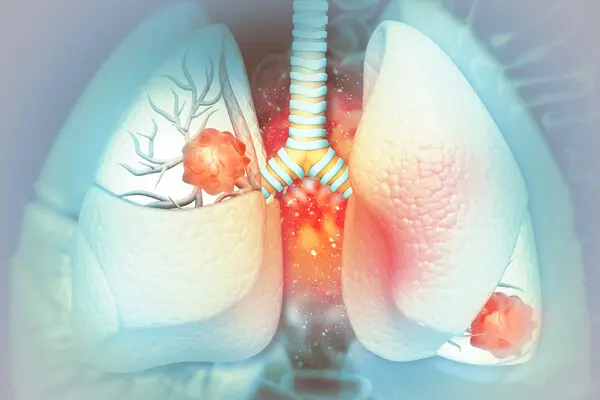
This blog explores the role of Bronchogen Peptide in pulmonary fibrosis research, focusing on its potential to regulate bronchial epithelial cells, support early lung repair, and limit fibrosis progression. It compares Bronchogen with other peptides like B7-33 and FOXO4-DRI, highlighting their unique mechanisms in addressing tissue balance, matrix regulation, and cellular aging.
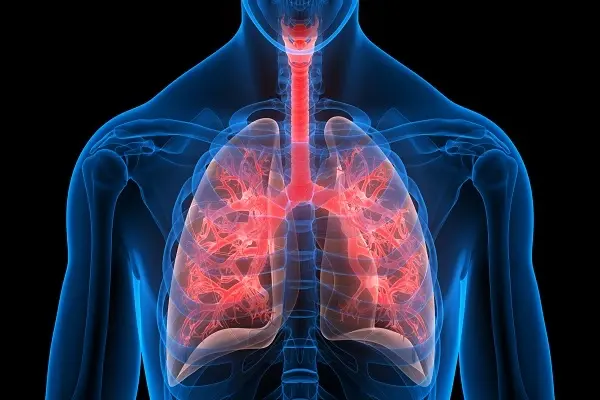
This blog explores the potential of peptides like B7-33 and FOXO4-DRI in reducing fibrosis, a condition marked by excessive scarring in tissues. It delves into how these compounds block harmful pathways, target senescent cells, and activate RXFP1 receptors to promote healthy tissue repair. The blog highlights their promise in fibrosis research and regenerative medicine.
Excellent Customer Support
Value For Money
99% Pure Guaranteed
World Wide Shipping
ALL CONTENT AND PRODUCT INFORMATION AVAILABLE ON THIS WEBSITE IS FOR EDUCATIONAL PURPOSES ONLY.
DISCLAIMER: These products are intended solely as a research chemical only. This classification allows for their use only for research development and laboratory studies. The information available on our Peptide Works website: https://peptide-works.com/ is provided for educational purposes only. These products are not for human or animal use or consumption in any manner. Handling of these products should be limited to suitably qualified professionals. They are not to be classified as a drug, food, cosmetic, or medicinal product and must not be mislabelled or used as such.