
PROMO!
First order? Get 10% OFF with this code: 1storder
Our Product Categories


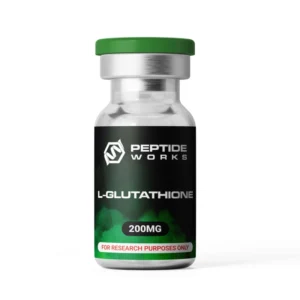
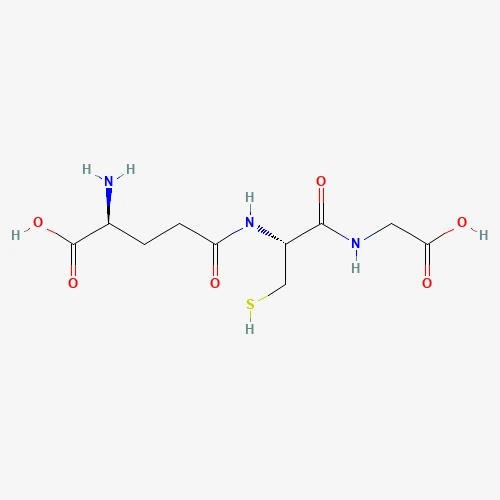
L-Glutathione is a tripeptide molecule composed of glutamine, cysteine, and glycine, and serves as a cornerstone of cellular antioxidant defense. It exists predominantly in its reduced form (GSH), which actively neutralizes reactive oxygen species (ROS) and maintains redox homeostasis.
This peptide is synthesized endogenously, meaning it is naturally produced within the body through enzymatic processes using its constituent amino acids, rather than being obtained externally through diet or supplements. Its endogenous production is essential for maintaining cellular health and supporting vital functions such as detoxification, protein synthesis, DNA repair, and immune defense.
Additionally, L-Glutathione regenerates other antioxidants, like vitamins C and E, enhancing their protective effects. Scientists are particularly interested in its role in aging, neurodegenerative diseases, oxidative stress-related disorders, and its potential applications in therapeutic interventions and biomarker research.
Peptide Sequence (IUPAC Condensed): H-gGlu-Cys-Gly-OH
Molecular Formula: C10H17N3O6S
Molecular Weight: 307.33 g/mol
Synonyms: GSH
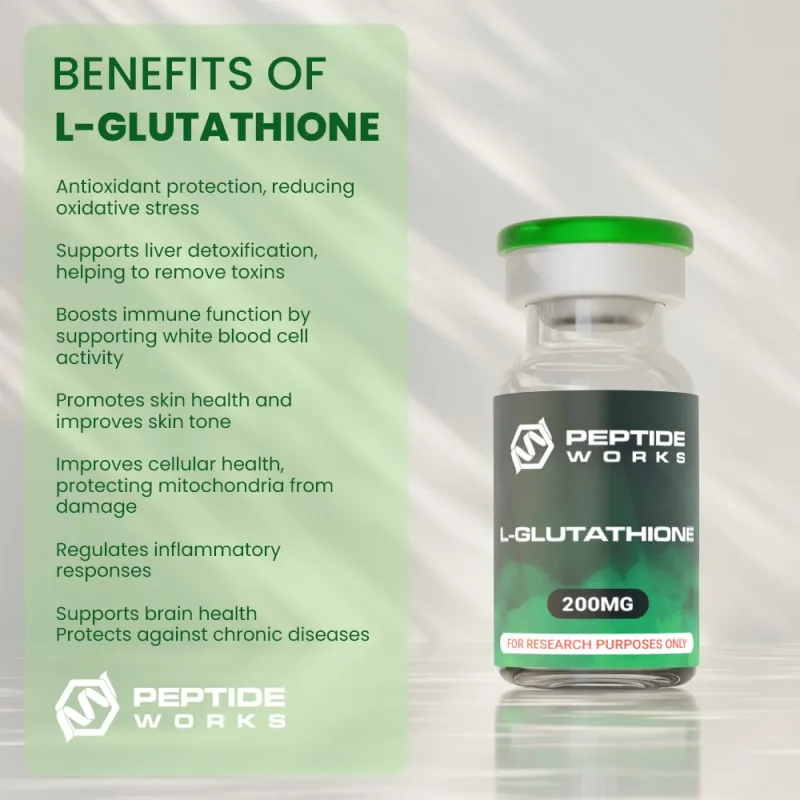
L-Glutathione peptide plays a vital role in cellular health, redox balance, and detoxification through multiple mechanisms. As a potent antioxidant, its reduced form (GSH) neutralizes reactive oxygen species (ROS), preventing oxidative damage to lipids, proteins, and DNA.
It regenerates antioxidants like vitamins C and E, amplifying defense systems, and detoxifies harmful substances via the glutathione-S-transferase (GST) pathway.
L-Glutathione regulates redox-sensitive signaling, supports protein and DNA repair, and enhances immune function by boosting lymphocyte activity and cytokine production.
Additionally, it inhibits tyrosinase to reduce melanin production, brightens skin, and protects mitochondria, ensuring energy efficiency and combating aging-related oxidative stress.
Cellular Antioxidant:As a vital antioxidant, L-Glutathione plays a critical role in protecting cells. It neutralizes harmful reactive oxygen species, which are byproducts of metabolism, shielding cellular components like DNA, proteins, and lipids from oxidative stress [1]. This protection is crucial because oxidative stress contributes to severe health conditions like cancer and neurodegenerative disorders such as Parkinson’s and Alzheimer’s disease.
Low levels of glutathione (GSH) increase oxidative stress, which can be particularly damaging to the brain and may accelerate the progression of certain health conditions. Therefore, maintaining adequate GSH levels is essential for cellular health [2]. Research shows that supplementing with precursors like N-acetyl-cysteine (NAC) can effectively boost GSH levels. This helps reduce oxidative damage and enhances cellular defenses, especially during illness or intense physical activity [3].
Cellular Protection and Inflammation: Research shows that L-Glutathione (GSH) helps protect cells and control inflammation by reducing oxidative stress and balancing inflammatory responses. It lowers harmful molecules called reactive oxygen species (ROS), which can damage cells, and reduces the production of inflammatory substances like TNF-α, IL-1β, and IL-6.
At the same time, GSH boosts anti-inflammatory molecules like IL-10 and regulates pathways, such as PTEN/PI3K/AKT, to reduce inflammation in conditions like rheumatoid arthritis [4]. GSH also activates systems that strengthen antioxidant defenses and immune responses. In diseases like HIV and COVID-19, low GSH levels worsen inflammation, but supplementation can reduce damage and improve immune health [5].
Immune Function Regulation: Research suggests that L-Glutathione plays a vital role in regulating immune function by balancing oxidative stress and fine-tuning immune responses. As a key antioxidant, GSH supports innate immunity by modulating redox-sensitive pathways involved in inflammation and host defense [6].
It enhances macrophage antimicrobial activity, optimizes antiviral responses, and regulates T helper cell function, which is crucial for containing infections like tuberculosis. In conditions like COVID-19, studies have shown that GSH depletion disrupts redox balance, leading to excessive cytokine signaling, immune dysfunction, and severe complications [7]. By maintaining redox homeostasis and modulating immune pathways, GSH improves resilience against infections and highlights its potential in host-directed immunotherapy strategies [8].
Association with Chronic Disease Markers: Research suggests that L-Glutathione is essential for maintaining redox balance and protecting against oxidative stress, which is closely associated with chronic disease markers. Studies have demonstrated that GSH deficiency results in oxidative damage that contributes to neurodegenerative disorders, diabetes, and cardiovascular diseases [9].
A study on non-alcoholic fatty liver disease (NAFLD), GSH reduces oxidative stress and inflammation, helping to limit liver damage and fibrosis [10].
For cardiovascular health, GSH was shown to protect endothelial cells from dysfunction caused by oxidized LDL by lowering reactive oxygen species, preserving nitric oxide, and preventing inflammation and apoptosis. These findings highlight GSH’s therapeutic potential in managing chronic diseases by addressing oxidative stress and cellular dysfunction [11].
Skin Brightening: L-Glutathione has gained attention for its skin-whitening effects, attributed to its ability to inhibit melanin production. It works by suppressing the tyrosinase enzyme and shifting melanin synthesis from darker eumelanin to lighter pheomelanin.
Oral and topical forms of GSH have shown moderate success in reducing melanin levels with minimal side effects, while intravenous use, though popular, raises significant safety concerns, including risks of anaphylaxis and liver damage. Despite its potential, evidence supporting GSH’s long-term efficacy and safety is limited. More robust clinical trials are needed to establish standardized protocols and confirm its role in skin-lightening therapies [12].
[1] Kerksick C, Willoughby D. The antioxidant role of glutathione and N-acetyl-cysteine supplements and exercise-induced oxidative stress. J Int Soc Sports Nutr. 2005 Dec 9, Volume 2 (Issue 2), Pages 38-44.
[2] Aoyama K, Nakaki T. Glutathione in Cellular Redox Homeostasis: Association with the Excitatory Amino Acid Carrier 1 (EAAC1). Molecules. 2015 May 14, Volume 20 (Issue 5), Pages 8742-58.
[3] Giustarini D, Milzani A, Dalle-Donne I, Rossi R. How to Increase Cellular Glutathione. Antioxidants (Basel). 2023 May 13, Volume 12 (Issue 5), Page 1094.
[4] Ting Hao W, Huang L, Pan W, Ren YL. Antioxidant glutathione inhibits inflammation in synovial fibroblasts via PTEN/PI3K/AKT pathway: An in vitro study. Arch Rheumatol. 2021 Dec 24, Volume 37 (Issue 2), Pages 212-222.
[5] Lin N, Erdos T, Louie C, Desai R, Lin N, Ayzenberg G, Venketaraman V. The Role of Glutathione in the Management of Cell-Mediated Immune Responses in Individuals with HIV. International Journal of Molecular Sciences. 2024; Volume 25 (Issue 5), Page 2952.
[6] Ghezzi P. Role of glutathione in immunity and inflammation in the lung. Int J Gen Med. 2011 Jan 25, Volume 4, Pages 105-13.
[7] Diotallevi M, Checconi P, Palamara AT, Celestino I, Coppo L, Holmgren A, Abbas K, Peyrot F, Mengozzi M, Ghezzi P. Glutathione Fine-Tunes the Innate Immune Response toward Antiviral Pathways in a Macrophage Cell Line Independently of Its Antioxidant Properties. Front Immunol. 2017 Sep 29, Volume 8, Page 1239.
[8] Dawi J, Affa S, Misakyan Y, Gonzalez E, Affa S, Venketaraman V. Glutathione-Mediated Redox Regulation of Immune Dysfunction in COVID-19 and Tuberculosis. Antioxidants. 2026; Volume 15 (Issue 2), Page 214.
[9] Wu G, Lupton J R, Turner N D, Fang Y-Z, Yang S. – The Journal of Nutrition, Volume 134, Issue 3, March 2004, Pages 489-492.
[10] Santacroce G, Gentile A, Soriano S, Novelli A, Lenti MV and Di Sabatino A (2023) Glutathione: Pharmacological aspects and implications for clinical use in non-alcoholic fatty liver disease. Frontiers in Medicine, Volume 10, Page 1124275.
[11] Marasinghe CK, Je JY. Glutathione as a Therapeutic Agent for OxLDL-Induced Endothelial Dysfunction and Atherosclerosis Prevention. Cell Biol Int. 2025 Sep;49(9):1163-1172.
[12] Alzahrani TF, Alotaibi SM, Alzahrani AA, Alzahrani AF, Alturki LE, Alshammari MM, Alharbi RA, Alanazi SI, Alshammari WZ, Algarni AS. Exploring the Safety and Efficacy of Glutathione Supplementation for Skin Lightening: A Narrative Review. Cureus. 2025 Jan 27, Volume 17 (Issue 1), Page e78045.
The answers to the most frequently asked questions about the peptide.
L-Glutathione brightens the skin by influencing melanin production in four key ways. It inhibits the enzyme tyrosinase to reduce the creation of dark pigment. It also shifts melanin synthesis from dark pigment (eumelanin) to a lighter pigment (pheomelanin). Its antioxidant properties neutralize free radicals, preventing hyperpigmentation. Finally, it aids in detoxifying and repairing skin cells, which improves overall skin health and radiance. These combined actions result in a brighter, more even skin tone.
L-Glutathione is generally safe within recommended doses, but long-term use can have side effects. These may include gastrointestinal issues like bloating, rare allergic reactions, and uneven skin tone from excessive lightening. There are also potential hormonal effects and unknown long-term risks due to limited research, especially with intravenous use, which could also strain the kidneys or liver.
L-Glutathione can help reduce signs of aging by combating oxidative stress. As a powerful antioxidant, it neutralizes harmful free radicals, regenerates other antioxidants such as vitamin C and vitamin E, and aids detoxification. It also helps reduce inflammation and can improve skin health by inhibiting melanin production, leading to a brighter complexion. By protecting cellular components from damage, L-Glutathione supports overall health and mitigates both visible and biological signs of aging.
It is legal to buy L-Glutathione peptide for laboratory research purposes. However, regulations regarding the sale and purchase of L-Glutathione for human consumption vary by country. You should always consult a medical professional before use.

This blog explores the role of L-Glutathione in supporting metabolism and cellular energy regulation. It highlights its impact on oxidative stress, insulin signaling, and nutrient processing, while clarifying that it does not directly cause weight loss. The blog also compares L-Glutathione with peptides like AOD-9064 and FTPP in metabolic research.

This blog explores the role of L-Glutathione in brain health, focusing on its antioxidant protection and support for cognitive function. It highlights how L-Glutathione helps neutralize oxidative stress, maintain cellular balance, and support neuronal signaling. The blog also examines related peptides like Selank and Semax, which influence memory, learning, and emotional regulation.
Excellent Customer Support
Value For Money
99% Pure Guaranteed
World Wide Shipping
ALL CONTENT AND PRODUCT INFORMATION AVAILABLE ON THIS WEBSITE IS FOR EDUCATIONAL PURPOSES ONLY.
DISCLAIMER: These products are intended solely as a research chemical only. This classification allows for their use only for {name} research development and laboratory studies. The information available on our Peptide Works website: https://peptide-works.com/ is provided for educational purposes only. These products are not for human or animal use or consumption in any manner. Handling of these products should be limited to suitably qualified professionals. They are not to be classified as a drug, food, cosmetic, or medicinal product and must not be mislabelled or used as such.