
PROMO!
First order? Get 10% OFF with this code: 1storder
Our Product Categories


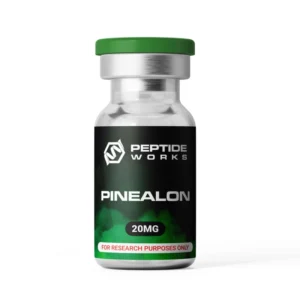
Pinealon peptide is a synthetic tripeptide made up of three amino acids: glutamic acid, aspartic acid, and glycine. It comes from natural peptides found in the pineal gland and is thought to help regulate cell activity, especially in the brain.
This short synthetic peptide may protect nerve cells by reducing oxidative stress, supporting memory and thinking, and helping cells repair themselves. Scientists are studying how it might be used for aging, brain diseases, and better brain health overall.
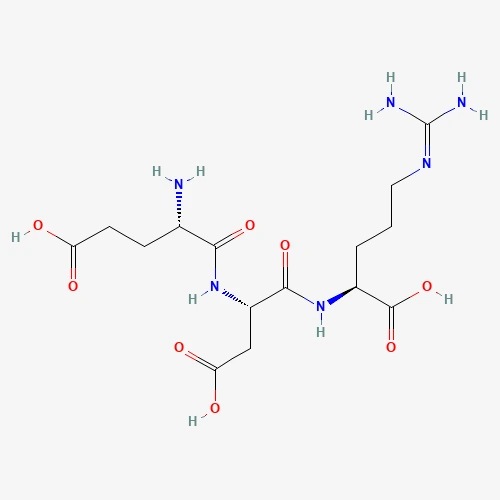
Peptide Sequence (IUPAC Condensed): H-Glu-Asp-Arg-OH
Molecular Formula: C15H26N6O8
Molecular Weight: 418.40 g/mol
Synonyms: Glu-Asp-Arg
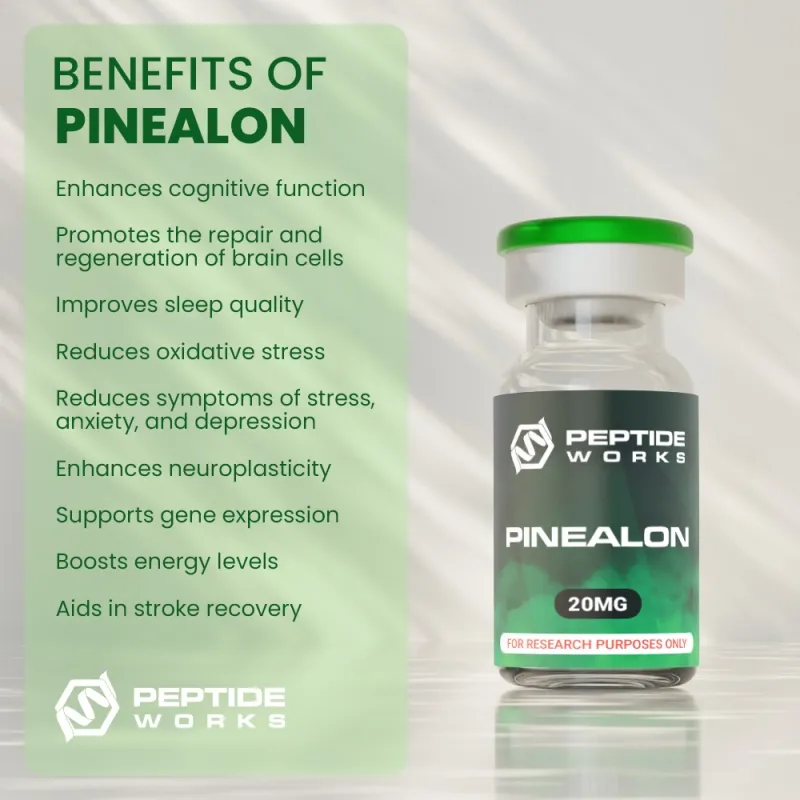
Pinealon peptide regulates cellular processes and protects against oxidative stress through multiple mechanisms. As a synthetic tripeptide, it enters cells and interacts with DNA to promote gene expression related to repair, survival, and apoptosis. This supports healthy cellular function during stress.
Pinealon reduces oxidative damage by neutralizing reactive oxygen species (ROS), harmful byproducts of cellular metabolism. By limiting ROS, it helps prevent oxidative stress, a key factor in cellular aging and neurodegeneration.
Pinealon also supports calcium homeostasis, which is essential for intracellular signaling, neuronal communication, and preventing calcium overload that can cause cell death. It enhances mitochondrial function, improving energy production and reducing dysfunction linked to age-related and neurodegenerative diseases.
By regulating oxidative stress, maintaining calcium balance, and optimizing mitochondrial health, Pinealon shows promise for research on aging, neurodegeneration, and cellular resilience. Its ability to influence these processes suggests potential as a therapeutic agent for Alzheimer’s disease, Parkinson’s disease, and other age-related disorders.
Buy Pinealon Peptide Vial for laboratory research use from Peptide Works. It’s available in 20 mg sterile glass vials and a kit that includes bacteriostatic water and syringes.
Neuroprotection: Research has shown that Pinealon exhibits significant neuroprotective effects by regulating gene expression and promoting neuronal health. It epigenetically stimulates serotonin synthesis in the brain cortex by interacting with the 5-tryptophan hydroxylase gene, enhancing serotonin levels and supporting neuro and geroprotection (1).
Pinealon also reduces neuronal apoptosis, preserves dendritic spines in Alzheimer’s and Huntington’s disease models, and activates antioxidant enzymes like SOD2 and GPX1. By modulating the MAPK/ERK signaling pathway and proapoptotic proteins (e.g., caspase-3, p53), Pinealon improves memory, normalizes behavior, and combats oxidative stress, making it a promising therapeutic candidate for neurodegenerative diseases and aging-related cognitive decline (2).
Studies on hypoxic brain conditions show Pinealon enhances neurogenesis and reduces neuroinflammation, normalizing interleukin-6 and tumor necrosis factor levels in older rats. Unlike Cortexin, which lowers cell death but keeps interleukin-6 levels high, Pinealon restores these markers to normal levels, highlighting its potential to mitigate hypoxia-induced brain damage and support cognitive resilience (3).
Cognitive Support: Research shows that Pinealon supports cognitive health by promoting gene expression and protein synthesis vital for neuron function. It helps reduce cell death, protect dendritic spines in Alzheimer’s and Huntington’s disease models, and boost antioxidant enzyme production. Clinical studies have found that Pinealon improves central nervous system function, slows aging, and enhances memory in older adults (4).
Cellular Repair: Pinealon has been shown to enhance cellular health by reducing reactive oxygen species (ROS) accumulation in cerebellar granule cells, neutrophils, and PC12 cells under oxidative stress. It reduces necrotic cell death and modulates the cell cycle, suggesting genome-wide interactions beyond its antioxidant activity. Pinealon’s dose-dependent effects include delayed ERK 1/2 activation, highlighting its protective and regulatory roles in cellular processes. These properties make it a promising candidate for conditions associated with oxidative stress (5).
Stress Reduction: Pinealon effectively reduces stress by enhancing psychoemotional balance and adaptive potential. Studies show its use in occupational settings, such as with lorry drivers, improves resistance to work-related stress and reduces the risk of borderline mental disorders (6).
Additionally, in an experimental model of hyperhomocysteinemia, Pinealon improved offspring cognitive function, reduced oxidative stress, and decreased neuronal necrosis. These findings highlight Pinealon’s ability to mitigate stress-related effects through neuroprotection and enhanced resilience to environmental and occupational challenges (7).
Anti-Aging Potential: Research suggests that Pinealon demonstrates anti-aging potential by improving central nervous system activity and vital organ function, slowing biological aging indicators. In a study of patients aged 41-83 with organic brain syndrome, Pinealon demonstrated anabolic and neuroprotective effects, enhancing cellular health without altering chromatin condensation, thereby ensuring genetic safety. While Vesugen showed stronger geroprotective effects, Pinealon remains a valuable geroprotector for reducing aging rates and supporting cognitive and systemic health in geriatric practice (8).
(1) Khavinson, V.K., Lin’kova, N.S., Tarnovskaya, S.I. et al. Short Peptides Stimulate Serotonin Expression in Cells of Brain Cortex. Bull Exp Biol Med Volume 157, Pages 77–80 (2014).
(2) Khavinson V, Linkova N, Kozhevnikova E, Trofimova S. EDR Peptide: Possible Mechanism of Gene Expression and Protein Synthesis Regulation Involved in the Pathogenesis of Alzheimer’s Disease. Molecules. 2020 Dec 31, Volume 26 (Issue 1), Page 159.
(3) Mendzheritskiĭ AM, Karantysh GV, Ryzhak GA, Dem’ianenko SV. (Regulation of content of cytokines in blood serum and of caspase-3 activity in brains of old rats in model of sharp hypoxic hypoxia with Cortexin and Pinealon). Adv Gerontol. 2014, Volume 27 (Issue 1), Pages 94-7.
(4) Meshchaninov VN, Tkachenko EL, Zharkov SV, Gavrilov IV, Katyreva IuE. (EFFECT OF SYNTHETIC PEPTIDES ON AGING OF PATIENTS WITH CHRONIC POLYMORBIDITY AND ORGANIC BRAIN SYNDROME OF THE CENTRAL NERVOUS SYSTEM IN REMISSION). Adv Gerontol. 2015, Volume 28 (Issue 1), Pages 62-7.
(5) Khavinson V, Ribakova Y, Kulebiakin K, Vladychenskaya E, Kozina L, Arutjunyan A, Boldyrev A. Pinealon increases cell viability by suppression of free radical levels and activating proliferative processes. Rejuvenation Res. 2011 Oct, Volume 14 (Issue 5), Pages 535-41.
(6) Bashkireva AS, Artamonova VG. (The peptide correction of neurotic disorders among professional truck-drivers). Adv Gerontol. 2012, Volume 25 (Issue 4), Pages 718-28.
(7) Arutjunyan A, Kozina L, Stvolinskiy S, Bulygina Y, Mashkina A, Khavinson V. Pinealon protects the rat offspring from prenatal hyperhomocysteinemia. Int J Clin Exp Med. 2012, Volume 5 (Issue 2), Pages 179-85.
The answers to the most frequently asked questions about the peptide.
The legality of buying Pinealon peptide varies by country and its specific regulations. In the United States, the FDA (Food and Drug Administration) has not approved Pinealon for medical use, treatment, or as a dietary supplement. When you buy Pinealon, it is typically marketed for research purposes only and not for human consumption. It’s important to exercise caution and ensure compliance with local laws before purchasing or using Pinealon. Always consult a healthcare professional for guidance.
Currently, there is limited research on the side effects of Pinealon. Studies suggest it is generally well-tolerated and does not affect chromatin condensation or nuclear genetic integrity, indicating a favorable safety profile.
Pinealon stands out among bioregulator peptides due to its unique ability to interact directly with the genome, modulating gene expression and cellular processes. Unlike many peptides, Pinealon reduces oxidative stress by limiting reactive oxygen species (ROS) accumulation and protecting neurons from apoptosis. It also supports cognitive function, memory, and stress resilience while promoting anti-aging effects. Its neuroprotective and geroprotective properties, combined with its safety profile, make Pinealon a versatile and promising peptide for research and potential therapeutic applications.
Pinealon is being researched for its potential in addressing neurodegenerative diseases, cognitive decline, stress-related disorders, and aging-related health issues.
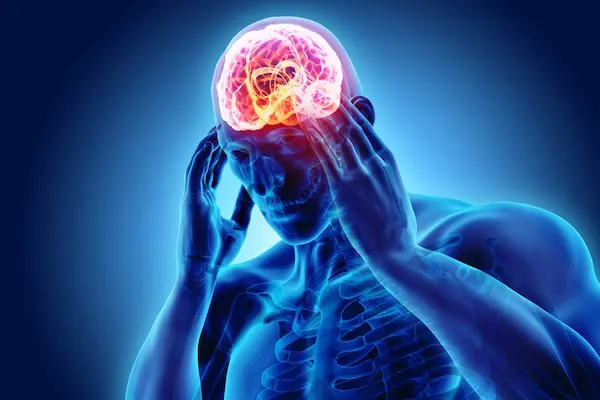
This blog explores the benefits of Pinealon peptide for brain health and cognitive function. It highlights its role in protecting neurons, reducing oxidative stress, and supporting learning and memory. The blog also examines Pinealon’s synergy with peptides like Semax and Selank, offering insights into advanced neuroprotective strategies and cognitive resilience research.

This blog explores how Pinealon peptide reduces oxidative stress and supports longevity by enhancing cellular stability and resilience. It highlights Pinealon’s role in antioxidant activity, mitochondrial function, and brain cell longevity. The blog also examines its synergy with peptides like DSIP and Epitalon, offering insights into coordinated pathways for healthier aging and cellular performance.
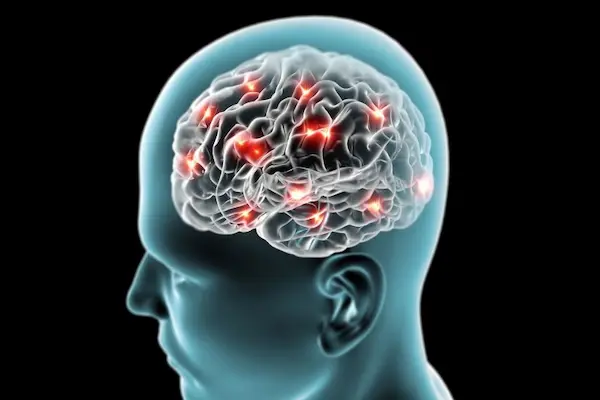
This blog explores the best cognitive peptides, including P-21, Semax, and Selank, and their potential roles in enhancing memory, focus, and emotional balance. It delves into their mechanisms, such as boosting BDNF, reducing oxidative stress, and modulating neurotransmitters, while highlighting their neuroprotective effects and research applications in cognitive health and resilience.
Excellent Customer Support
Value For Money
99% Pure Guaranteed
World Wide Shipping
ALL CONTENT AND PRODUCT INFORMATION AVAILABLE ON THIS WEBSITE IS FOR EDUCATIONAL PURPOSES ONLY.
DISCLAIMER: These products are intended solely as a research chemical only. This classification allows for their use only for {name} research development and laboratory studies. The information available on our Peptide Works website: https://peptide-works.com/ is provided for educational purposes only. These products are not for human or animal use or consumption in any manner. Handling of these products should be limited to suitably qualified professionals. They are not to be classified as a drug, food, cosmetic, or medicinal product and must not be mislabelled or used as such.