

PROMO!
First order? Get 10% OFF with this code: 1storder


Written by

Scientific research highlights Pinealon peptide benefits in preclinical models supporting brain health and cognitive function. This small synthetic tripeptide helps protect neurons, improve cellular resilience and reduce oxidative stress in animal and cell-based studies. Research also suggests improved neuronal survival and activation of intracellular pathways involved in learning, memory and overall cognitive performance.
Pinealon is often studied alongside peptides such as Semax and Selank, which also demonstrate promising effects on neuronal signaling and cognitive processes. By supporting neuronal health and cognitive resilience, Pinealon has become an important research tool for studying neuroprotection, memory enhancement, and the cellular mechanisms involved in brain function.
These cellular and molecular mechanisms help explain how Pinealon interacts with neurons and supports cognitive processes in preclinical research models.
Explore Pinealon from Peptide Works, a research peptide that supports neuronal resilience, cognitive function, and brain health in preclinical studies.

Pinealon’s effects go beyond basic neuroprotection and include gene‑level regulation. As the EDR peptide, it interacts with the neuronal genome to help normalize protein synthesis. This epigenetic‑like regulation helps maintain signaling‑pathway stability even during metabolic challenges.
Pinealon also affects intracellular pathways such as MAPK/ERK, acting as a key regulator that helps coordinate antioxidant defenses, metabolic activity and synaptic signaling. In animal studies, Pinealon treatment has been linked to improved spatial orientation and learning ability, along with reduced markers of neuronal damage. These cellular‑level effects make Pinealon a useful research tool for studying cognitive resilience and the structural support of neurons.
Discover Semax from Peptide Works, a synthetic peptide that enhances BDNF expression, memory formation and attention in lab research.
Research highlights Pinealon’s role in maintaining dendritic spine density, which is critical for functional synaptic connections. By preserving these junctions, the peptide may reduce synaptotoxicity and help protect against the thinning of neural connections often observed in neurodegenerative models.
In animal studies, Pinealon improved the density and morphology of dendritic spines, enabling neurons to communicate more efficiently, even under stress. These structural changes help support learning processes and cognitive adaptability by reinforcing the brain’s physical architecture for memory and information processing.
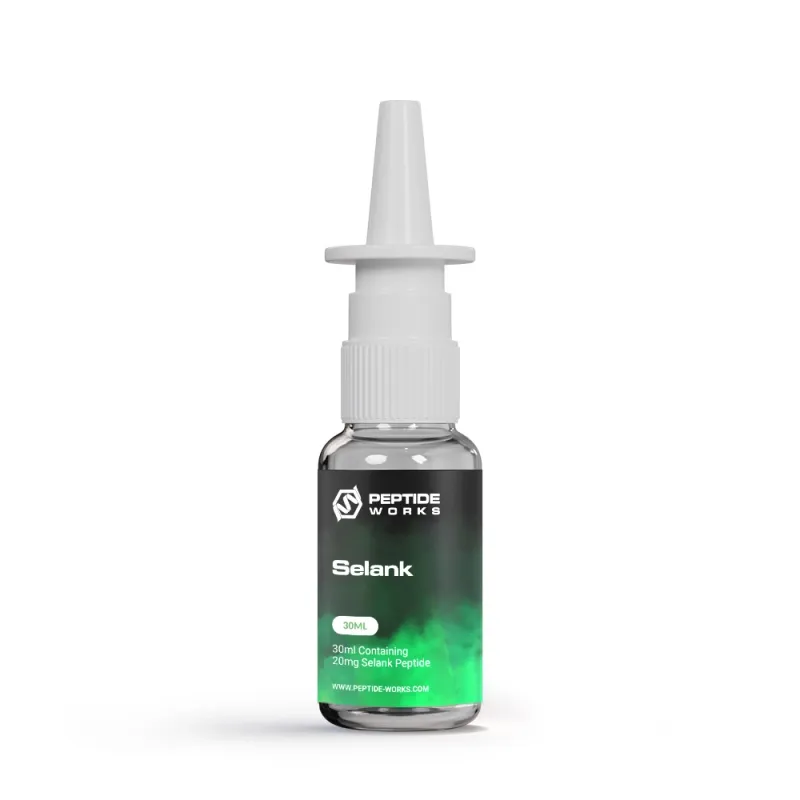
Checkout Selank from Peptide Works, a research peptide that regulates stress, supports cognitive stability, and modulates GABA signaling in preclinical studies.
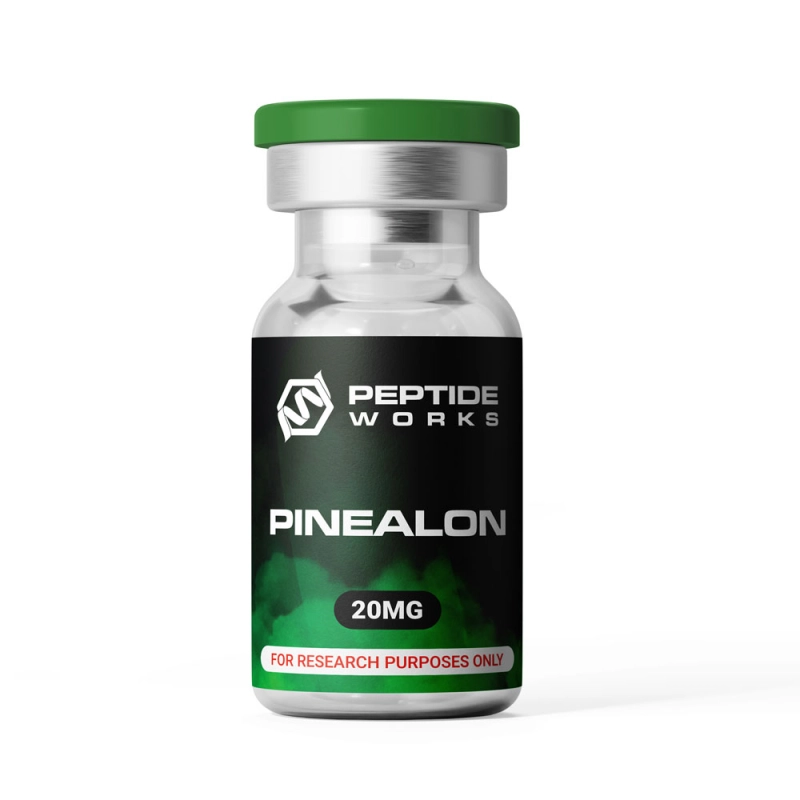
Pinealon may help strengthen neurons by reducing oxidative stress and supporting the cell’s internal antioxidant defenses. Research suggests that Pinealon lowers reactive oxygen species (ROS) levels and enhances neuronal resistance to oxidative damage. These protective effects help reduce damage to key cellular components, including DNA, proteins, and membranes, which are particularly vulnerable during metabolic stress.
Laboratory studies also indicate that Pinealon influences MAPK/ERK1/2 signaling pathways involved in stress response and neuronal survival. By reducing oxidative stress and regulating intracellular signaling, Pinealon may help limit stress induced apoptosis. These molecular effects support neuronal survival and help maintain the structural stability needed for learning and memory under challenging conditions.
In stress‑based models, Pinealon improved spatial learning and memory performance. Research shows that stress disrupts memory retrieval and hippocampal function, whereas pinealon helps maintain neuronal stability and cognitive performance under stress.
At the molecular level, Pinealon influences stress‑responsive pathways such as MAPK/ERK and supports synaptic plasticity. These effects help neurons retain functional connectivity during stress, allowing learning and memory processes to continue efficiently. These behavioral and cellular findings highlight pinealon peptide benefits in preserving cognitive performance under challenging conditions.
As a bioregulator, Pinealon offers a targeted approach to age‑related cognitive decline. Research suggests it supports mitochondrial function, reduces oxidative stress‑related cellular damage and helps maintain synaptic integrity, contributing to long‑term neuronal resilience.
In studies with older animals, Pinealon improved memory retention, spatial orientation and learning ability, suggesting it may help counteract age‑related cognitive decline. These effects help preserve both the structural and functional health of the brain, supporting sustained cognitive performance over time.
While Pinealon peptide benefits provide the genomic foundation for neuronal health, other research peptides play complementary roles. Semax targets BDNF, promoting neuronal growth and repair, while Selank influences GABA signaling, supporting stress regulation and focus.
By ensuring the cell is structurally and genetically capable of responding to these growth signals, Pinealon acts synergistically with Semax and Selank. Together, they support neuronal resilience, synaptic plasticity and cognitive performance, offering a comprehensive model for studying brain health, learning and memory.
Research continues to explore Pinealon peptide benefits for cognitive performance and long-term brain health. Early laboratory findings suggest that Pinealon may support learning, memory formation and neuronal stability, particularly in conditions associated with stress, aging and neurodegenerative processes. Researchers are also investigating how Pinealon influences molecular and cellular pathways involved in synaptic plasticity, which may help maintain cognitive function as the brain ages.
When studied alongside complementary peptides such as Semax and Selank, Pinealon contributes to broader neuroprotective research strategies. This combined approach offers potential insights into supporting brain health and cognitive performance. As research advances, future studies may further define how Pinealon peptide benefits contribute to more targeted strategies for maintaining cognitive resilience over time.
All products discussed are supplied for research purposes only and are not intended for human use.
(1) Arutjunyan A, Kozina L, Stvolinskiy S, Bulygina Y, et al. Pinealon protects the rat offspring from prenatal hyperhomocysteinemia. Int J Clin Exp Med. 2012;5(2):179-85.
(2) Khavinson V, Linkova N, Kozhevnikova E, Trofimova S. EDR Peptide: Possible Mechanism of Gene Expression and Protein Synthesis Regulation Involved in the Pathogenesis of Alzheimer’s Disease. Molecules. 2020 Dec 31;26(1):159.
(3) Kasian A, Kolomin T, Andreeva L, Bondarenko E, et al. Peptide Selank Enhances the Effect of Diazepam in Reducing Anxiety in Unpredictable Chronic Mild Stress Conditions in Rats. Behav Neurol. 2017;2017:5091027.
(4) Medvedeva EV, Dmitrieva VG, Povarova OV, Limborska SA, et al. The peptide semax affects the expression of genes related to the immune and vascular systems in rat brain focal ischemia: genome-wide transcriptional analysis. BMC Genomics. 2014 Mar 24;15:228.
ALL CONTENT AND PRODUCT INFORMATION AVAILABLE ON THIS WEBSITE IS FOR EDUCATIONAL PURPOSES ONLY.
DISCLAIMER: These products are intended solely as a research chemical only. This classification allows for their use only for research development and laboratory studies. The information available on our Peptide Works website: https://peptide-works.com/ is provided for educational purposes only. These products are not for human or animal use or consumption in any manner. Handling of these products should be limited to suitably qualified professionals. They are not to be classified as a drug, food, cosmetic, or medicinal product and must not be mislabelled or used as such.
Peptide Works
Related Articles

How can ARA-290 Peptide Help Diabetic Patients?
Diabetes affects millions of people around the world and leads to serious health problems. Research shows that the ARA-290 peptide

Can AICAR Peptide Improve Endurance?
AICAR peptide has shown promising results for improving endurance capacity in studies. Research shows that AICAR activates AMPK, increasing glucose

Enhancing Energy with NAD+ Supplements
Energy is the driving force behind focus, movement, and recovery. When cells have less energy to work with, the body