
PROMO!
First order? Get 10% OFF with this code: 1storder
Our Product Categories


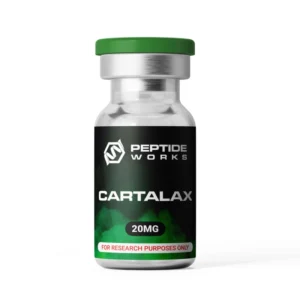
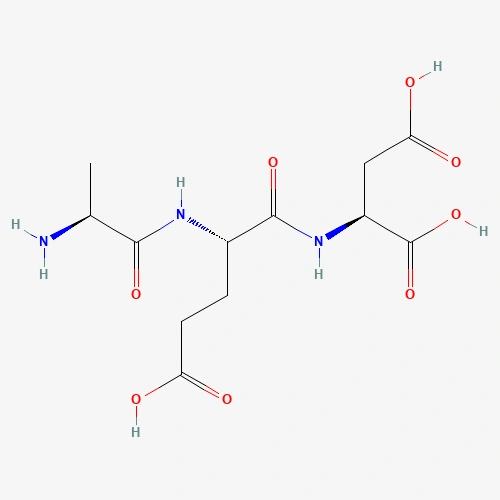
Cartalax is a synthetic peptide made of three amino acids: alanine, glutamic acid, and aspartic acid. Scientists are studying its ability to support cartilage health and repair. Its structure mimics a specific part of type XI collagen, a key building block of healthy cartilage.
Cartalax functions as a tissue-specific peptide bioregulator designed to target chondrocytes, the primary cells found in cartilage. Research shows that it modulates key cellular processes by influencing signaling pathways and regulating genes involved in cartilage maintenance. It also affects how the extracellular matrix is built, which is why it has become a significant area of interest in studies regarding tissue engineering and degenerative joint diseases.
Peptide Sequence (IUPAC Condensed): H-Ala-Glu-Asp-OH
Molecular Formula: C12H19N3O8
Molecular Weight: 333.29 g/mol
Synonyms: alanyl-glutamyl-aspartic acid, AED, T-31
Cartalax acts as a tissue-specific peptide bioregulator, primarily targeting cartilage health and repair. Its mechanism centers on modulating chondrocyte function by influencing key intracellular signaling pathways, including NF-κB, MAPK, TGF-β, PI3K/Akt, and Wnt/β-catenin. Through these pathways, Cartalax regulates gene expression critical for cartilage integrity.
It upregulates genes responsible for the synthesis of essential extracellular matrix components such as type II collagen and proteoglycans, while downregulating genes linked to inflammatory cascades and degenerative changes, including matrix metalloproteinases (MMPs) and pro-inflammatory cytokines.
This dual modulation shifts the cellular environment from a state of breakdown (catabolic) to one of building up (anabolic). By improving the survival of cartilage cells (chondrocytes) under stress and reducing programmed cell death (apoptosis), Cartalax helps maintain cartilage homeostasis. This is the natural balance between the creation and breakdown of the cartilage matrix. These effects make Cartalax a promising candidate for research focused on preserving cartilage.
Buy Cartalax Peptide Vial from Peptide Works. This lyophilized powder is over 99% pure and supplied in 20 mg vials, sealed in sterile glass to maintain quality and stability.
Cartilage repair and regeneration: Cartilage is a critical connective tissue that cushions joints, reduces friction, and provides structural support via a gel-like matrix of collagen, elastin, and proteoglycans. However, its avascular nature severely limits intrinsic repair [1].
Cartalax addresses this limited regenerative capacity by functioning as a bioactive peptide that modulates key chondrogenic signalling pathways, including WNT, ERK-p38, and Smad 1/5/8 [2]. Through this modulation, Cartalax upregulates the expression of essential differentiation proteins such as COL2, SOX9, and ACAN [3].
In cartilage tissue engineering, Cartalax shows promise as a functional molecule and scaffold component, enhancing repair mechanisms and promoting effective chondrogenesis where natural healing processes fail.
Supports the aging process: Cartalax shows strong anti-aging effects by targeting key cellular processes linked to aging [4]. In skin cells, it reduces cell death (apoptosis) and blocks the production of MMP-9, an enzyme that increases with age and breaks down tissues. At the same time, it boosts markers of cell growth (Ki-67 and CD98hc), helping maintain healthy tissue structure and balance [5].
In conditions like osteoarthritis, Cartalax regulates harmful inflammatory signals in cartilage cells, protecting them from damage. By improving cytokine balance and supporting proteins like sirtuins, it helps preserve cartilage and shows promise in research on aging and tissue health [6].
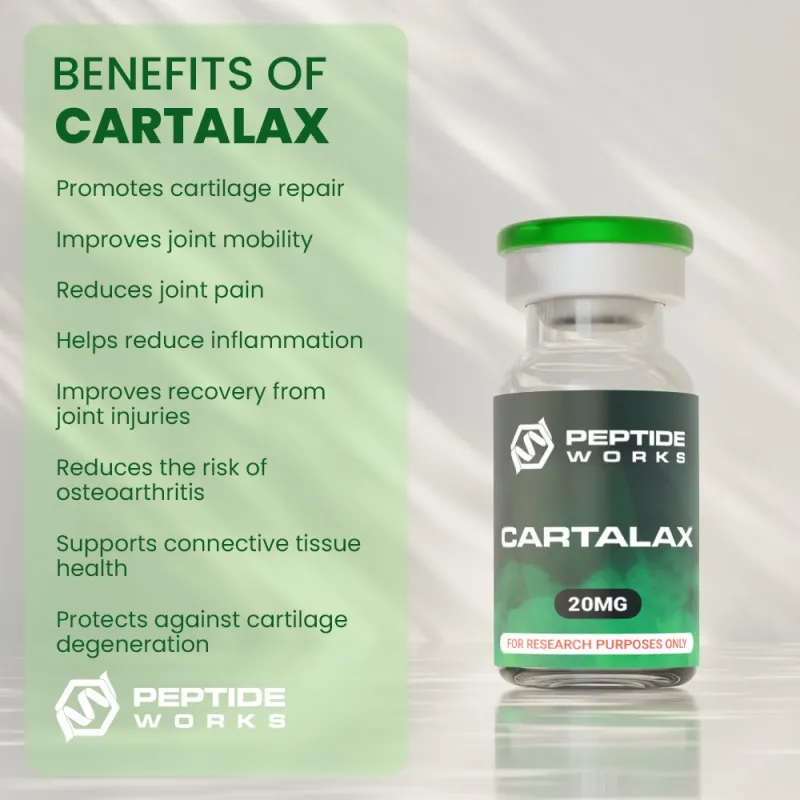
Connective tissue and joint health: Cartalax acts as a specialised peptide complex that modulates cellular pathways critical for the maintenance of cartilage and integrity of joint surfaces. Unlike conventional joint supplements, it addresses cellular senescence and degeneration to enhance musculoskeletal resilience.
By stimulating collagen synthesis, Cartalax supports the regeneration of connective tissue structures and maintains connective tissue integrity under physical stress. This targeted bioregulation facilitates joint preservation, the effective recovery of joints, and mobility enhancement [2].
Reduces inflammation: Cartalax studies suggest it has strong anti-inflammatory effects, particularly relevant to osteoarthritis (OA). It works as a bioactive molecule by influencing inflammatory pathways and interacting with growth factor cytokines and components of the extracellular matrix.
Research shows that Cartalax can reduce the levels of key pro-inflammatory cytokines like IL-1β and TNF-α, which are known to drive cartilage breakdown. By blocking these harmful signals, it may help ease OA symptoms and slow the progression of the disease. Additionally, in tissue engineering, it functions as a supportive scaffold, aiding cartilage repair while managing inflammation in the surrounding area [7].
Promotes gene expression: Cartalax, a small peptide, can enter cells and their nuclei, where it influences how genes are turned on or off (epigenetic regulation). Research shows that it affects important genes involved in cell repair, aging, and growth, such as IGF1 (growth factor), TERT (linked to cell lifespan), and others.
For example, Cartalax can boost IGF1 levels by 3.5–5.6 times and increase TERT levels up to eightfold in aging cells [8]. Its effects on other genes, like FOXO1 and TNKS2, depend on the cell’s aging state [9]. These abilities make the AED peptide a promising tool for guiding stem cell repair and creating advanced cell therapies.
[1] Liu Q, Jia Z, Duan L, Xiong J, Wang D, Ding Y. Functional peptides for cartilage repair and regeneration. American Journal of Translational Research, 2018 Feb 15, Volume 10 (Issue 2), Pages 501-510.
[2] Liao HJ, Chen HT, Chang CH. Peptides for Targeting Chondrogenic Induction and Cartilage Regeneration in Osteoarthritis. Cartilage. 2024 Sep 18:19476035241276406.
[3] Linkova N, Khavinson V, Diatlova A, Myakisheva S, Ryzhak G. Peptide Regulation of Chondrogenic Stem Cell Differentiation. Int J Mol Sci. 2023 May 8, Volume 24 (Issue 9), Page 8415.
[4] Khavinson VK, Linkova NS, Diatlova AS, Gutop EO, Orlova OA. [Short peptides: regulation of skin function during aging.]. Adv Gerontol. 2020, Volume 33 (Issue 1), Pages 46-54.
[5] Lin’kova, N.S., Drobintseva, A.O., Orlova, O.A. et al. Peptide Regulation of Skin Fibroblast Functions during Their Aging In Vitro . Bull Exp Biol Med 161, 175–178 (2016).
[6] Myakisheva SN, Linkova NS, Kozhevnikova EO, Ryzhak GA. [Chondrocytes secretory phenotype associated with aging: role in the pathogenesis of osteoarthritis and prospects for peptide bioregulation.]. Adv Gerontol. 2023, Volume 36 (Issue 3), Pages 313-323.
[7] Maouche A, Boumediene K, Baugé C. Bioactive Compounds in Osteoarthritis: Molecular Mechanisms and Therapeutic Roles. Int J Mol Sci. 2024 Oct 30, Volume 25 (Issue 21), Page 11656.
[8] Khavinson, V., Linkova, N., Diatlova, A. et al. Peptide Regulation of Cell Differentiation. Stem Cell Rev and Rep 16, Pages 118–125 (2020).
[9] Ashapkin, V., Khavinson, V., Shilovsky, G. et al. Gene expression in human mesenchymal stem cell aging cultures: modulation by short peptides. Mol Biol Rep 47, Pages 4323–4329 (2020).
The answers to the most frequently asked questions about the peptide.
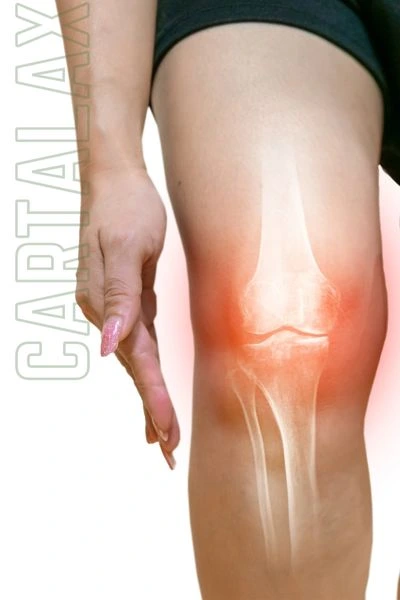
Cartalax shows potential in supporting cartilage repair, which could benefit conditions like osteoarthritis. However, more clinical studies are needed to confirm its effectiveness in treating such conditions.
Cartalax is generally considered safe and well-tolerated based on available research. Studies have not reported any significant adverse effects when used appropriately. However, as with any peptide, individual reactions may vary, and potential side effects could include mild allergic reactions, such as skin irritation or sensitivity, depending on the method of administration. Given the limited human studies on Cartalax, its long-term safety profile and potential side effects are not yet fully understood. Because of this, the United States FDA has not yet approved Cartalax for human or animal consumption. Further research and clinical studies are needed before approval is given.
While Cartalax may support cartilage repair and regeneration, its direct effects on joint pain relief are not fully established. It may help improve joint health over time by enhancing cartilage function.
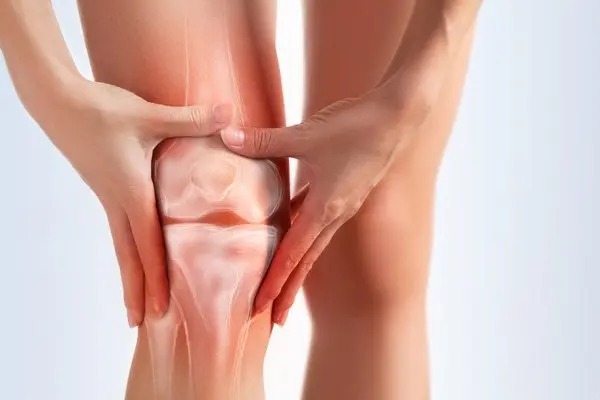
Runner’s knee, also known as patellofemoral pain syndrome, is pain around the kneecap. It’s often caused by overuse, misalignment, or cartilage damage.
Cartalax is designed to support cartilage health, which may indirectly help with runner’s knee. Studies show that it supports cartilage repair by regulating protein synthesis in cartilage cells. This could improve joint function and reduce pain. For aging runners, it may also help maintain cartilage, reduce inflammation, and enhance overall knee joint health, leading to better mobility.
Although Cartalax has the potential to help support healthy cartilage, it isn’t a direct cure for runner’s knee. To get the best results, it should be combined with proven treatments like physical therapy, strength training, and supportive shoes.
This blog explores the groundbreaking potential of Cartalax Peptide in cartilage health research. It highlights its role in regulating cellular activity, maintaining extracellular matrix stability, and supporting cartilage integrity. Additionally, it compares Cartalax with peptides like AOD-9604 and BPC-157, showcasing their unique contributions to cartilage regeneration, tissue repair, and structural maintenance.
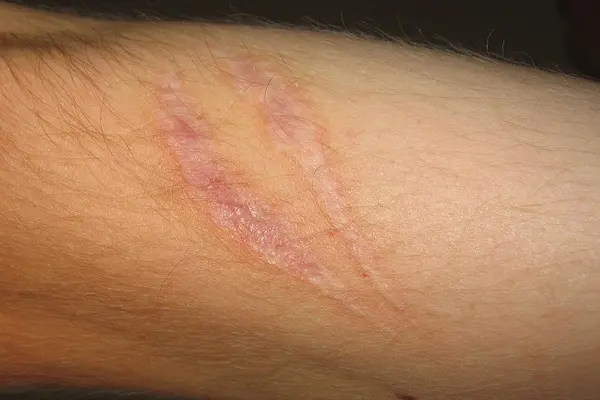
This blog explores Thymalin, a peptide from the thymus gland, and its potential in tissue repair. We'll discuss how Thymalin supports immune regulation, cellular balance, and recovery, while comparing it to other peptides like TB-500, BPC-157, and Hexarelin. Each peptide contributes uniquely to tissue repair through functions like immune support, blood vessel growth, cell migration, and hormonal recovery. By examining how these peptides work, we’ll provide insights into their combined potential for advancing tissue regeneration research.

This blog highlights the benefits of Cartalax Peptide in supporting joint and tissue health during aging. It explores its role in regulating cartilage signaling, maintaining extracellular matrix stability, and managing tissue stress. The blog also compares Cartalax with peptides like BPC-157 and TB-500, emphasizing their unique contributions to healthy aging research.
Excellent Customer Support
Value For Money
99% Pure Guaranteed
World Wide Shipping
ALL CONTENT AND PRODUCT INFORMATION AVAILABLE ON THIS WEBSITE IS FOR EDUCATIONAL PURPOSES ONLY.
DISCLAIMER: These products are intended solely as a research chemical only. This classification allows for their use only for research development and laboratory studies. The information available on our Peptide Works website: https://peptide-works.com/ is provided for educational purposes only. These products are not for human or animal use or consumption in any manner. Handling of these products should be limited to suitably qualified professionals. They are not to be classified as a drug, food, cosmetic, or medicinal product and must not be mislabelled or used as such.