

Is 5-Amino-1MQ Effective For Targeting Specific Types of Fat, Like Visceral Fat?
Visceral belly fat remains one of the hardest fat types to influence because it forms deep inside the abdomen and surrounds vital organs. Research links
PROMO!
First order? Get 10% OFF with this code: 1storder
Post Category


Visceral belly fat remains one of the hardest fat types to influence because it forms deep inside the abdomen and surrounds vital organs. Research links

Tesofensine is a research compound studied for its impact on weight management and appetite control. Unlike standard appetite control capsules, Tesofensine works on the brain’s

Weight gain often results from a mix of factors slow metabolism, appetite changes and difficulty breaking down stored fat. Standard approaches like calorie restriction and

Belly fat is one of the most stubborn areas of fat storage. It has become a major focus in scientific studies. Researchers are especially interested

Fat loss is one of the most studied areas in metabolic research, and peptides are becoming central to that discussion. Among them, the MOTS-C Peptide

Perimenopause often brings weight gain, fatigue, and poor sleep, which leads many to explore compounds studied for their role in hormone balance. One peptide that

LR3 peptide shows promising fat loss effects in research studies through enhanced lipolysis mechanisms. This modified IGF-1 variant demonstrates superior fat breakdown compared to standard

The 176-191 Fragment has gained significant attention in weight loss research studies. This synthetic peptide derives from human growth hormone amino acids 176-191. Research indicates

Fat burning peptides are gaining attention in research for their ability to burn fat, support muscle growth, and improve body recomposition. These small chains of
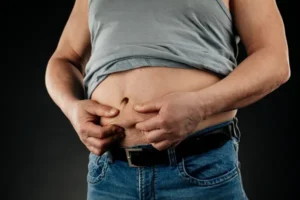
Fat loss peptides show promising results in scientific investigations. These synthetic compounds target specific biological pathways involved in metabolism and fat breakdown. This supports metabolic