
PROMO!
First order? Get 10% OFF with this code: 1storder
Our Product Categories


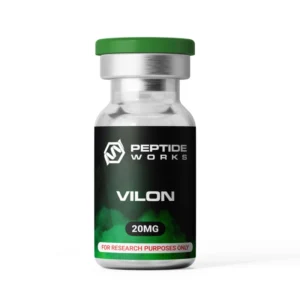
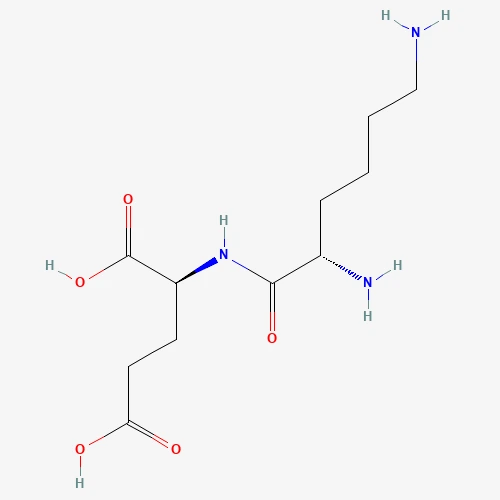
Vilon peptide, also known as Lysylglutamic Acid, is a dipeptide composed of the amino acids lysine and glutamic acid. It is derived from thymic extracts, which are associated with the thymus gland, a key organ in the immune system.
Vilon is recognized for its role in research related to immune cell proliferation, gene expression modulation, and chromatin reactivation, particularly in the context of aging.
Peptide Sequence (IUPAC Condensed): H-Lys-Glu-OH
Molecular Formula: C11H21N3O5
Molecular Weight: 275.30 g/mol
Synonyms: Lysylglutamic Acid
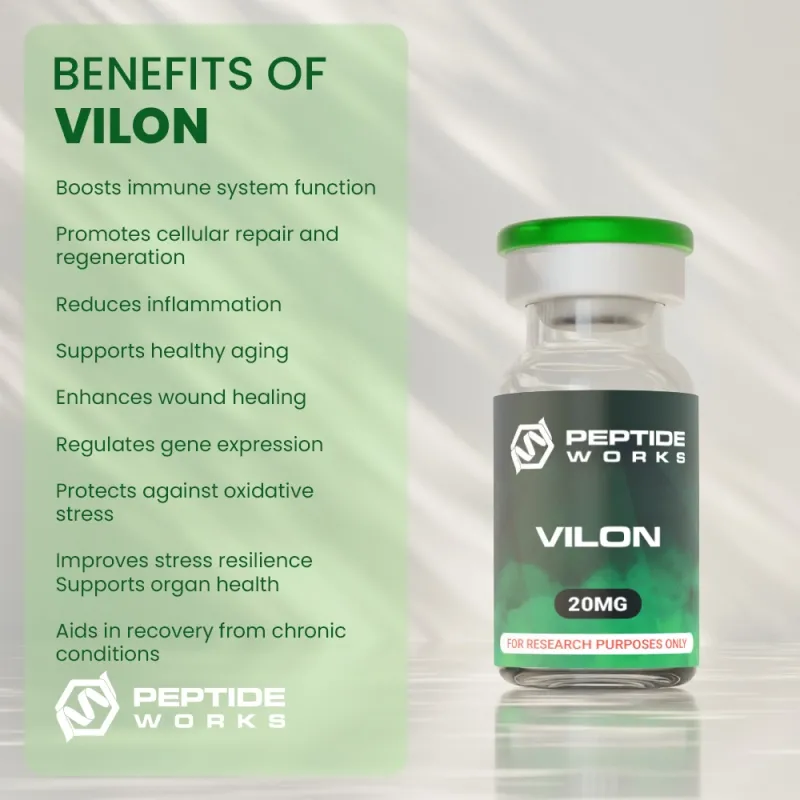
Vilon peptide functions through several intricate mechanisms, primarily focusing on cellular and epigenetic processes. It is believed to modulate gene expression by interacting with chromatin structures and regulatory DNA sequences, thereby reactivating genes that have been silenced by aging or chronic inflammation. Additionally, Vilon influences chromatin regulation, helping to restore proper gene function, a critical factor in maintaining cellular health and addressing age-related decline.
Research also indicates that Vilon may interact with nucleolus organizer regions (NORs), which play a vital role in ribosomal RNA synthesis. This interaction supports protein production and cellular repair processes. Furthermore, Vilon has demonstrated the ability to stimulate the immune system by promoting immune cell proliferation and differentiation, enhancing the body’s capacity to respond to infections and repair tissue damage. These combined actions position Vilon as a promising bioregulatory agent in scientific research, particularly in aging, immune regulation, and tissue regeneration.
Buy Vilon Peptide Vial for laboratory use. Guaranteed to have 99% purity, it is available in 20mg sterile glass vials from Peptide Works.
Immune Modulation and Thymus Function: Vilon research shows that it has thymus-like effects, meaning it supports the development and activation of immune cells, including T-helper cells and T-cell proliferation. Studies suggest the peptide helps regulate the immune system and may prevent age-related diseases and cancer (1).
For example, one study on rats exposed to a bladder carcinogen found that Vilon treatment reduced tumor incidence to 56%, compared to 75.5% in the control group, and also decreased preneoplastic changes. Long-term studies have also shown it can extend lifespan and slow cancer development in lab animals (2). These findings highlight Vilon’s potential to adjust the immune system and prevent disease through its thymus-like actions.
Anti-Aging and Chromatin Regulation: Research indicates that Vilon may counteract aging by modulating chromatin structure. Aging can cause chromatin to tighten, which reduces gene expression. However, the peptide Vilon has been shown to reactivate chromatin in the cultured lymphocytes (a type of white blood cell) of older adults aged 75–88. It works by increasing the number of active DNA regions, which helps restore the cell’s synthetic processes (3).
Studies indicate that Vilon loosens up tightly packed chromatin, releasing previously repressed genes and allowing them to function again. Although it does not affect pericentromeric heterochromatin, Vilon and other bioregulators such as Epitalon and Livagen have extended lifespan and inhibited age-related diseases in animal studies. These results underscore Vilon’s role in chromatin regulation and anti-aging mechanisms (4).
Kidney and Vascular Effects: Scientific studies on Vilon show kidney and vascular benefits in animal models of chronic renal failure. Injecting Vilon under the skin (subcutaneous) significantly reduced levels of TGF-β1, a cytokine linked to kidney fibrosis. It also lowered permeability in mesenteric microvessels, suggesting potential anti-inflammatory and vascular-stabilizing effects.
These results, observed within two months of disease onset, suggest that Vilon supports homeostasis in early stages of chronic renal failure. By modulating TGF-β1 and enhancing vascular integrity, Vilon may help manage inflammatory and fibrotic processes in renal and vascular diseases (5). Further research is needed to confirm these effects.
Stress Resistance and Neuroendocrine Effects: Vilon provides stress-resistance and neuroendocrine benefits in animal studies. In male Wistar rats, intraperitoneal Vilon increased behavioral resistance to emotional stress, as shown by improved open field behavior. It also reduced stress-related adrenal enlargement and shrinkage of the thymus, both markers of chronic stress.
Vilon lowered stress signaling in the brain by reducing the number of Fos-positive neurons in the paraventricular hypothalamus, particularly in stress-resistant rats. Vilon also raised blood plasma albumin levels, indicating better systemic homeostasis. These results suggest Vilon may enhance stress resilience and regulate neuroendocrine responses, supporting further research into its therapeutic potential for stress-related conditions (6).
Tissue Repair: Vilon peptide shows potential for supporting tissue repair and regeneration. Research findings in aged rats showed that it improved the activity of important enzymes in the small intestine, helping strengthen its protective and digestive functions (7).
In lab studies, Vilon also reduced the harmful effects of a cancer drug (cyclophosphamide) on tissue growth, promoting healthier development. These findings suggest Vilon could play a potential role in improving tissue health and repair, especially in aging or damaged systems, but it should be carefully used alongside other treatments like cancer drugs (8).
(1) Khavinson, V.K., Kuznik, B.I. & Ryzhak, G.A. Peptide bioregulators: A new class of geroprotectors. Message 1: Results of experimental studies. Adv Gerontol Volume 3, Pages 225–235 (2013).
(2) Pliss GB, Mel’nikov AS, Malinin VV, Khavinson VK. Inhibitory effect of peptide vilon on the development of induced rat urinary bladder tumors in rats. Bull Exp Biol Med. 2001 Jun, Volume 131 (Issue 6), Pages 558-60.
(3) Lezhava T, Monaselidze J, Kadotani T, Dvalishvili N, Buadze T. Anti-aging peptide bioregulators induce reactivation of chromatin. Georgian Med News. 2006 Apr;(Issue 133), Volume 111-5.
(4) Gavrisheva NA, Malinin VV, Ses TP, Kozlov KL, Panchenko AV, Titkov AY. Effect of peptide Vilon on the content of transforming growth factor-beta and permeability of microvessels during experimental chronic renal failure. Bull Exp Biol Med. 2005 Jan, Volume 139 (Issue 1), Pages 24-6.
(5) Koplik EV, Meshcheriakov AF, Pertsov SS, Umriukhin PE, Sudakov KV, Khavinson VKh. Vliianie dipeptida vilona na ustoĭchivost’ krys k émotsional’nomu stressu (Effect of dipeptide vilon on emotional stress resistance in rats). Ross Fiziol Zh Im I M Sechenova. 2002 Nov, Volume 88 (Issue 11), Pages 1440-52.
(6) Avolio F, Martinotti S, Khavinson VK, Esposito JE, Giambuzzi G, Marino A, Mironova E, Pulcini R, Robuffo I, Bologna G, et al. Peptides Regulating Proliferative Activity and Inflammatory Pathways in the Monocyte/Macrophage THP-1 Cell Line. International Journal of Molecular Sciences. 2022, Volume 23 (Issue 7), Page 3607.
(7) Khavinson VKh, Timofeeva NM, Malinin VV, Gordova LA, Nikitina AA. Effect of vilon and epithalon on activity of enzymes in epithelial and subepithelial layers in small intestine of old rats. Bull Exp Biol Med. 2002 Dec, Volume 134 (Issue 6), Pages 562-4.
(8) Barykina OP, Iuzhakov VV, Chalisova NI, Kvetnoĭ IM, Konovalov SS. Sochetannoe vliianie vilona i tsiklofosfana na transplanty opukholeĭ i éksplantaty limfoidnoĭ tkani mysheĭ i krys raznogo vozrasta (Combined effect of vilon and cyclophosphane on tumor transplants and lymphoid tissue explants in mice and rats of various age). Adv Gerontol. 2003, Volume 12, Pages 128-31.
The answers to the most frequently asked questions about the peptide.

Lyophilized Vilon is usually stored refrigerated in a cool, dry place, and reconstituted solution is often kept refrigerated and used within a defined stability window as specified by the manufacturer.
Studies suggest that short synthetic peptides, including Vilon, are generally well-tolerated and effective in modulating immune and neuroendocrine functions without significant adverse effects. Further research is needed to fully understand its safety profile, particularly in long-term and human clinical applications. reference
The legality of buying Vilon peptide depends on how you plan to use it. Vilon is not approved by the FDA for medical use, which makes it an unapproved new drug. Legally, these types of peptides can only be used for research purposes or in clinical trials. The FDA strictly regulates the sale of unapproved peptides due to concerns about their safety, potential impurities, and the lack of data on their effects in humans.
Studies show that the Vilon peptide has anti-inflammatory properties. When human monocytic cells (THP-1) were exposed to inflammatory substances like lipopolysaccharides (LPS), Vilon reduced the production of pro-inflammatory cytokines, including TNF-α and IL-6. It also adjusted cellular signaling pathways involved in regulating inflammation, such as STAT1 activation. These results suggest that Vilon can act as an anti-inflammatory agent by weakening inflammatory responses and encouraging immune tolerance.
While specific research on stacking Vilon peptide is limited, its immune-modulating and anti-inflammatory properties suggest potential compatibility with peptides that target similar or complementary functions, such as immune regulation, anti-aging, or inflammation. Examples include thymic peptides like Thymogen or Epitalon. However, safety and efficacy should always be assessed on a case-by-case basis, and professional guidance is essential to ensure proper compatibility and avoid potential interactions.

This blog explores the role of Vilon Peptide in organ-focused research, highlighting its impacts on cardiac, renal, and gastrointestinal systems. It examines how Vilon supports cellular balance, reduces fibrosis, and enhances tissue resilience. The blog also delves into its mechanisms, including gene regulation, immune signaling, and enzyme activity, offering insights into organ health.

This blog explores Vilon peptide's role in DNA repair and cellular resilience. It highlights how Vilon influences chromatin structure, gene expression, and stress response pathways to maintain genome stability. The blog also compares Vilon with NAD⁺ and Thymosin Alpha‑1, showcasing their complementary roles in supporting cellular health, immune function, and recovery.

This blog explores the immunity peptides, short chains of amino acids that play a vital role in immune system regulation. It highlights key peptides like Thymosin Alpha-1, LL-37, and VIP, explaining their unique contributions to immune defense, inflammation control, and balance. Peptide Works supports global research by providing high-quality, research-grade compounds to advance understanding of immune health and resilience.
Excellent Customer Support
Value For Money
99% Pure Guaranteed
World Wide Shipping
ALL CONTENT AND PRODUCT INFORMATION AVAILABLE ON THIS WEBSITE IS FOR EDUCATIONAL PURPOSES ONLY.
DISCLAIMER: These products are intended solely as a research chemical only. This classification allows for their use only for research development and laboratory studies. The information available on our Peptide Works website: https://peptide-works.com/ is provided for educational purposes only. These products are not for human or animal use or consumption in any manner. Handling of these products should be limited to suitably qualified professionals. They are not to be classified as a drug, food, cosmetic, or medicinal product and must not be mislabelled or used as such.