
PROMO!
First order? Get 10% OFF with this code: 1storder


Written by

From fighting infections to keeping the body in balance, the immune system never stops working, and scientists never stop uncovering how it functions. One area drawing growing interest is immunity peptides, short chains of amino acids that may hold powerful clues about how the immune system reacts, adapts, and protects against constant threats while supporting overall immune function.
At Peptide Works, we make it easier for laboratories and research teams worldwide to explore these immunomodulatory peptides. By offering a trusted source of research-grade compounds, we help scientists study how immunity peptides could play a vital role in strengthening natural defenses, improving balance in immune pathways, and opening doors to new findings in health science.
To see why these compounds are gaining interest, it’s useful to begin with how they function inside the immune system.
Explore Thymosin Alpha-1 from Peptide Works, an immunity peptide studied for supporting T cell activation and balanced adaptive immune responses.
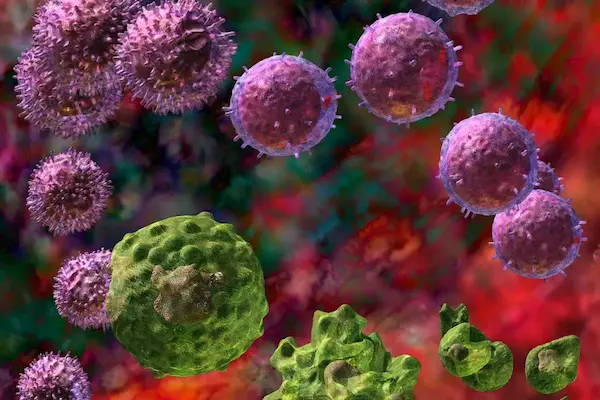
Immunity peptides connect with immune cells and guide their responses to challenges. In research, they bind to the cell surfaces of T cells, macrophages, and dendritic cells, triggering signal transduction, cytokine signaling, and cytokine production that shape immune defense activity. Depending on the context, these peptides modulate the immune response or help regulate responses. Some also act as natural host defense peptides that support innate immunity.
Researchers describe them as flexible tools for exploring balance in the immune system. In different lab studies, they may show antimicrobial effects, reduce unwanted inflammation, or encourage faster recovery signals.
Because of these wide-ranging roles, researchers have highlighted certain immunity peptides that stand out for their unique contributions.
In recent years, researchers have focused on a select group of peptides with strong potential for immune studies. These compounds stand out because each interacts with the immune system in a unique way:
Together, these immunity peptides give scientists valuable tools to explore how the immune system adapts and defends. The best way to see their value is by looking more closely at what each one contributes.
Discover LL-37 from Peptide Works, a natural host defense peptide known for its antimicrobial action and role in guiding balanced immune and inflammatory responses.
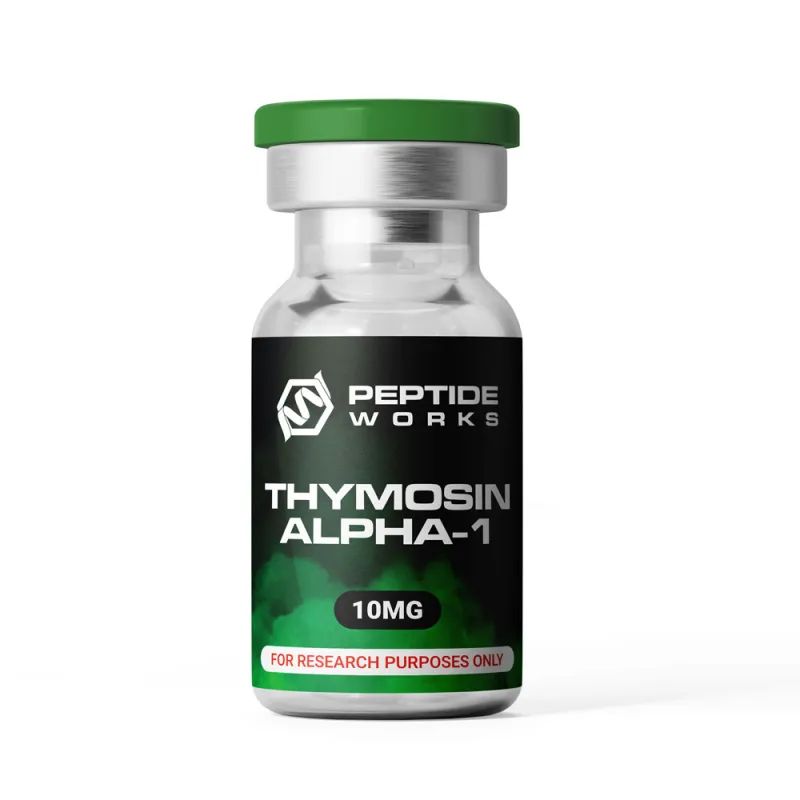
Thymosin Alpha-1 is one of the most studied immunity peptides for its immunomodulatory effects. Research shows it promotes T-cell maturation and differentiation, activates dendritic cells, enhances antigen presentation and modulates cytokine production. Together, these actions help regulate innate and adaptive immune responses.
Studies also show that Thymosin Alpha-1 may enhance immune responses in immunocompromised states while modulating excessive inflammatory responses. Because of these immunomodulatory effects, Thymosin Alpha-1 remains an important focus of research in infectious diseases, cancer, and autoimmune diseases.
Building on that adaptive role, another compound LL-37 is studied more for its antimicrobial power and influence on early immune defenses.
LL-37 is a natural host defense peptide that plays an important role in innate immunity. It shows direct antimicrobial activity by disrupting bacterial cell membranes and has activity against some viruses and fungi. This makes LL-37 an important component of the body’s first line of defense.
Beyond killing microbes, LL-37 also works as an immune modulator. It promotes the recruitment of immune cells, including neutrophils, monocytes, and T cells, to sites of infection. At the same time, it modulates cytokine production to help regulate inflammatory responses. These combined antimicrobial and immunomodulatory functions make LL-37 an important component of innate immune defense. Because of this, LL-37 is of research interest in several health conditions associated with inflammation and microbial imbalance.
While LL-37 emphasizes antimicrobial activity, VIP stands out among immunity peptides for its ability to regulate inflammation and keep immune activity from going too far.
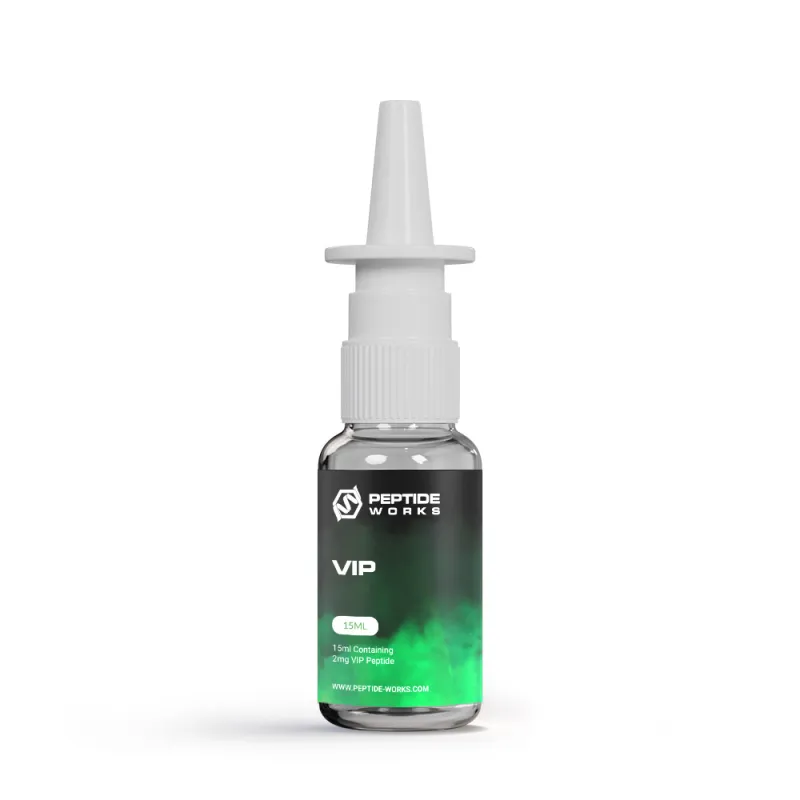
VIP (vasoactive intestinal peptide) modulates immunity by binding to VPAC1 and VPAC2 receptors on immune cells, including macrophages, dendritic cells and T cells. This signaling reduces pro-inflammatory cytokine production and promotes anti-inflammatory responses.
Studies show that VIP regulates innate and adaptive immunity by affecting immune cell activity. In macrophages and dendritic cells, VIP reduces inflammatory mediator production. In T cells, VIP influences regulatory T-cell responses and supports immune tolerance in studies.
Most evidence comes from laboratory and animal studies. Research shows that VIP regulates cytokine production and immune cell signaling to control inflammatory responses.
Beyond peptides like VIP, researchers also pay attention to essential nutrients such as Vitamin B12, which supports immune activity in different ways.
Explore VIP Peptide from Peptide Works, a neuropeptide that supports immune balance by calming excessive inflammation while maintaining protective defenses.
Vitamin B12 helps maintain immune balance by supporting normal cellular immune function. Studies in vitamin B12-deficient individuals show reduced lymphocyte numbers, altered CD8+ T-cell responses, and decreased natural killer (NK) cell activity. Research also found that methyl-B12 treatment improved some of these immune changes, suggesting that adequate B12 levels are important for normal immune cell function.
This shows that sufficient B12 levels are important for maintaining normal immune function. Research continues to investigate how B12 affects broader immune signaling and inflammatory processes.
Once these individual roles are clear, the natural question is how they compare to one another in supporting the immune system.
Shop Vitamin B12 from Peptide Works, an essential nutrient often studied for its contribution to healthy immune cell function and balanced inflammatory signaling.
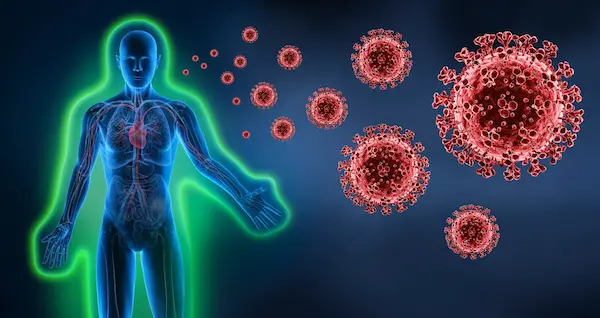
Each immunity peptide supports the immune system in a different way. Researchers compare them based on how they act on cells, signals, and balance:
| Compound | Main Immune Role | Research Focus |
| Thymosin Alpha-1 | Promotes T-cell maturation and differentiation, activates dendritic cells, and modulates immune responses | Adaptive immunity, immune regulation, immunocompromised states |
| LL-37 | Provides antimicrobial activity and modulates inflammatory responses | Innate immunity, host defense, cytokine regulation, wound healing |
| VIP | Modulates inflammatory responses and promotes regulatory T-cell responses | Immune homeostasis, immune tolerance |
| Vitamin B12 | Supports normal immune function and immune cell activity; deficiency is associated with altered immune responses | Immune regulation, vitamin B12 deficiency, immune cell function |
No single peptide is “best.” Instead, each one offers unique insight into immunity, from microbial defense to long-term regulation.
The study of immunity peptides is still unfolding, and the outlook is bright. These compounds continue to reveal new ways the immune system can be strengthened, guided, and balanced. As research expands, they may shape the future of how we understand infections, inflammation, and immune resilience.
At Peptide Works, we are dedicated to advancing high-quality research by providing high-quality peptides to laboratories and independent researchers worldwide. Our mission is to make exploration both accessible and reliable. With every study, immunity peptides bring science closer to deeper insights into how the body protects itself and open the path toward tomorrow’s breakthroughs in immune research.
All products discussed are supplied for research purposes only and are not intended for human use.
(1) Dominari A, Hathaway Iii D, Pandav K, Matos W, et al. Thymosin alpha 1: A comprehensive review of the literature. World J Virol. 2020 Dec 15;9(5):67-78.
(2) Tao N, Xu X, Ying Y, Hu S, etal. Thymosin α1 and Its Role in Viral Infectious Diseases: The Mechanism and Clinical Application. Molecules. 2023 Apr 17;28(8):3539.
(3) Svensson D, Nilsson BO. Human antimicrobial/host defense peptide LL-37 may prevent the spread of a local infection through multiple mechanisms: an update. Inflamm Res. 2025 Feb 11;74(1):36.
(4) Smalley SG, Barrow PA, Foster N. Immunomodulation of innate immune responses by vasoactive intestinal peptide (VIP): its therapeutic potential in inflammatory disease. Clin Exp Immunol. 2009 Aug;157(2):225-34.
(5) Tamura J, Kubota K, Murakami H, Sawamura M, et al. Immunomodulation by vitamin B12: augmentation of CD8+ T lymphocytes and natural killer (NK) cell activity in vitamin B12-deficient patients by methyl-B12 treatment. Clin Exp Immunol. 1999 Apr;116(1):28-32.
ALL CONTENT AND PRODUCT INFORMATION AVAILABLE ON THIS WEBSITE IS FOR EDUCATIONAL PURPOSES ONLY.
DISCLAIMER: These products are intended solely as a research chemical only. This classification allows for their use only for research development and laboratory studies. The information available on our Peptide Works website: https://peptide-works.com/ is provided for educational purposes only. These products are not for human or animal use or consumption in any manner. Handling of these products should be limited to suitably qualified professionals. They are not to be classified as a drug, food, cosmetic, or medicinal product and must not be mislabelled or used as such.
Peptide Works
Related Articles
How can ARA-290 Peptide Help Diabetic Patients?
Diabetes affects millions of people around the world and leads to serious health problems. Research shows that the ARA-290 peptide

Can AICAR Peptide Improve Endurance?
AICAR peptide has shown promising results for improving endurance capacity in studies. Research shows that AICAR activates AMPK, increasing glucose

Enhancing Energy with NAD+ Supplements
Energy is the driving force behind focus, movement, and recovery. When cells have less energy to work with, the body