

PROMO!
First order? Get 10% OFF with this code: 1storder


Written by

L-Glutathione supports brain health by protecting neural cells from oxidative stress and helping maintain cognitive function. The brain consumes large amounts of oxygen, which increases the production of reactive compounds that can disrupt cellular balance. L-Glutathione works inside brain cells to neutralize these compounds and maintain a stable internal environment.
Research models link balanced glutathione levels with healthier neuronal signaling that supports memory, attention, and learning processes. When antioxidant protection remains strong, brain cells better manage metabolic stress and preserve functional integrity. This protective role explains why glutathione levels often serve as an important marker in research focused on cognitive stability and brain resilience.
While antioxidant protection is essential, sustained cognitive performance also depends on how well brain cells regulate internal balance during continuous activity.
Shop L-Glutathione from Peptide Works, a peptide that supports brain cell protection, antioxidant balance, and cognitive stability in research settings.
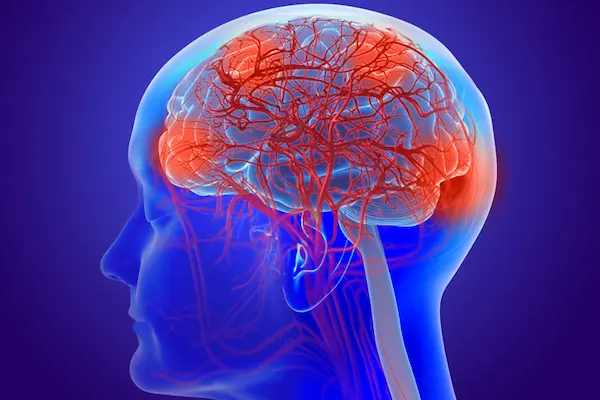
Antioxidant balance matters because brain cells operate under constant metabolic demand and require tight control over their internal chemical environment. When redox conditions shift, cells experience higher energy strain and reduced efficiency in maintaining normal cellular processes. This imbalance places pressure on mitochondria, which play a central role in sustaining brain activity in research models.
L-Glutathione contributes to this balance by supporting intracellular redox regulation rather than responding only after oxidative stress increases. Stable redox conditions allow brain cells to adapt to metabolic load and maintain resilience under stress. Research links disrupted redox balance with early cellular changes that precede measurable cognitive decline, which highlights why antioxidant balance remains a critical focus in brain health research.
The ability to maintain antioxidant balance depends on several biological factors that influence glutathione availability within the brain.
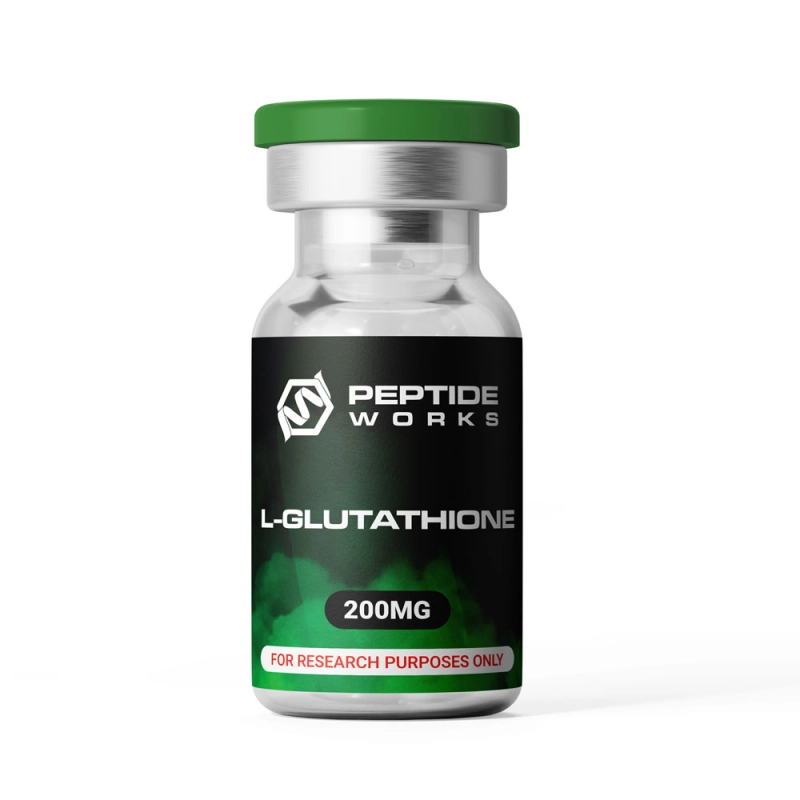
L-Glutathione levels in the brain depend on how well neurons can make and maintain this antioxidant under constant chemical demand. The brain forms glutathione from glutamate, cysteine, and glycine, but research shows that cysteine availability becomes the rate-limiting factor because neurons must take it in from surrounding tissues. When cysteine transport into neurons is impaired, glutathione production declines.
Another key influence is age and oxidative demand. Studies find that glutathione levels vary across brain regions and generally fall with age, making older brains more vulnerable to oxidative stress.
Genetic and cellular regulation also affect availability. Specific transporters and protein regulators control how much glutathione neurons can produce. When these pathways are disrupted, glutathione levels can drop, contributing to increased oxidative susceptibility in research models.
Even when glutathione levels remain sufficient, cognitive outcomes also rely on how effectively neurons communicate across brain networks.
Brain signaling systems control how neurons transmit information in research models. Neurons send signals through synapses using receptors and neurotransmitters to coordinate activity across neural circuits. These signaling systems require consistent cellular conditions to maintain signal accuracy, timing, and pathway coordination. When signaling remains efficient, neural networks process information with greater stability.
Researchers often include L-Glutathione when examining cellular conditions that support normal signaling activity in the brain. Studies that focus on cognitive signaling also examine additional peptides. Semax and Selank appear in research for their association with signaling regulation and neural communication pathways linked to cognitive performance.
Among the peptides studied in this context, Selank is frequently examined for its association with specific cognitive and emotional processes.
Checkout Selank from Peptide Works, a neuropeptide that supports memory regulation, emotional balance, and adaptive cognitive function in laboratory studies.

Research studies link Selank to brain functions involved in memory stability, learning performance, and emotional regulation in controlled models. In animal studies, Selank helped preserve memory and attention when experimental conditions disrupted normal cognitive performance. These findings connect Selank to neural systems that manage information processing and retention.
Studies also show that Selank influences neurotransmitter systems that regulate mood, focus, and stress-related responses. Selank alters gene expression linked to inhibitory signaling pathways, which helps explain its role in maintaining calm and stable cognitive function in research. Research also links Selank to changes in brain-derived neurotrophic factor activity in regions involved in learning and synaptic adaptation, supporting its relevance to cognitive research.
Other peptides are studied alongside Selank, particularly those associated with broader aspects of brain health and adaptive cognitive function.
Explore Semax from Peptide Works, a peptide that enhances learning, memory pathways, and neural signaling for stable cognitive performance in controlled studies.

Research studies associate Semax with brain processes linked to learning, memory regulation, and neural communication. In experimental models, Semax supports pathways involved in synaptic activity and signal coordination across brain regions. These effects connect Semax to mechanisms that help maintain stable information flow during cognitive tasks.
Studies also link Semax with changes in neurotransmitter-related systems that influence focus, emotional balance, and adaptive responses. Research models show that Semax affects gene activity tied to neural signaling and stress-related regulation. Together, these findings place Semax within brain health research focused on maintaining functional stability and cognitive performance under demanding conditions.
Taken together, findings across glutathione and peptide research contribute to a broader view of long-term brain health mechanisms.
Research continues to position L-Glutathione as a key focus in studies exploring brain health, cognitive stability and cellular resilience. As understanding of brain signaling and metabolic demand grows, glutathione remains central to research examining how neural systems maintain balance under stress. Ongoing studies aim to clarify how glutathione levels relate to long-term brain function and adaptive capacity in controlled research.
Research also expands to include additional peptides such as Semax and Selank, which appear in studies focused on cognitive signaling and neural regulation. Together, these research directions reflect growing interest in multi pathway approaches to brain health, supporting continued investigation into interconnected mechanisms that shape cognitive research outcomes.
All products discussed are supplied for research purposes only and are not intended for human use.
[1] Iskusnykh IY, Zakharova AA, Pathak D. Glutathione in Brain Disorders and Aging. Molecules. 2022 Jan 5;27(1):324.
[2] Aoyama K, Nakaki T. Glutathione in Cellular Redox Homeostasis: Association with the Excitatory Amino Acid Carrier 1 (EAAC1). Molecules. 2015 May 14;20(5):8742-58.
[3] Semenova TP, Kozlovskaya MM, Zakharova NM, Kozlovskii II, Zuikov AV. Effect of selank on cognitive processes after damage inflicted to the cerebral catecholamine system during early ontogeny. Bull Exp Biol Med. 2007 Nov;144(5):689-91.
[4] Medvedeva EV, Dmitrieva VG, Povarova OV, Limborska SA, et al. The peptide semax affects the expression of genes related to the immune and vascular systems in rat brain focal ischemia: genome-wide transcriptional analysis. BMC Genomics. 2014 Mar 24;15:228.
ALL CONTENT AND PRODUCT INFORMATION AVAILABLE ON THIS WEBSITE IS FOR EDUCATIONAL PURPOSES ONLY.
DISCLAIMER: These products are intended solely as a research chemical only. This classification allows for their use only for research development and laboratory studies. The information available on our Peptide Works website: https://peptide-works.com/ is provided for educational purposes only. These products are not for human or animal use or consumption in any manner. Handling of these products should be limited to suitably qualified professionals. They are not to be classified as a drug, food, cosmetic, or medicinal product and must not be mislabelled or used as such.
Peptide Works
Related Articles

What are the Best Cognitive Peptides?
Cognitive peptides are short chains of amino acids that researchers are exploring for their potential effects on brain function. They

Achieving increased skin pigmentation without prolonged sun exposure has been demonstrated with Melanotan peptides in research. Two commonly studied options,

Can PTD-DBM Hair Growth Peptide Stop Balding?
Hair thinning and balding affect millions worldwide, often leading to frustration and limited options. This challenge has driven researchers to