

PROMO!
First order? Get 10% OFF with this code: 1storder


Written by

Aging affects how joints move and how tissues handle daily stress. Over time, movement may feel less smooth, and tissues may lose their ability to stay flexible and strong. Because of these visible changes, researchers focus on peptides to better understand how aging influences connective tissue behavior at a cellular level. Cartalax Benefits attract growing research interest due to their link with cartilage structure, tissue signaling, and long-term joint support.
Researchers also study Cartalax with peptides such as BPC-157 and TB-500 to explore how peptides interact with tissue maintenance pathways. This interest extends to pulmonary fibrosis research models, where tissue remodeling and cellular signaling play an important role.
These biological insights help explain why cartilage and connective tissue become vulnerable with age, which sets up a closer look at the underlying mechanisms.
Explore Cartalax from Peptide Works, a peptide that supports cartilage signaling and connective tissue stability in aging research.
Aging weakens cartilage and connective tissue by slowing key cellular processes. Research shows that aging cells produce less collagen and proteoglycans, which cartilage needs to stay flexible and hydrated. As water content drops, cartilage loses its shock absorbing ability and becomes more prone to wear. These changes explain why joints often feel stiff and less resilient over time.
Cell aging also disrupts tissue signaling and repair balance. Chondrocytes divide less and respond poorly to stress, which limits natural maintenance of the joint matrix.
Understanding these age-driven shifts naturally leads to studying how Cartalax Benefits may support cartilage signaling and connective tissue stability.
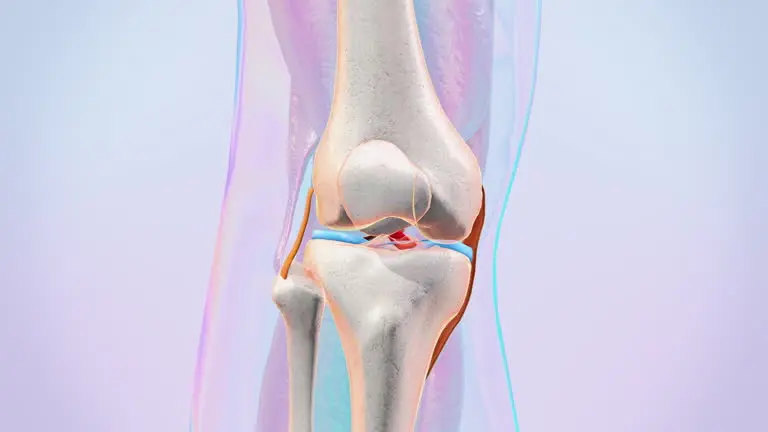
Cartalax acts as a peptide bioregulator in research models that examine cartilage tissue behavior and matrix balance. Scientists use this short peptide to study how cartilage cells manage production of collagen and proteoglycans, which support elasticity, resilience and load handling within joint tissue. Cartalax influences gene level signaling linked to matrix synthesis and controlled breakdown, helping researchers observe how a stable extracellular matrix forms in experimental tissue systems.
Research observations also indicate that Cartalax may limit activity of enzymes involved in matrix degradation while supporting anabolic processes tied to tissue integrity. These effects allow scientists to explore how peptide based regulation supports cartilage stability and smoother joint function under mechanical stress in laboratory models of aging, injury and degenerative pathways.
These functional effects connect directly to the ways Cartalax modulates tissue stress and inflammatory pathways, which we examine next.
Cartalax influences cellular signaling pathways that regulate how connective tissues respond to mechanical strain and ongoing stress. This peptide affects stress related signals that guide cells toward repair activity or inflammatory signaling. Through this regulatory effect, Cartalax shapes how tissues process repeated load, pressure and structural challenge over time.
Cartalax also modulates matrix-related communication connected to tissue stability and balance. By supporting controlled signaling rather than excessive breakdown activity, Cartalax maintains healthier matrix dynamics during periods of tissue stress.
These signaling patterns highlight how Cartalax differs from other peptides like BPC-157, making a comparison between these peptides important to understand.
Check out BPC-157 from Peptide Works, a peptide known for promoting tissue repair, angiogenesis, and cellular regeneration in research models.
Cartalax and BPC-157 differ in research focus, signaling range, and tissue specificity. The comparison below highlights how Cartalax Benefits align with cartilage-centered regulation, while BPC-157 emphasizes broader tissue repair pathways.
| Aspect | Cartalax | BPC-157 |
|---|---|---|
| Primary Research Focus | Cartalax Benefits center on cartilage-specific signaling and extracellular matrix balance within joint tissue | Focuses on broad tissue repair signaling across multiple tissue types |
| Signaling Scope | Regulates gene-level pathways tied to collagen and proteoglycan organization in cartilage | Activates pathways linked to vascular signaling, cell migration, and structural repair |
| Tissue Emphasis | Targets cartilage structure, joint stability, and connective tissue signaling | Targets tendons, ligaments, muscle, bone, and soft tissue repair |
| Research Application | Supports studies focused on cartilage resilience and joint matrix control | Supports studies focused on multi-tissue repair and recovery pathways |

TB-500 regulates actin dynamics that control cell shape, movement, and structural coordination in connective tissues. Actin governs how cells migrate, align and respond to physical demand, which makes TB-500 relevant to tissue movement and functional organization. This peptide directs cellular behavior toward coordinated motion rather than cartilage matrix regulation.
TB-500 also influences signaling that guides tissue adaptation during mechanical stress. The peptide organizes cytoskeletal structure and supports aligned cellular response during movement and strain.
These observations naturally lead to investigating how peptide bioregulators, including Cartalax, influence cellular aging pathways.
Discover about TB-500 at Peptide Works, a thymosin beta-4 fragment that enhances cytoskeletal organization and tissue coordination in mobility studies.
Peptide bioregulators influence how cells respond to aging. They adjust gene activity, protein production and stress response pathways to help cells maintain repair and function. Studies show that these peptides support production of proteins important for the extracellular matrix, collagen and proteoglycans, which keep tissue strong and resilient over time.
Research also indicates that Cartalax Benefits relate to these mechanisms by supporting cartilage signaling and tissue maintenance at the cellular level. By regulating stress adaptation and protein turnover, these peptides help cells maintain healthy activity, providing insight into how connective tissues preserve function during aging in laboratory research.
These findings point toward the ongoing potential for peptides like Cartalax in promoting healthy aging, which we explore in the final section.
Cartalax Benefits continue to gain attention in research for their role in supporting joint and connective tissue health. Studies show the peptide influences gene-level signaling, helps maintain the extracellular matrix and supports tissue adaptation to age related stress, promoting structural stability and resilience.
Peptides such as BPC-157 and TB-500 complement Cartalax in research exploring tissue repair, cellular maintenance and mobility. At Peptide Works, we provide high quality peptides for scientific studies that advance understanding of these mechanisms, highlighting the importance of precise, mechanism driven peptide research in promoting healthy aging and maintaining long-term tissue function.
All products discussed are supplied for research purposes only and are not intended for human use.
[1] Liu Q, Jia Z, Duan L, Xiong J, Wang D, Ding Y. Functional peptides for cartilage repair and regeneration. Am J Transl Res. 2018 Feb 15;10(2):501-510.
[2] Ellman MB, Yan D, Ahmadinia K, Chen D, An HS, Im HJ. Fibroblast growth factor control of cartilage homeostasis. J Cell Biochem. 2013 Apr;114(4):735-42.
[3] Maar K, Hetenyi R, Maar S, Faskerti G, Hanna D, Lippai B, Takatsy A, Bock-Marquette I. Utilizing Developmentally Essential Secreted Peptides Such as Thymosin Beta-4 to Remind the Adult Organs of Their Embryonic State-New Directions in Anti-Aging Regenerative Therapies. Cells. 2021 May 28;10(6):1343.
[4] Vasireddi N, Hahamyan H, Salata MJ, Karns M, Calcei JG, Voos JE, Apostolakos JM. Emerging Use of BPC-157 in Orthopaedic Sports Medicine: A Systematic Review. HSS J. 2025 Jul 31:15563316251355551.
ALL CONTENT AND PRODUCT INFORMATION AVAILABLE ON THIS WEBSITE IS FOR EDUCATIONAL PURPOSES ONLY.
DISCLAIMER: These products are intended solely as a research chemical only. This classification allows for their use only for research development and laboratory studies. The information available on our Peptide Works website: https://peptide-works.com/ is provided for educational purposes only. These products are not for human or animal use or consumption in any manner. Handling of these products should be limited to suitably qualified professionals. They are not to be classified as a drug, food, cosmetic, or medicinal product and must not be mislabelled or used as such.
Peptide Works
Related Articles

What are the Best Cognitive Peptides?
Cognitive peptides are short chains of amino acids that researchers are exploring for their potential effects on brain function. They

Achieving increased skin pigmentation without prolonged sun exposure has been demonstrated with Melanotan peptides in research. Two commonly studied options,

Can PTD-DBM Hair Growth Peptide Stop Balding?
Hair thinning and balding affect millions worldwide, often leading to frustration and limited options. This challenge has driven researchers to