
PROMO!
First order? Get 10% OFF with this code: 1storder


Written by

Tissue repair peptides are gaining interest in research because they may support natural healing, tissue growth, and recovery processes. These compounds work with biological pathways involved in cell communication, tissue repair, and regeneration.
Peptides such as BPC-157, TB-500, and Hexarelin are being studied for their role in tissue repair. Researchers are looking at how these peptides may support healing by affecting collagen production, inflammation control, blood vessel growth and tissue recovery.
Ongoing studies are looking at how tissue repair peptides interact with different tissues, including muscles, tendons, ligaments, and connective tissues. This research may help scientists better understand their role in regenerative medicine.
Explore Hexarelin from Peptide Works, a peptide studied for boosting growth hormone release and aiding tissue repair and regeneration.
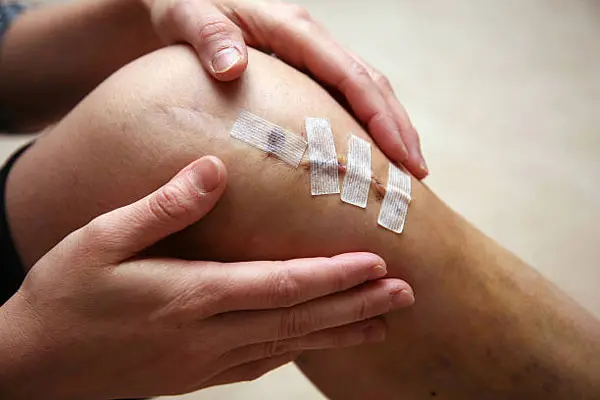
BPC-157 is being studied for its potential role in supporting tissue repair through several biological pathways. Research suggests it may influence angiogenesis, helping promote new blood vessel formation that supports oxygen and nutrient delivery during healing.
Studies have also explored its effects on collagen production, tissue remodeling, and inflammatory pathway regulation. Research models suggest BPC-157 may support repair processes in tendons, ligaments, muscles and other tissues.
BPC-157 has also been linked to VEGF-related signaling, which plays a role in blood vessel growth and tissue repair. Current research continues to examine its effects in tissue healing studies.
Discover BPC-157 from Peptide Works, a peptide studied for enhancing tissue regeneration and supporting faster recovery processes.
Collagen is an important protein for tissue repair. It provides structure and strength to skin, muscles, tendons, ligaments, and other connective tissues. During healing, proper collagen formation helps rebuild damaged areas and supports tissue remodeling.
Research on peptides such as BPC-157 and TB-500 has looked at their role in collagen-related repair processes. Studies suggest these peptides may affect collagen formation, cell movement and tissue remodeling in research models. Proper collagen organization helps support tissue strength and repair.
TB-500 is studied because it is a synthetic peptide based on the actin-binding region of thymosin beta-4, a naturally occurring peptide. Research shows that thymosin beta-4 binds G-actin and regulates actin dynamics.
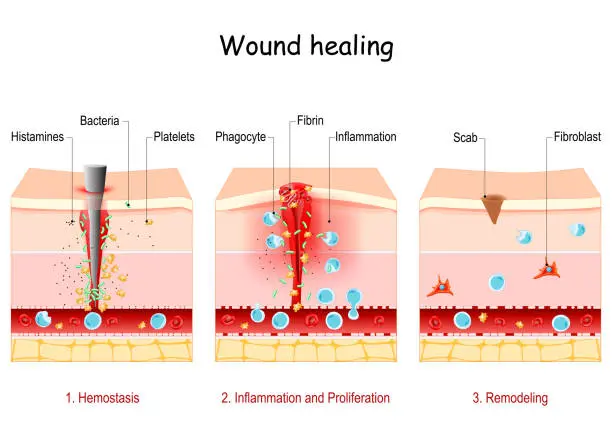
This supports cell migration, which is an important step in tissue repair. Studies also show that it promotes keratinocyte and fibroblast migration, supports angiogenesis, and helps organize the early stages of wound healing.
Animal and laboratory studies found that thymosin beta-4 increased re-epithelialization, collagen deposition, wound contraction and extracellular matrix remodeling. Its actin-binding region also increased matrix metalloproteinase (MMP) expression, which supports tissue remodeling during healing.
Most published evidence comes from studies on thymosin beta-4 rather than TB-500 itself.
Discover TB500 from Peptide Works, a peptide studied for promoting tissue repair and enhancing cell migration for faster recovery.
Hexarelin supports tissue repair by stimulating natural growth hormone release. This growth hormone boost helps muscles, bones, and tendons recover faster. It also reduces inflammation and protects heart tissue from damage.
Hexarelin works differently from other tissue repair peptides like BPC-157 or TB-500. Studies show it helps with injury recovery and joint health improvement.
This peptide maintains overall tissue strength and flexibility during healing. Its effects include faster recovery and better muscle growth. These benefits make Hexarelin valuable among tissue repair peptides for research.
Different injuries respond well to tissue repair peptides depending on the tissue and damage severity. Muscle tears, tendon strains and ligament sprains heal faster with peptides like BPC-157.
Joint injuries improve due to reduced inflammation and better collagen support. Skin wounds regenerate more quickly thanks to enhanced cell growth.
These injuries are common in sports and accidents, so researchers focus on them. Peptides help reduce scar tissue and speed recovery times.
They also strengthen damaged tissues for better healing. This focused approach improves study accuracy and healing outcomes.
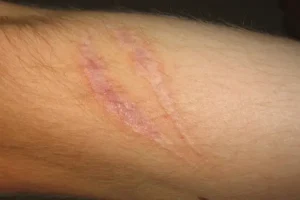
Tissue repair peptides can lower scar formation by keeping inflammation in check during healing. They help balance collagen levels to stop excess buildup.
By regulating cells that create scar tissue, these peptides may reduce fibrosis. This may help make scars softer and less noticeable. They also support skin regeneration helping the skin regain smoothness after injury.
Increasing new blood vessel growth is another way these peptides speed healing. Studies show they support healing without scarring in many tissues. These effects make tissue repair peptides important for better wound care.
The future of tissue repair peptides such as BPC-157, TB-500 and Hexarelin holds promise based on current studies and insights from recent systematic reviews. Scientists continue to explore new healing possibilities for these compounds in various tissue types across the human body.
Research may lead to more targeted and efficient peptides for different healing applications, supported by innovations in drug delivery. Peptide Works supplies research-grade peptides to scientists worldwide for their studies.
These compounds allow researchers to investigate potential healing therapies in controlled environments using short chains of amino acids, the building blocks of proteins that form the basis of repair and regeneration. Scientific advancements may contribute to progress in wound healing and tissue regeneration fields, as researchers continue to study bioactive peptides and their therapeutic roles in managing chronic pain and chronic joint pain.
The growing research interest in tissue repair peptides suggests continued development in this area, highlighting their high-affinity interactions that support advanced medical applications.
All products discussed are supplied for research purposes only and are not intended for human use.
(1) Ross A, Sauce-Guevara MA, Alarcon EI, Mendez-Rojas MA. Peptide Biomaterials for Tissue Regeneration. Front Bioeng Biotechnol. 2022 Aug 5;10:893936.
(2) Cushman CJ, Ibrahim AF, Smith AD, Hernandez EJ, MacKay B, Zumwalt M. Local and Systemic Peptide Therapies for Soft Tissue Regeneration: A Narrative Review. Yale J Biol Med. 2024 Sep 30;97(3):399-413.
(3) Zambelli V, Rizzi L, Delvecchio P, Bresciani E, Rezoagli E, Molteni L, Meanti R, Cuttin MS, Bovo G, Coco S, Omeljaniuk RJ, Locatelli V, Bellani G, Torsello A. Hexarelin modulates lung mechanics, inflammation, and fibrosis in acute lung injury. Drug Target Insights. 2021 Nov 27;15:26-33.
(4) Malinda KM, Sidhu GS, Mani H, Banaudha K, Maheshwari RK, Goldstein AL, Kleinman HK. Thymosin beta4 accelerates wound healing. J Invest Dermatol. 1999 Sep;113(3):364-8.
ALL CONTENT AND PRODUCT INFORMATION AVAILABLE ON THIS WEBSITE IS FOR EDUCATIONAL PURPOSES ONLY.
DISCLAIMER: These products are intended solely as a research chemical only. This classification allows for their use only for research development and laboratory studies. The information available on our Peptide Works website: https://peptide-works.com/ is provided for educational purposes only. These products are not for human or animal use or consumption in any manner. Handling of these products should be limited to suitably qualified professionals. They are not to be classified as a drug, food, cosmetic, or medicinal product and must not be mislabelled or used as such.
Peptide Works
Related Articles
How can ARA-290 Peptide Help Diabetic Patients?
Diabetes affects millions of people around the world and leads to serious health problems. Research shows that the ARA-290 peptide

Can AICAR Peptide Improve Endurance?
AICAR peptide has shown promising results for improving endurance capacity in studies. Research shows that AICAR activates AMPK, increasing glucose

Enhancing Energy with NAD+ Supplements
Energy is the driving force behind focus, movement, and recovery. When cells have less energy to work with, the body