

PROMO!
First order? Get 10% OFF with this code: 1storder


Written by

Have you ever wondered why some people find it so hard to stop addictive habits, even when they truly want to? It’s not just about willpower; it’s about chemistry. Deep within the brain, a powerful neuropeptide called orexin (also known as hypocretin) helps regulate wakefulness, motivation, and reward-seeking behaviors.
When this system becomes overactive, the brain’s craving circuits can intensify, making addictive behaviors more difficult to control. That’s where the idea of Orexin Addiction Therapy becomes fascinating.
By exploring how orexin influences reward pathways, scientists aim to understand whether targeting this peptide system could help manage the root of addiction-related impulses. While the findings so far are focused on laboratory settings, the results are intriguing enough to capture growing attention in addiction neuroscience.
Understanding how orexin operates within the brain provides the foundation for examining its potential role in addiction research.
Explore Orexin A Peptide from Peptide Works, a neuropeptide that supports research into wakefulness, motivation, and reward pathways involved in addiction and arousal regulation.
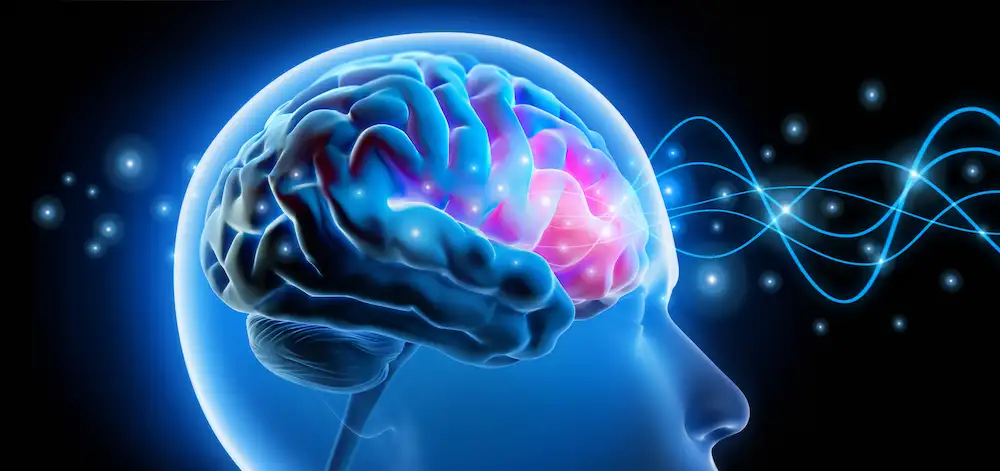
Orexin A acts as a link between the brain’s energy systems and its reward centers. It helps regulate alertness, motivation, and goal-driven behavior, which are also key components of addiction. Recent research on Orexin Addiction Therapy highlights that when addictive substances are introduced, orexin neurons become highly active and reinforce the motivation to seek the substance again.
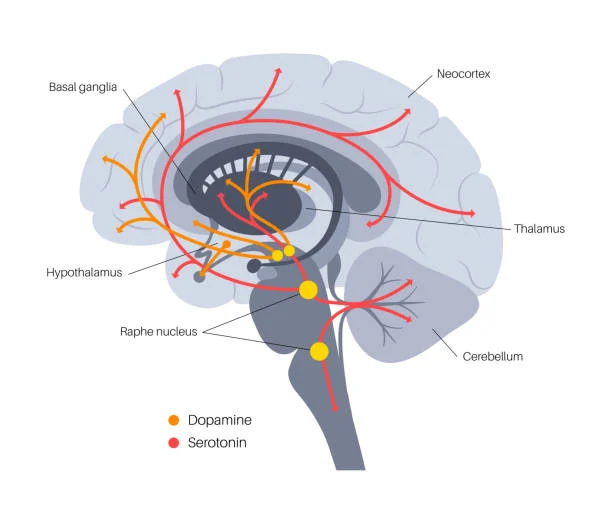
Several studies suggest that orexin signaling interacts directly with dopamine, the chemical messenger that reinforces pleasure and reward. When this connection strengthens, the brain starts associating familiar cues with the expectation of reward.
Over time, this process can heighten craving intensity and reinforce addictive patterns. Because of these findings Orexin Addiction Therapy is gaining attention as a promising focus in addiction neuroscience.
To better understand this link between orexin and reward-driven behavior, it helps to look more closely at the receptors that make this system work.
Orexin receptors are tiny switches in the brain that control how strong a craving feels. There are two types, OX1 and OX2, and both respond to the peptide orexin. When these receptors are active, they trigger signals that boost dopamine the chemical that makes rewards feel good. This reaction can make cravings feel urgent and hard to resist.
In Orexin Addiction Therapy, scientists look at ways to block these receptors using compounds called orexin receptor antagonists. Blocking the receptors can calm overactive dopamine circuits and reduce the link between stress, cues, and the urge to use again.
Early research and studies show that this approach might lower relapse risk by helping the brain balance its craving response more effectively.
This connection between orexin receptors and craving control naturally leads to another key question: how might receptor blockade affect relapse outcomes?
Yes. Preclinical studies suggest that orexin receptor blockade may reduce relapse-like behavior. Orexin receptor antagonists have been shown to reduce drug-seeking triggered by drug-related cues, stress, and, in some models, drug re-exposure. These findings suggest that orexin signaling plays an important role in relapse pathways.
Most evidence comes from laboratory and animal studies. Current research supports orexin receptor blockade as a promising target for addiction research. More studies are needed to better understand the roles of OX1 and OX2 receptors in relapse-related behaviors.
Since stress often plays a major role in relapse, another important area of focus involves oxytocin a peptide known for its link to emotional regulation and stress control.
Oxytocin interacts with stress-related pathways in the brain, including those linked to the hormone cortisol. In preclinical studies, oxytocin has been shown to influence the processing of stress signals through the hypothalamic-pituitary-adrenal (HPA) axis.
These findings suggest that oxytocin may help regulate stress-related responses linked to relapse-like behavior in research models. Alongside orexin research, oxytocin is also being studied to better understand how peptide systems influence stress and addiction-related pathways.
Orexin pathways are mainly linked to craving and reward. oxytocin appears to play a larger role in stress response mechanisms. Together, these peptides help researchers explore how stress and motivation systems interact in addiction-related research.
As oxytocin and orexin work within related brain networks, studying how they interact may provide deeper insight into addiction pathways.
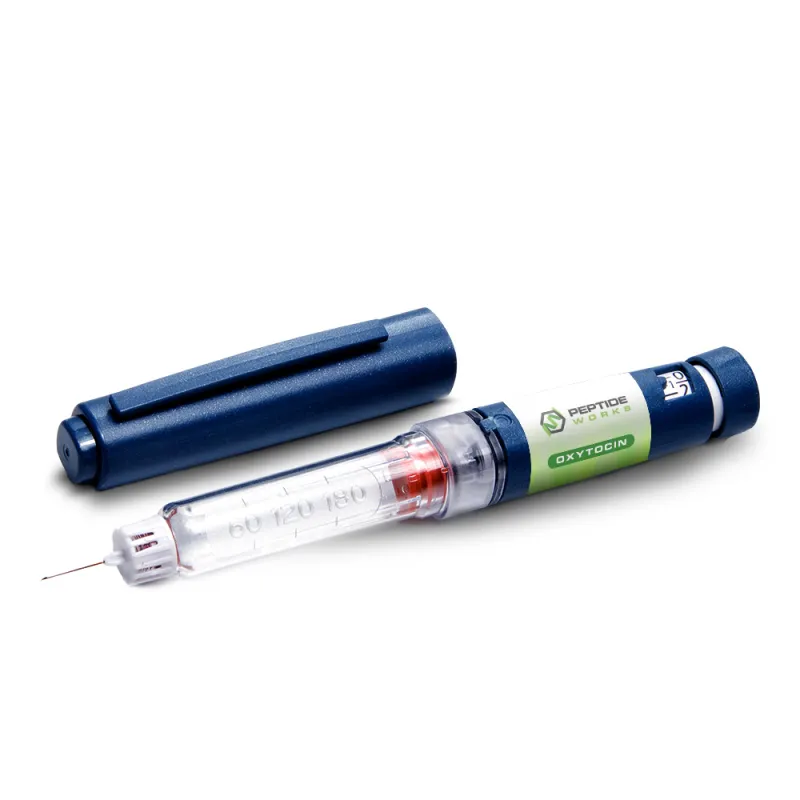
Oxytocin and orexin interact through connected brain networks that regulate stress, reward, and motivation. Research suggests that orexin signaling promotes arousal, cue-driven drug seeking and motivation for rewards, while oxytocin signaling may reduce stress responses and the influence of drug-related cues. Together, these peptide systems help shape addiction-related behaviors through overlapping neural circuits.
Current evidence suggests that the interaction between oxytocin and orexin helps regulate craving, stress responses, and relapse-like behavior in preclinical models. Studying how these peptide systems work together may improve the understanding of addiction pathways and identify new targets for future addiction research. Most evidence is currently based on laboratory and animal studies.
While the growing body of research is promising, every field of study has limitations. Understanding these limits is important for advancing peptide-based addiction research.
Explore Oxytocin Peptide from Peptide Works, a research peptide linked to emotional regulation, stress response, and social bonding mechanisms within addiction pathways.
Current evidence suggests that orexin-targeted addiction research has several limitations. Most findings come from preclinical studies, and results can vary because of differences in experimental models, receptor distribution, and study design. These factors make it difficult to determine how orexin signaling influences addiction across different research settings.
Another limitation is the complexity of the orexin system itself. OX1 and OX2 receptors have different roles, and some compounds block both receptors making it difficult to identify the contribution of each receptor to addiction-related behaviors. Orexin signaling also interacts with dopamine and other neurotransmitter systems.
This adds to the complexity of interpreting research findings. These limitations highlight the need for further studies to better understand orexin-targeted approaches for addiction.
Research on orexin-targeted approaches for addiction continues to grow as new research methods improve the study of orexin signaling. Scientists are investigating how orexin receptors regulate craving, motivation, stress, and reward in preclinical addiction models.
Current studies are also exploring how OX1 and OX2 receptors contribute to addiction-related behaviors. Researchers are examining how orexin interacts with other signaling systems, including oxytocin to better understand the biological pathways involved in addiction.
At Peptide Works, we provide premium-quality research peptides, including Orexin A Peptide and Oxytocin Peptide, to support laboratory research into the biological mechanisms involved in addiction, energy regulation, and motivation.
All products discussed are supplied for research purposes only and are not intended for human use.
(1) Matzeu A, Martin-Fardon R. Understanding the Role of Orexin Neuropeptides in Drug Addiction: Preclinical Studies and Translational Value. Front Behav Neurosci. 2022 Jan 20;15:787595.
(2) Esmaili-Shahzade-Ali-Akbari P, Ghaderi A, Sadeghi A, Nejat F, Mehramiz A. The Role of Orexin Receptor Antagonists in Inhibiting Drug Addiction: A Review Article. Addict Health. 2024 May;16(2):130-139.
(3) Takayanagi Y, Onaka T. Roles of Oxytocin in Stress Responses, Allostasis and Resilience. Int J Mol Sci. 2021 Dec 23;23(1):150.
(4) Giannotti G, Mottarlini F, Heinsbroek JA, Mandel MR, James MH, Peters J. Oxytocin and orexin systems bidirectionally regulate the ability of opioid cues to bias reward seeking. Transl Psychiatry. 2022 Oct 4;12(1):432.
ALL CONTENT AND PRODUCT INFORMATION AVAILABLE ON THIS WEBSITE IS FOR EDUCATIONAL PURPOSES ONLY.
DISCLAIMER: These products are intended solely as a research chemical only. This classification allows for their use only for research development and laboratory studies. The information available on our Peptide Works website: https://peptide-works.com/ is provided for educational purposes only. These products are not for human or animal use or consumption in any manner. Handling of these products should be limited to suitably qualified professionals. They are not to be classified as a drug, food, cosmetic, or medicinal product and must not be mislabelled or used as such.
Peptide Works
Related Articles

How can ARA-290 Peptide Help Diabetic Patients?
Diabetes affects millions of people around the world and leads to serious health problems. Research shows that the ARA-290 peptide

Can AICAR Peptide Improve Endurance?
AICAR peptide has shown promising results for improving endurance capacity in studies. Research shows that AICAR activates AMPK, increasing glucose

Enhancing Energy with NAD+ Supplements
Energy is the driving force behind focus, movement, and recovery. When cells have less energy to work with, the body