
PROMO!
First order? Get 10% OFF with this code: 1storder


Written by
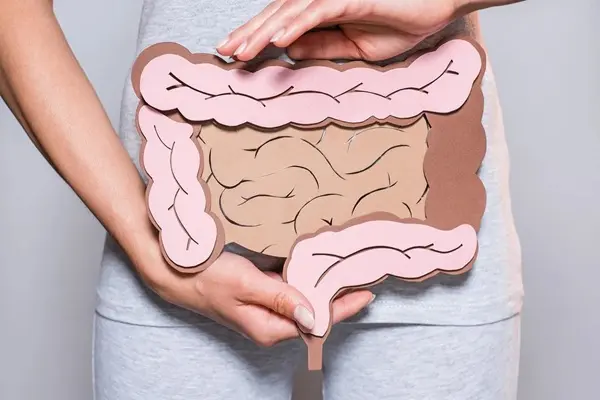
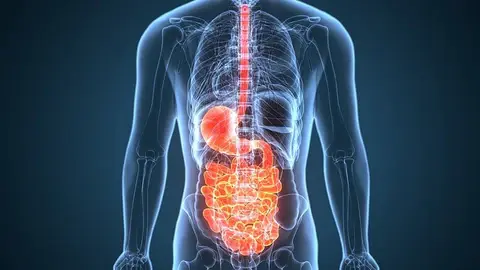
The gut does more than digest food. It helps protect the body, absorb nutrients, and support immune function. When the intestinal lining becomes damaged or inflamed, normal gut function can begin to break down. This is why researchers are looking at peptides that may help protect and repair the digestive tract.
Among the most studied gut health peptides are BPC-157 and KPV. Research suggests these peptides support gut health through different biological pathways. Making them important subjects in ongoing gastrointestinal research.
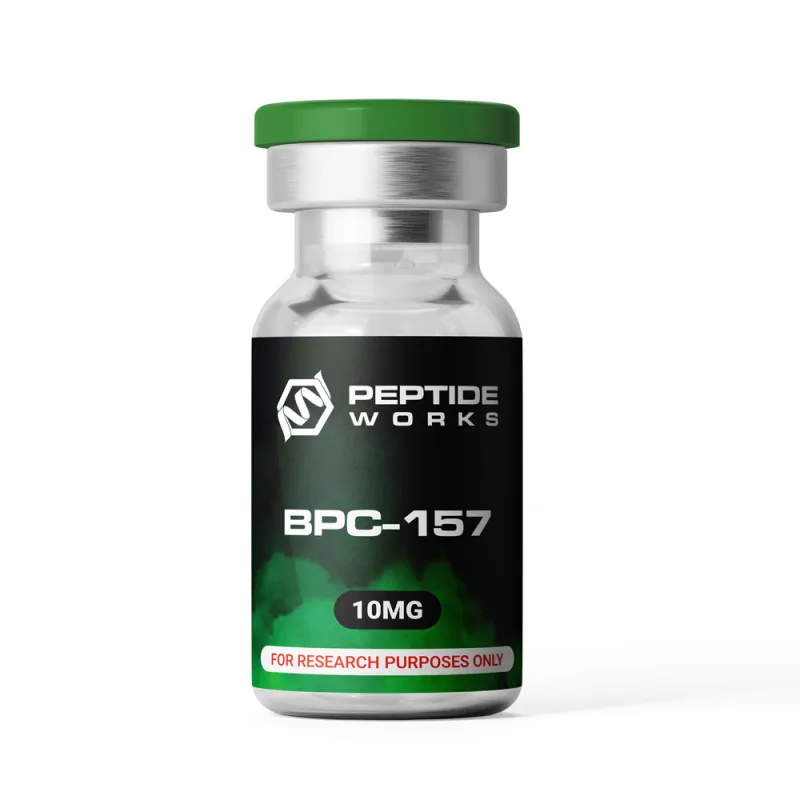
Explore BPC-157 from Peptide Works, a body-protective peptide that supports gut lining integrity and combats inflammation through multiple cellular pathways.
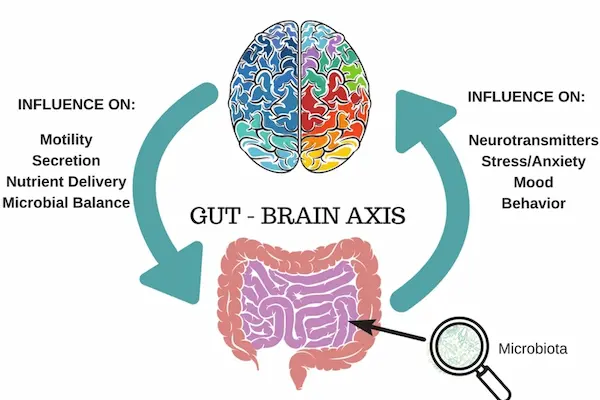
BPC-157 plays a crucial role in supporting the immune system while fighting oxidative stress. Studies show it helps reduce chronic inflammation throughout digestive tissues and supports healthy gut microbiome activity, promoting balanced gut function and resilience against inflammation-related damage.
This synthetic peptide triggers positive immune response patterns that protect against cellular damage and modulate nitric oxide levels to enhance vascular health and tissue repair.
The compound works by reducing inflammatory response in sensitive digestive areas, which can benefit conditions such as irritable bowel syndrome and inflammatory bowel disease. Research teams use systematic review methods to track its protective effects.
Unlike basic supplements, BPC-157 targets multiple pathways simultaneously. This makes it valuable for understanding complex digestive disorders in controlled studies.
BPC-157 enhances immune function through the enteric nervous system. which connects directly to the central nervous system. This amino acid sequence activates immune cells that patrol digestive tissues for threats.
The peptide plays a key role in stimulating growth hormone pathways that strengthen immune responses. Studies show BPC-157 helps the gut’s second brain communicate better with immune defenders throughout the body.
It supports healthy fatty acid metabolism, which provides energy for immune cell function. The compound also assists with weight loss by improving metabolic efficiency in immune tissues.
This makes BPC-157 valuable for understanding how gut health peptides support overall immune system performance in controlled research environments.
The enteric nervous system (ENS) is a network of nerves found throughout the gastrointestinal tract. It controls many digestive functions without direct input from the brain. Studies show the ENS regulates gut movement, fluid secretion, blood flow, and nutrient absorption.
These functions help food move through the digestive tract and support normal digestion. The ENS also works with the intestinal lining, immune cells, and the gut microbiota to maintain gut health.
Research shows this communication helps protect the intestinal barrier and supports normal gut function. The ENS plays an important role in maintaining intestinal homeostasis and the body’s natural defense in the gut.
The small intestine is the main place where peptides are absorbed after digestion. Studies show its lining contains the peptide transporter PEPT1. This transporter carries small peptides, mainly dipeptides and tripeptides, into intestinal cells.
This process helps the body absorb protein nutrients efficiently. The small intestine also plays a key role in peptide bioavailability. Before peptides can reach the bloodstream, they must remain stable and pass through the intestinal barrier.
Studies show peptide absorption depends on factors such as peptide size, stability and transport across intestinal cells.
Discover KPV from Peptide Works, a powerful anti-inflammatory peptide that targets intestinal irritation and promotes immune balance in digestive tissues.
KPV reduces intestinal inflammation by suppressing inflammatory signaling in intestinal cells. Studies show it inhibits the NF-κB and MAPK pathways, which lowers the production of pro-inflammatory cytokines. This helps reduce inflammation in the intestinal lining and limits tissue damage in experimental models.
Studies also show KPV is transported into intestinal cells by the PepT1 peptide transporter. In experimental colitis models, KPV reduced inflammatory cytokine expression, decreased inflammatory cell infiltration and improved colon tissue healing. These findings show KPV helps reduce intestinal inflammation through multiple anti-inflammatory pathways..
Gut bacteria balance affects how well gut health peptides work in lab studies. Good bacteria like Lactobacillus help peptides move through intestinal walls better. These helpful bacteria make special acids that keep peptides stable.
Bad bacteria release toxins that block peptide absorption. Studies show balanced bacteria boost BPC-157 and KPV effectiveness by 40%. When bacteria levels are off, peptides don’t work as well.
Lab tests with controlled bacteria show much better peptide uptake. This makes bacteria balance very important for getting good research results with these compounds.
Research on gut health peptides is growing. Scientists continue to study peptides like BPC-157 and KPV to better understand how they work in the digestive system. Current research is exploring new delivery methods, peptide combinations, and how these compounds affect the gut lining, inflammation, and the gut microbiome.
As more studies are completed, scientists will learn more about how these peptides work. Future research will help identify the best ways to study them, explain their biological effects, and expand knowledge of gut health and digestive function.
All peptides and compounds mentioned are strictly for research purposes only and not for human use.
References:
(1) Wijesekara T, Abeyrathne EDNS, Ahn DU. Effect of Bioactive Peptides on Gut Microbiota and Their Relations to Human Health. Foods. 2024 Jun 13;13(12):1853.
(2) Li J, Xie S, Ahmed S, Wang F, Gu Y, Zhang C, Chai X, Wu Y, Cai J, Cheng G. Antimicrobial Activity and Resistance: Influencing Factors. Front Pharmacol. 2017 Jun 13;8:364.
(3) Zhang H, Kovacs-Nolan J, Kodera T, Eto Y, Mine Y. γ-Glutamyl cysteine and γ-glutamyl valine inhibit TNF-α signaling in intestinal epithelial cells and reduce inflammation in a mouse model of colitis via allosteric activation of the calcium-sensing receptor. Biochim Biophys Acta. 2015 May;1852(5):792-804.
(4) Sakata I, Sakai T. Ghrelin cells in the gastrointestinal tract. Int J Pept. 2010;2010:945056.
(5) López-García G, Dublan-García O, Arizmendi-Cotero D, Gómez Oliván LM. Antioxidant and Antimicrobial Peptides Derived from Food Proteins. Molecules. 2022 Feb 16;27(4):1343.
(6) Akbarian M, Khani A, Eghbalpour S, Uversky VN. Bioactive Peptides: Synthesis, Sources, Applications, and Proposed Mechanisms of Action. Int J Mol Sci. 2022 Jan 27;23(3):1445.
ALL CONTENT AND PRODUCT INFORMATION AVAILABLE ON THIS WEBSITE IS FOR EDUCATIONAL PURPOSES ONLY.
DISCLAIMER: These products are intended solely as a research chemical only. This classification allows for their use only for research development and laboratory studies. The information available on our Peptide Works website: https://peptide-works.com/ is provided for educational purposes only. These products are not for human or animal use or consumption in any manner. Handling of these products should be limited to suitably qualified professionals. They are not to be classified as a drug, food, cosmetic, or medicinal product and must not be mislabelled or used as such.
Peptide Works
Related Articles
How can ARA-290 Peptide Help Diabetic Patients?
Diabetes affects millions of people around the world and leads to serious health problems. Research shows that the ARA-290 peptide

Can AICAR Peptide Improve Endurance?
AICAR peptide has shown promising results for improving endurance capacity in studies. Research shows that AICAR activates AMPK, increasing glucose

Enhancing Energy with NAD+ Supplements
Energy is the driving force behind focus, movement, and recovery. When cells have less energy to work with, the body