

PROMO!
First order? Get 10% OFF with this code: 1storder


Written by

Humanin peptide shows powerful effects against cellular aging in research. This mitochondrial-derived peptide protects neurons from oxidative stress and inflammation.
Research reveals that humanin peptide levels naturally decline with age and lower levels correlate with increased risk of Alzheimer’s and cardiovascular problems.
MOTS-c and NAD+ peptides work alongside humanin to maintain cellular energy, regulating metabolism and protecting mitochondrial function during aging.
Peptide Works provides these research peptides to facilities studying age-related diseases worldwide.
Explore Humanin Peptide from Peptide Works, a mitochondrial-derived peptide that protects aging cells by reducing oxidative stress and supporting neuronal and cardiovascular health.

Humanin peptide neutralizes harmful free radicals that damage aging cells. Research shows it activates antioxidant pathways inside mitochondria directly. It increases the production of protective enzymes like SOD2 and catalase.
These enzymes break down reactive oxygen molecules before cellular damage occurs. Humanin peptide also prevents inflammatory signals from triggering cell death programs.
Studies indicate MOTS-c works with humanin to boost these antioxidant defenses. Together, they maintain healthy cellular function despite age-related oxidative challenges.
Humanin peptide activates key antioxidant enzymes that fight aging cell damage. These include superoxide dismutase, catalase and glutathione peroxidase, which neutralize harmful molecules.
Boosting these enzymes helps mitochondria and cells resist oxidative damage. Humanin peptide also triggers the Nrf2 pathway, which regulates antioxidant defenses.
Research shows it works with MOTS-c and NAD+ peptides to maintain cellular energy and mitochondrial health.
| Antioxidant Enzyme | Function | Role in Aging Cells |
|---|---|---|
| Superoxide Dismutase (SOD2) | Converts superoxide radicals into less harmful molecules | Reduces oxidative stress in mitochondria |
| Catalase | Breaks down hydrogen peroxide into water and oxygen | Prevents cellular damage from reactive oxygen species |
| Glutathione Peroxidase | Neutralizes peroxides | Supports detoxification and protects cellular structures |
Experimental studies suggest that Humanin Peptide may reduce oxidative stress by modulating the Keap1/Nrf2 signaling pathway. When activated, Nrf2 moves into the cell nucleus and increases the expression of antioxidant and cytoprotective genes that help cells respond to oxidative stress.
Research in cell and animal models indicates that humanin may increase the expression of antioxidant proteins. such as heme oxygenase-1 (HO-1), NAD(P)H quinone dehydrogenase 1 (NQO1), and superoxide dismutase (SOD2).
These responses may strengthen the cell’s natural antioxidant defenses and help protect mitochondria from oxidative damage.
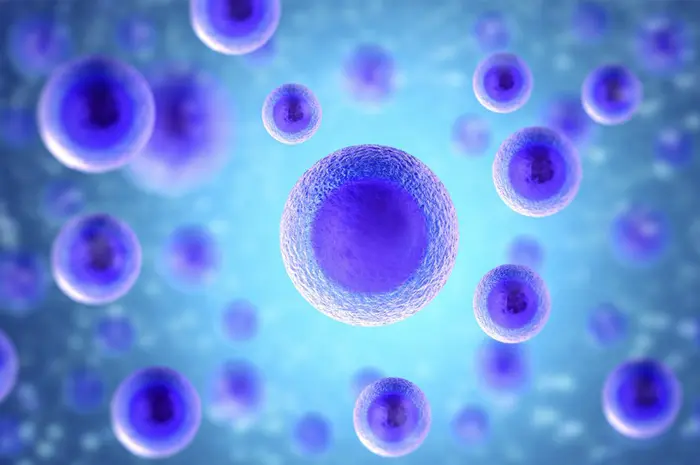
Glutathione levels decrease as cells age. This makes cells more vulnerable to oxidative stress. Experimental studies suggest that Humanin Peptide helps preserve mitochondrial glutathione in stressed cells.
It may also reduce damage caused by reactive oxygen species. These effects may support the cell’s natural antioxidant defenses. They may also help maintain healthy mitochondrial function.
Research also suggests that Humanin may modulate the Keap1/Nrf2 signaling pathway in experimental models, increasing the expression of antioxidant proteins that help cells respond to oxidative stress.
Through these protective mechanisms, Humanin has shown promise in laboratory studies of neurodegenerative, cardiovascular, and metabolic diseases.
Research highlights three major conditions where humanin peptide demonstrates protective effects. Alzheimer’s studies show it reduces amyloid beta toxicity and preserves memory function.
Cardiovascular research reveals humanin protects heart cells during oxygen deprivation events. Type 2 diabetes models demonstrate improved insulin sensitivity and glucose metabolism.
MOTS-c enhances these metabolic benefits through mitochondrial energy regulation. Recent data suggests humanin levels predict disease progression in aging populations. Peptide Works provides researchers studying these conditions with quality humanin peptide.
Alzheimer’s disease damages brain cells through toxic amyloid plaques and inflammation. Humanin peptide binds directly to amyloid beta preventing these plaques from killing neurons.
The peptide also stops tau proteins from forming deadly tangles inside cells. Research data shows humanin calms brain inflammation by controlling microglial activation.
MOTS-c and NAD+ support this protection by maintaining neuronal energy production. Memory tests in research models show better results with humanin treatment. Brain scans reveal less shrinkage in areas protected by this peptide.
Discover NAD+ Peptide from Peptide Works, a vital coenzyme peptide that promotes energy production, DNA repair, and overall mitochondrial health during cellular aging.

Research shows this peptide aids memory by protecting brain cells against stress and toxic proteins. It blocks amyloid beta toxicity, helping neurons and synapses work better during aging.
Animal studies show improved learning and memory with peptide treatment in aging models. It keeps mitochondria healthy, providing energy for brain cells to function properly.
MOTS-C peptide boosts metabolic function and energy to support these memory effects. Together, these peptides may slow cognitive decline in aging populations, offering hope for brain health.
Discover MOTS-c Peptide from Peptide Works, a powerful mitochondrial peptide that boosts cellular energy, enhances metabolism, and supports healthy aging and mitochondrial function.
Research on Humanin Peptide continues to expand across studies of aging and age-related diseases. Experimental studies suggest this mitochondrial-derived peptide may help protect cells from oxidative stress, inflammation and mitochondrial dysfunction.
Current research is investigating its potential role in neurodegenerative, cardiovascular, and metabolic disorders. Scientists are also studying its molecular mechanisms and evaluating its potential in future clinical research.
As evidence continues to grow, Humanin Peptide remains an important area of mitochondrial and healthy aging research. Peptide Works supplies Humanin Peptide for laboratory research only.
All peptides and compounds mentioned are strictly for research purposes only and not for human use.
(1) Gong Z, Tas E, Muzumdar R. Humanin and age-related diseases: a new link? Front Endocrinol (Lausanne). 2014 Dec 4;5:210.
(2) Coradduzza D, Congiargiu A, Chen Z, Cruciani S, Zinellu A, Carru C, Medici S. Humanin and Its Pathophysiological Roles in Aging: A Systematic Review. Biology (Basel). 2023 Apr 6;12(4):558.
(3) Zheng Y, Wei Z, Wang T. MOTS-c: A promising mitochondrial-derived peptide for therapeutic exploitation. Front Endocrinol (Lausanne). 2023 Jan 25;14:1120533.
(4) Kim SJ, Miller B, Kumagai H, Silverstein AR, Flores M, Yen K. Mitochondrial-derived peptides in aging and age-related diseases. Geroscience. 2021 Jun;43(3):1113-1121.
ALL CONTENT AND PRODUCT INFORMATION AVAILABLE ON THIS WEBSITE IS FOR EDUCATIONAL PURPOSES ONLY.
DISCLAIMER: These products are intended solely as a research chemical only. This classification allows for their use only for research development and laboratory studies. The information available on our Peptide Works website: https://peptide-works.com/ is provided for educational purposes only. These products are not for human or animal use or consumption in any manner. Handling of these products should be limited to suitably qualified professionals. They are not to be classified as a drug, food, cosmetic, or medicinal product and must not be mislabelled or used as such.
Peptide Works
Related Articles
How can ARA-290 Peptide Help Diabetic Patients?
Diabetes affects millions of people around the world and leads to serious health problems. Research shows that the ARA-290 peptide

Can AICAR Peptide Improve Endurance?
AICAR peptide has shown promising results for improving endurance capacity in studies. Research shows that AICAR activates AMPK, increasing glucose

Enhancing Energy with NAD+ Supplements
Energy is the driving force behind focus, movement, and recovery. When cells have less energy to work with, the body