

PROMO!
First order? Get 10% OFF with this code: 1storder


Written by
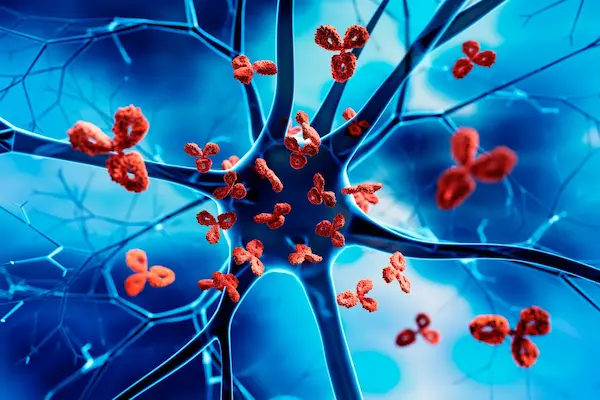
Autoimmune disorders happen when the immune system mistakenly attacks healthy cells instead of protecting the body. This can lead to swelling, joint pain, skin problems, and organ damage. Conditions like lupus, rheumatoid arthritis, and multiple sclerosis are all autoimmune diseases. Although current treatments help manage these conditions, researchers continue looking for better ways to understand immune dysfunction.
Researchers are now studying peptides as possible tools to support immune stability. One of these is Selank Peptide, a lab-made peptide first explored for mood and brain health. New research suggests it may also affect immune pathways linked to inflammation and overreaction. These findings make Selank peptide an important subject of study in the search for better ways to understand autoimmune disease.
To understand this potential, it helps to explore how Selank peptide may influence immune activity at the molecular level.
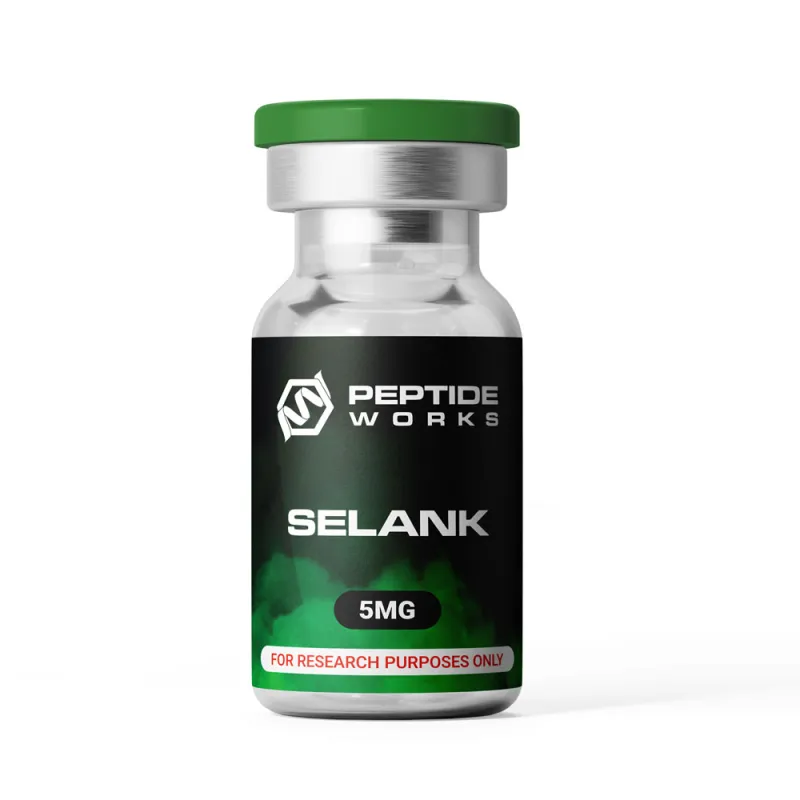
Explore Selank Peptide from Peptide Works, a research peptide studied for its potential to modulate cytokine activity and support immune balance.
Selank peptide may influence the immune system by modulating cytokines, chemokines, and inflammation-related genes involved in immune responses. Experimental studies have shown that Selank alters the expression of immune signaling molecules and genes associated with inflammation, suggesting it may help regulate immune activity.
Other peptides also show immune relevance. Humanin peptide has been shown to help protect cells from oxidative stress and inflammatory damage. Epithalon has been reported in experimental studies to support antioxidant defenses and may also influence telomerase activity.
Because cytokine activity is so central to immune function, it’s important to look more closely at how these messengers affect autoimmune disorders.
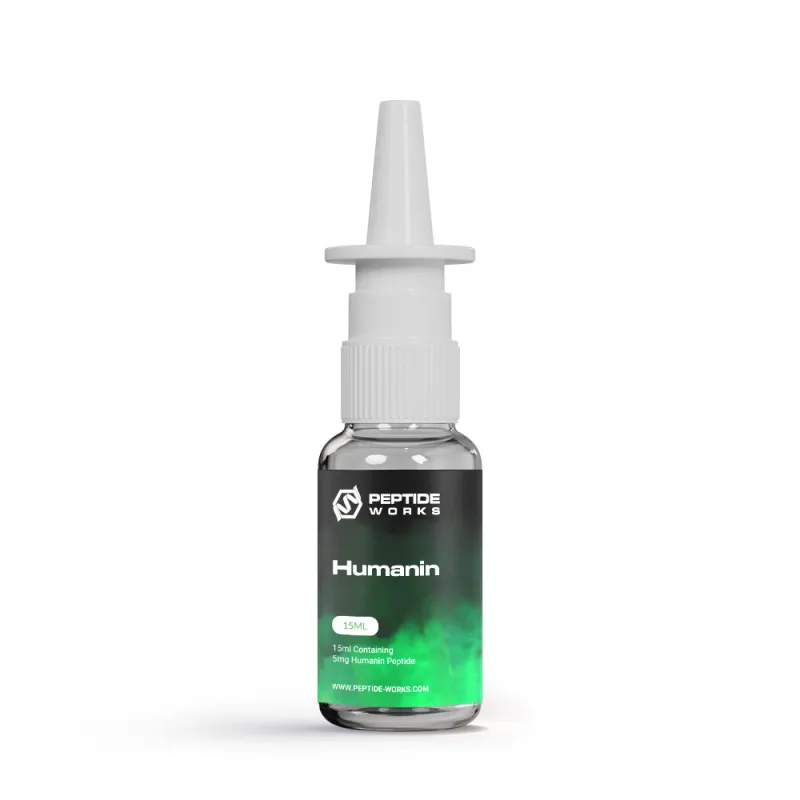
Discover Humanin from Peptide Works, a mitochondrial-derived peptide researched for its protective effects against oxidative stress and cellular dysfunction.
Cytokines are tiny proteins that tell immune cells what to do. When they work in balance, they help the body fight infection and repair damaged tissue.
In autoimmune disorders, this balance breaks down. Levels of pro-inflammatory cytokines, such as IL-6 and TNF-α, become too high. These cytokines keep the immune system active. This leads to chronic inflammation, tissue damage, and disease progression.
Research shows that cytokines play a central role in autoimmune disorders by regulating immune cell activity, promoting inflammatory responses, and sustaining inflammation in affected tissues.
But cytokines aren’t the only drivers of autoimmunity; oxidative stress also plays a major role in worsening immune imbalance.
Oxidative stress plays a central role in autoimmune disorders. It drives immune dysfunction, chronic inflammation, and tissue damage. It also contributes to disease onset, progression, and flare-ups. Because of these effects. Oxidative stress is considered a key factor in autoimmune disease.
Researchers are studying how peptides may help protect cells from oxidative damage. Humanin helps protect mitochondria from oxidative stress. Epithalon has shown antioxidant effects in studies. Selank helps regulate inflammatory signaling.
Since mitochondria both generate ROS and fuel immune cells, their health becomes another key piece of the autoimmune puzzle.
Shop Epithalon from Peptide Works, a synthetic peptide investigated for its antioxidant support and potential role in telomere stability and healthy cell function.
Mitochondria make the energy that immune cells need to work. When mitochondria become damaged, they release mitochondrial DNA (mtDNA) and reactive oxygen species (ROS). These molecules activate immune pathways, increase inflammation, and may drive autoimmune disease. Damaged mitochondria also produce less ATP, which may contribute to fatigue.
Research is also exploring ways to protect mitochondrial function. Humanin has shown the ability to reduce oxidative stress and protect mitochondria in experimental studies. However, there is little direct evidence that Humanin, Epithalon, or Selank improves mitochondrial function in autoimmune disorders. More research is needed before their role can be confirmed.
Energy output from mitochondria doesn’t just affect cells it also shapes how immune cells fuel themselves, making metabolism another crucial factor.
Immune cell metabolism shapes autoimmune disease by controlling how T cells, B cells, and other immune cells activate, differentiate, and function. During a normal immune response, activated immune cells rely more on glycolysis to meet their energy and functional demands.
In autoimmune disease this metabolic reprogramming becomes dysregulated. Immune cells stay active for too long. They produce more inflammatory cytokines and lose immune tolerance. Changes in mitochondrial function, glucose metabolism, lipid metabolism, and signaling pathways such as mTOR and AMPK also help drive chronic inflammation and autoimmune disease progression.
No single peptide shows the most promise for every autoimmune disorder. Instead, researchers are studying Selank, Humanin, and Epithalon because each targets a different biological process. Selank is being investigated for immune signaling. Humanin is studied for mitochondrial protection and inflammatory signaling. Epithalon is being explored for its antioxidant activity and effects on telomere biology.
At Peptide Works, researchers can access Selank, Humanin, and Epithalon for laboratory research. Together, these peptides help advance research into immune regulation and chronic inflammation.
| Peptide | Primary Research Focus | Autoimmune Relevance |
| Selank | Immune signaling, cytokine regulation | Effects on cytokine production and immune signaling have been reported in preclinical studies. Direct autoimmune evidence is limited. |
| Humanin | Mitochondrial protection, oxidative stress | Mitochondrial protection and modulation of inflammatory signaling. |
| Epithalon | Antioxidant activity, telomerase activation | Antioxidant activity and telomerase/telomere biology. Direct autoimmune evidence is limited. |
As this field grows, researchers are especially interested in what role Selank might play in the future.
The future of the Selank peptide in autoimmune research remains in the early stages. But laboratory findings on cytokine modulation suggest it could be a candidate for further study. As science uncovers more about how the nervous and immune systems interact, Selank could play a bigger role in guiding immune balance. Researchers are also monitoring how it compares with mitochondrial peptides such as Humanin and Epithalon, which may complement Selank’s immune effects.
At Peptide Works, we support this progress by providing high-quality peptides for research worldwide. By making Selank, Humanin, and Epithalon available to the scientific community, we hope to see new discoveries that shape the future of autoimmune care.
All products discussed are supplied for research purposes only and are not intended for human use.
(1) Leonidovna YA, Aleksandrovna SM, Aleksandrovna TA, Aleksandrovna BO, et al. The Influence of Selank on the Level of Cytokines Under the Conditions of “Social” Stress. Curr Rev Clin Exp Pharmacol. 2021;16(2):162-167.
(2) Volkova A, Shadrina M, Kolomin T, Andreeva L, et al. Selank Administration Affects the Expression of Some Genes Involved in GABAergic Neurotransmission. Front Pharmacol. 2016 Feb 18;7:31.
(3) Thummasorn S, Shinlapawittayatorn K, Khamseekaew J, Jaiwongkam T, et al. Humanin directly protects cardiac mitochondria against dysfunction initiated by oxidative stress by decreasing complex I activity. Mitochondrion. 2018 Jan;38:31-40.
(4) Coradduzza D, Congiargiu A, Chen Z, Cruciani S, et al. Humanin and Its Pathophysiological Roles in Aging: A Systematic Review. Biology (Basel). 2023 Apr 6;12(4):558.
(5) Al-Dulaimi S, Thomas R, Matta S, Roberts T. Epitalon increases telomere length in human cell lines through telomerase upregulation or ALT activity. Biogerontology. 2025 Sep 4;26(5):178.
(6) Araj SK, Brzezik J, Mądra-Gackowska K, Szeleszczuk Ł. Overview of Epitalon-Highly Bioactive Pineal Tetrapeptide with Promising Properties. Int J Mol Sci. 2025 Mar 17;26(6):2691.
ALL CONTENT AND PRODUCT INFORMATION AVAILABLE ON THIS WEBSITE IS FOR EDUCATIONAL PURPOSES ONLY.
DISCLAIMER: These products are intended solely as a research chemical only. This classification allows for their use only for research development and laboratory studies. The information available on our Peptide Works website: https://peptide-works.com/ is provided for educational purposes only. These products are not for human or animal use or consumption in any manner. Handling of these products should be limited to suitably qualified professionals. They are not to be classified as a drug, food, cosmetic, or medicinal product and must not be mislabelled or used as such.
Peptide Works
Related Articles
How can ARA-290 Peptide Help Diabetic Patients?
Diabetes affects millions of people around the world and leads to serious health problems. Research shows that the ARA-290 peptide

Can AICAR Peptide Improve Endurance?
AICAR peptide has shown promising results for improving endurance capacity in studies. Research shows that AICAR activates AMPK, increasing glucose

Enhancing Energy with NAD+ Supplements
Energy is the driving force behind focus, movement, and recovery. When cells have less energy to work with, the body