

PROMO!
First order? Get 10% OFF with this code: 1storder


Written by

AOD weight loss has shown promising results in clinical trials for fat metabolism and body composition changes. This peptide therapy works by targeting specific fatty acids and helping boost fat metabolism in research.
Studies indicate that AOD weight loss treatments can lead to significant weight loss without affecting blood sugar levels like traditional weight loss medications. The peptide shows effectiveness in animal models for reducing adipose tissue while maintaining muscle mass.
Research from the Journal of Endocrinology suggests that AOD provides a great option for weight management studies. However, it’s important to note that these peptides are for research purposes only and not intended for human use.
Companies like Peptide Works supply these research compounds to qualified laboratories for scientific investigation into obesity and metabolic health.
Explore AOD from Peptide Works, a peptide that targets fat metabolism and supports muscle preservation for improved body composition analysis.

AOD weight loss reducing peptides eliminate fat via targeted fatty acids in the adipose tissue, increasing the amount of fat being burnt. The peptide treatment is a powerful method of promoting metabolic health by tapping into stored body fat without targeting muscle mass, similar to other fat loss peptides studied for their roles in adipose metabolism and body composition research.
Clinical trials of AOD have found that it can promote fat metabolism without the risks and side effects of traditional GH treatment by stimulating the pituitary to secrete GH acting in the body in a similar manner as endogenous Growth Hormone (GH) and releasing growth hormone from the hypothalamus.
Unlike prescription weight loss drugs affecting blood sugar, AOD is targeted at fat loss pathways. So yeah, this makes it perfect to do metabolic health investigations on.
Due to its ability to promote fat burning at the same time as muscle growth, the peptide has been employed for body composition analysis in laboratory studies.
AOD-9604 may influence body composition by targeting adipose tissue and promoting fat metabolism. Research shows that AOD-9604 is a growth hormone fragment that selectively stimulates lipolysis and increases fat oxidation, potentially contributing to reductions in body fat.
Studies also report increased lipolytic activity in adipose tissue following AOD-9604 exposure, supporting its role in reducing stored fat without activating full growth hormone effects.
Research further indicates that AOD-9604 enhances lipolytic sensitivity and reduces body fat accumulation, making it relevant to body composition and metabolic research.
Overall, AOD-9604 is studied for fat reduction through improved lipid metabolism and adipose tissue targeting, rather than direct muscle growth effects.
AOD works by selectively targeting adipose tissue rather than affecting overall tissue breakdown. Research shows AOD-9604 stimulates lipolysis and inhibits lipogenesis, increasing fat metabolism while leaving lean tissue largely unaffected.
Studies also report increased lipolytic activity in adipose tissue following AOD exposure, supporting fat reduction without activating full growth hormone or IGF-1 pathways linked to muscle changes.
Animal research further demonstrates that AOD-9604 enhances fat oxidation and reduces fat accumulation through β-adrenergic mechanisms, reinforcing its selective fat-targeting action.
This selective fat-metabolism activity explains why AOD weight loss research commonly reports stable lean tissue during fat reduction, making it useful for body composition and obesity studies.
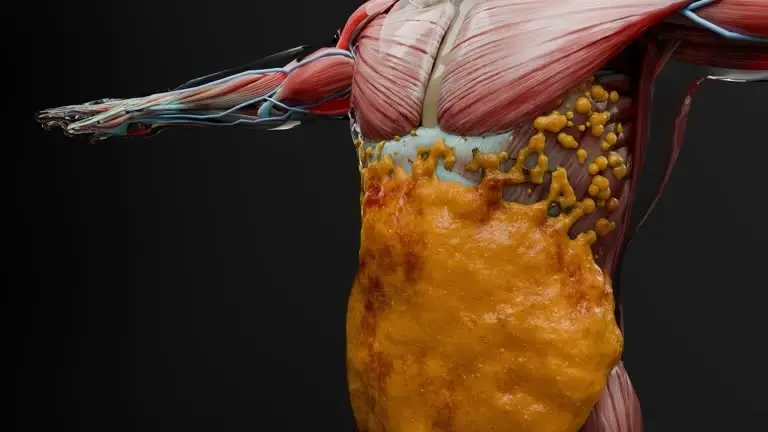
AOD-9604 supports metabolic health by stimulating fat breakdown and increasing fat oxidation. Research shows AOD-9604 activates lipolysis in adipose tissue, helping the body use stored fat as energy more efficiently.
Studies also report that AOD-9604 does not disrupt insulin sensitivity or glucose metabolism, supporting stable metabolic function during fat metabolism. Researchers noted fat-reducing effects without inducing insulin resistance.
Additional endocrinology research shows AOD-9604 increases fat oxidation and energy expenditure through β-adrenergic pathways, supporting improved lipid metabolism.
These findings suggest improved metabolic efficiency during AOD weight loss, driven by enhanced fat metabolism and stable glucose regulation.
AOD works on hunger signals in the brain during lab tests. Animals given AOD eat less food without getting sick like other diet treatments cause. This makes AOD different from harsh appetite pills that make people feel bad.
Studies show AOD helps stop weight loss plateaus. This happens because appetite stays controlled for longer periods. Medical professionals see that test subjects keep eating normal amounts without the bad effects from other treatments.
The research shows AOD works with natural hunger hormones. This creates better results than forcing appetite down with strong drugs. Animals in studies maintain steady eating patterns throughout treatment cycles. This approach seems more sustainable for long-term obesity research compared to aggressive appetite suppressants.
AOD stops weight loss plateaus by working with FTPP to target fat from different angles in laboratory studies. Research shows that animal models adapt to single treatments over time. AOD keeps breaking down fat cells while FTPP helps reduce food intake in test subjects.
FTPP works by cutting off blood supply to fat tissue in laboratory settings. This makes fat cells die naturally in controlled studies. Animal models given both peptides lose weight steadily without the usual stalling effects seen with single-peptide protocols.
Laboratory data shows the two peptides complement each other well. AOD weight loss peptide focuses on fat breakdown while FTPP controls appetite in research settings. This dual action prevents adaptation mechanisms that cause plateaus in single-peptide studies.
Discover FTPP from Peptide Works, a research peptide that helps reduce adipose tissue by restricting fat cell blood supply for advanced obesity studies.
AOD-9604 works at the cellular level by stimulating lipolysis in adipose tissue. Research shows increased lipolytic activity in fat tissue following AOD-9604 exposure, suggesting breakdown of stored fat.
Studies also indicate that AOD-9604 stimulates fat metabolism and inhibits lipogenesis, helping fat cells release stored triglycerides as fatty acids and glycerol. This process supports fat breakdown rather than destroying fat cells.
Animal research further demonstrates that AOD-9604 increases lipolytic sensitivity and fat oxidation, thereby enhancing fat metabolism in adipose tissue.
Research also shows that AOD-9604 selectively activates lipolysis in adipose tissue, supporting targeted fat metabolism while limiting broader metabolic effects.
AOD weight loss research continues to expand our understanding of targeted fat loss mechanisms through established preclinical lipolysis studies. Researchers are exploring AOD-9604’s β3-adrenergic activity and lipolytic sensitivity in obese rodent models to develop more effective research protocols. Current studies continue to evaluate these adipose-specific mechanisms to better understand the outcomes of fat metabolism.
Research institutions recognize AOD’s established role in fat metabolism research, as evidenced by early studies. These foundational studies in obese rodent models demonstrate increased fat oxidation and selective lipolysis, supporting continued basic science investigation into adipose tissue regulation.
The growing interest in peptide-based therapies suggests that AOD weight loss research will continue to receive attention in the coming years. Peptide Works continues to support laboratories worldwide with high-quality compounds to advance research. This research may help improve understanding of how the body processes and regulates stored fat through AOD-9604’s verified adipose-targeted lipolytic mechanisms.
All products discussed are supplied for research purposes only and are not intended for human use.
References:
(1) Ng FM, Sun J, Sharma L, Libinaka R, Jiang WJ, Gianello R. Metabolic studies of a synthetic lipolytic domain (AOD9604) of human growth hormone. Horm Res. 2000;53(6):274-8.
(2) Dalle Grave R, Calugi S, Centis E, Marzocchi R, El Ghoch M, Marchesini G. Lifestyle modification in the management of the metabolic syndrome: achievements and challenges. Diabetes Metab Syndr Obes. 2010 Nov 2;3:373-85.
(3) Heffernan M, Summers RJ, Thorburn A, Ogru E, Gianello R, Jiang WJ, Ng FM. The effects of human GH and its lipolytic fragment (AOD9604) on lipid metabolism following chronic treatment in obese mice and beta(3)-AR knock-out mice. Endocrinology. 2001 Dec;142(12):5182-9.
(4) Astrup A, Madsbad S, Breum L, Jensen TJ, Kroustrup JP, Larsen TM. Effect of tesofensine on bodyweight loss, body composition, and quality of life in obese patients: a randomised, double-blind, placebo-controlled trial. Lancet. 2008 Nov 29;372(9653):1906-1913.
ALL CONTENT AND PRODUCT INFORMATION AVAILABLE ON THIS WEBSITE IS FOR EDUCATIONAL PURPOSES ONLY.
DISCLAIMER: These products are intended solely as a research chemical only. This classification allows for their use only for research development and laboratory studies. The information available on our Peptide Works website: https://peptide-works.com/ is provided for educational purposes only. These products are not for human or animal use or consumption in any manner. Handling of these products should be limited to suitably qualified professionals. They are not to be classified as a drug, food, cosmetic, or medicinal product and must not be mislabelled or used as such.
Peptide Works
Related Articles
How can ARA-290 Peptide Help Diabetic Patients?
Diabetes affects millions of people around the world and leads to serious health problems. Research shows that the ARA-290 peptide

Can AICAR Peptide Improve Endurance?
AICAR peptide has shown promising results for improving endurance capacity in studies. Research shows that AICAR activates AMPK, increasing glucose

Enhancing Energy with NAD+ Supplements
Energy is the driving force behind focus, movement, and recovery. When cells have less energy to work with, the body