
PROMO!
First order? Get 10% OFF with this code: 1storder


Written by
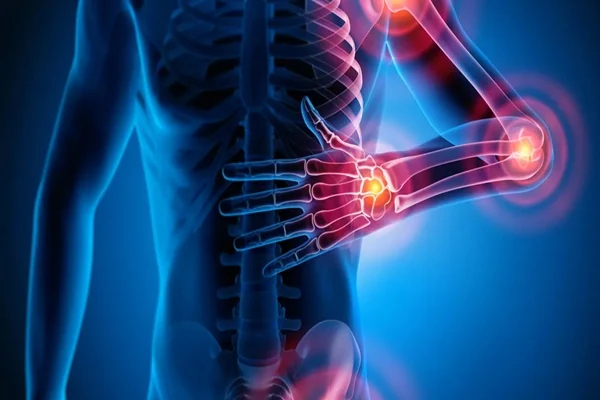
The body’s ability to repair damaged tissue depends on a carefully balanced inflammatory response. Among the molecules involved in this process. LL-37 has gained significant attention because of its role in the innate immune system.
As the only human cathelicidin peptide, LL-37 continues to attract interest for its antimicrobial activity and its ability to regulate immune signaling during tissue repair.
Research suggests this healing peptide supports several parts of tissue repair. These include immune regulation, cell migration, angiogenesis, and re-epithelialization.
These findings have made LL-37 an important subject in wound healing and inflammation research, with most evidence coming from preclinical studies that continue to explore its biological functions.
Explore LL-37 from Peptide Works, a healing peptide that helps fight bacteria, calm inflammation, and support tissue repair.
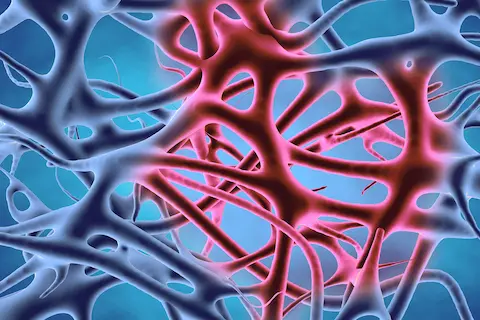
LL-37 is called a healing peptide because studies show it supports several key steps of tissue repair. It promotes cell migration, angiogenesis, and re-epithelialization. It also helps regulate inflammatory signaling during wound healing. These processes help damaged tissue repair more effectively and support wound closure.
Research also shows that LL-37 increased vascularization and re-epithelialization in wound models. Studies found that blocking LL-37 slowed re-epithelialization and delayed wound closure. These results show that LL-37 plays an active role in tissue repair, which is why it is widely studied for wound healing and regeneration.
LL-37 fights bacteria by binding to the bacterial cell membrane and disrupting its structure. Its positive charge helps it attach to the negatively charged surface of many bacteria. It then weakens the membrane and can form pores.
This causes the contents of the bacterial cell to leak out, leading to bacterial death. Studies show LL-37 has activity against many Gram-positive and Gram-negative bacteria.
Research also shows that LL-37 binds to lipopolysaccharide (LPS) on Gram-negative bacteria. This helps neutralize bacterial toxins and supports the body’s early immune defense.
Studies found that LL-37 can disrupt both the outer and inner bacterial membranes. Its antimicrobial activity is one reason it is considered an important part of the innate immune system.
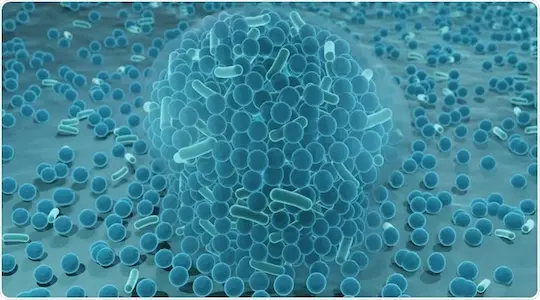
LL-37 plays an important role in immune and inflammatory responses. Studies show it helps the innate immune system respond to infection and tissue damage. Studies show that it recruits neutrophils, monocytes, and T cells to affected tissues.
It also stimulates chemokine and cytokine production, helping coordinate the early immune response and strengthen host defense.
LL-37 also helps regulate inflammation. Research shows it can either increase or reduce inflammatory signaling depending on the type of stimulus and the local tissue environment.
It interacts with immune signaling pathways, including Toll-like receptor pathways, to support an effective immune response while helping prevent excessive inflammation.
Although LL-37 is one of the most studied healing peptides, researchers are also investigating other peptides that support tissue repair and inflammation through different biological pathways.
KPV is a healing peptide that helps reduce inflammation by calming the body’s inflammatory response. Studies show it blocks the NF-κB and MAPK signaling pathways. These pathways control the release of many inflammatory molecules. When they are blocked, cells produce fewer pro-inflammatory cytokines. This helps lower inflammation in epithelial and immune cells.
Research also shows this healing peptide enters cells through the PepT1 transporter. Once inside, it reduces inflammatory signaling and lowers cytokine production.
Animal studies found that KPV reduced intestinal inflammation and improved recovery in experimental colitis models.
Discover KPV from Peptide Works, peptide that helps reduce inflammation, ease swelling, and support balanced recovery.

TB-500 is a healing peptide designed to mimic thymosin beta-4. Research shows thymosin beta-4 speeds tissue repair by helping repair cells move to the injured area. It binds to actin. It also supports angiogenesis and collagen deposition. These processes help damaged tissue repair more efficiently.
Direct studies on TB-500 are limited. Most published evidence comes from thymosin beta-4 studies in cell and animal models. These studies show activation of the same tissue repair pathways. Based on this research, TB-500 is expected to support these repair mechanisms, but direct evidence for TB-500 remains limited.
Shop TB500 from Peptide Works, peptide that promotes cell migration, speeds repair, and supports healthier tissue recovery.
LL-37 may work faster than some other healing peptides because it has direct antimicrobial activity. Research shows LL-37 can disrupt bacterial membranes soon after contact. At the same time, it helps regulate the immune response and supports wound healing. These actions begin during the early stages of infection and wound healing, while tissue repair continues over time.
| LL-37 | Direct antimicrobial activity, immune regulation, wound healing | Bacterial control and tissue repair |
| KPV | Anti-inflammatory activity | Cytokine regulation |
| TB-500 | Cell migration and tissue repair | Actin regulation and tissue remodeling |
LL-37 works differently from KPV and TB-500. KPV mainly helps reduce inflammation. TB-500 mainly supports cell movement and tissue repair. Because these peptides work in different ways, studies do not show that one is always faster than another. Their effects depend on the condition being studied.
Healing peptide research continues to grow as scientists learn how these molecules support tissue repair, reduce inflammation, and regulate the immune response. LL-37, KPV, and TB-500 each work through different biological pathways.
Ongoing research continues to improve our understanding of wound healing and tissue repair. As research moves forward, new discoveries may improve peptide design and expand future research in regenerative medicine.
Peptide Works is committed to supporting the research community with high-quality research peptides and educational resources that help researchers stay at the forefront of peptide science.
All products discussed are supplied for research purposes only and are not intended for human use.
(1) Ridyard KE, Overhage J. The Potential of Human Peptide LL-37 as an Antimicrobial and Anti-Biofilm Agent. Antibiotics (Basel). 2021 May 29;10(6):650.
(2) Kahlenberg JM, Kaplan MJ. Little peptide, big effects: the role of LL-37 in inflammation and autoimmune disease. J Immunol. 2013 Nov 15;191(10):4895-901.
(3) Alalwani SM, Sierigk J, Herr C, Pinkenburg O, et al. The antimicrobial peptide LL-37 modulates the inflammatory and host defense response of human neutrophils. Eur J Immunol. 2010 Apr;40(4):1118-26.
(4) Song Y, Wu C, Zhang X, Bian W, et al. A short peptide potentially promotes the healing of skin wound. Biosci Rep. 2019 Mar 22;39(3):BSR20181734.
ALL CONTENT AND PRODUCT INFORMATION AVAILABLE ON THIS WEBSITE IS FOR EDUCATIONAL PURPOSES ONLY.
DISCLAIMER: These products are intended solely as a research chemical only. This classification allows for their use only for research development and laboratory studies. The information available on our Peptide Works website: https://peptide-works.com/ is provided for educational purposes only. These products are not for human or animal use or consumption in any manner. Handling of these products should be limited to suitably qualified professionals. They are not to be classified as a drug, food, cosmetic, or medicinal product and must not be mislabelled or used as such.
Peptide Works
Related Articles
How can ARA-290 Peptide Help Diabetic Patients?
Diabetes affects millions of people around the world and leads to serious health problems. Research shows that the ARA-290 peptide

Can AICAR Peptide Improve Endurance?
AICAR peptide has shown promising results for improving endurance capacity in studies. Research shows that AICAR activates AMPK, increasing glucose

Enhancing Energy with NAD+ Supplements
Energy is the driving force behind focus, movement, and recovery. When cells have less energy to work with, the body