

PROMO!
First order? Get 10% OFF with this code: 1storder


Written by

Protirelin and Thyrogen are both used in thyroid research, but they act at different points in the thyroid hormone pathway. Protirelin works upstream by affecting the pituitary gland, while Thyrogen works directly on thyroid cells.
Protirelin is a synthetic form of thyrotropin-releasing hormone (TRH). It activates TRH receptors in the pituitary gland and stimulates the release of thyroid-stimulating hormone (TSH). This makes Protirelin useful for studying pituitary response and upstream regulation of the hypothalamic-pituitary-thyroid axis.
Thyrogen is a recombinant form of thyroid-stimulating hormone (TSH). It directly activates TSH receptors on thyroid follicular cells. Research shows that Thyrogen increases thyroid cell activity, iodide uptake and thyroglobulin production. This allows researchers to study thyroid responses through direct TSH stimulation.
Understanding these differences helps explain how Protirelin and Thyrogen affect thyroid hormone signaling in research settings.
Explore Protirelin from Peptide Works, a synthetic TRH peptide used to study pituitary signaling and upstream thyroid hormone regulation.
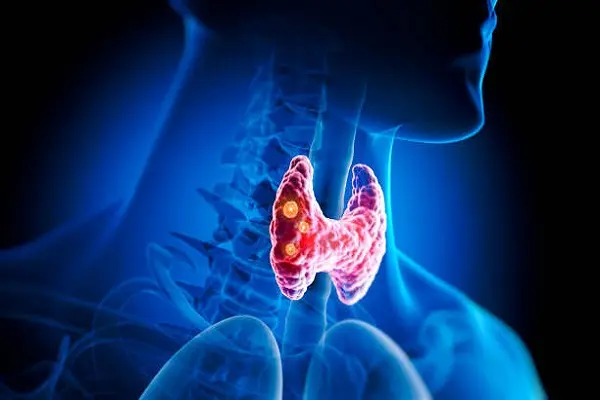
Thyrogen stimulates thyroid signaling by binding to thyroid-stimulating hormone (TSH) receptors on thyroid follicular cells. This activation starts signaling pathways inside the cells that control thyroid cell activity and hormone production.
Studies show that TSH receptor activation plays an important role in regulating thyroid cell function, growth, and hormone synthesis through several signaling pathways.
After activation, Thyrogen increases cyclic AMP (cAMP) signaling inside thyroid cells. This pathway helps regulate thyroid-specific gene expression and thyroid cell activity.
Research also shows that TSH receptor activation increases iodine uptake, thyroglobulin synthesis, and thyroid hormone precursor formation. These signaling responses allow researchers to study how thyroid cells respond to direct TSH stimulation.
Thyrogen influences thyroid gene expression by activating thyroid-stimulating hormone receptors on thyroid follicular cells. Activation of this pathway regulates transcription of thyroid-specific genes, including thyroglobulin, thyroid peroxidase, and sodium iodide symporter.
These genes control thyroid hormone synthesis, iodine handling, and thyroid cell activity. Studies show that TSH receptor signaling plays a major role in regulating these thyroid specific genes and maintaining thyroid function.
After activation, intracellular signaling increases transcription factors that control thyroid gene expression. Research shows that TSH stimulation increases thyroglobulin and thyroid peroxidase mRNA levels in a dose-dependent manner.
Additional studies show increased sodium iodide symporter gene expression after TSH activation. These gene changes help control how thyroid cells respond and support thyroid signaling.
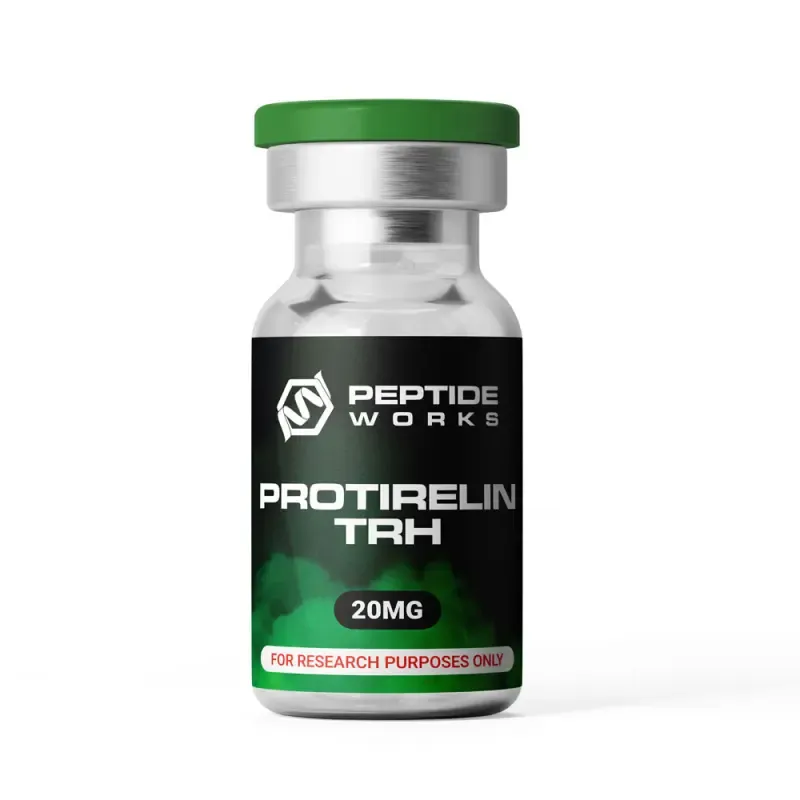
Protirelin stimulates pituitary hormone release by binding to thyrotropin-releasing hormone (TRH) receptors in the anterior pituitary. This receptor activation starts signaling pathways that promote thyroid-stimulating hormone (TSH) release.
Studies show that TRH receptor activation increases phospholipase C activity and raises calcium levels inside pituitary cells. This process drives TSH release and helps regulate pituitary response and thyroid axis activity.
Protirelin also stimulates prolactin release through TRH receptor signaling. Research shows that TRH stimulation increases prolactin release from anterior pituitary cells along with TSH secretion.
Additional studies show that Protirelin affects pituitary hormone regulation by activating protein kinase pathways involved in hormone release. These responses help researchers study pituitary function and investigate upstream thyroid hormone regulation.
Protirelin causes a rapid rise in thyroid-stimulating hormone (TSH) levels after activating thyrotropin-releasing hormone (TRH) receptors in the anterior pituitary. This receptor activation stimulates pituitary cells to release TSH and shows how the pituitary responds to TRH signaling.
Studies show that TSH levels usually rise within 15 to 30 minutes after Protirelin administration. Peak TSH levels commonly occur around 30 minutes after stimulation. This rise indicates direct pituitary activation and yields a measurable hormonal response.
Research shows that Protirelin can cause a strong increase in serum TSH levels. followed by a gradual decline as the pituitary response returns toward baseline. This response helps researchers evaluate pituitary sensitivity and upstream thyroid hormone regulation.
In contrast, Thyrogen is recombinant TSH that acts directly on thyroid tissue instead of causing TSH release from the pituitary. These differences show that Protirelin and Thyrogen activate different parts of the thyroid hormone pathway.
Protirelin and Thyrogen differ in where they start thyroid signaling. Protirelin acts on the pituitary gland and triggers the release of thyroid-stimulating hormone (TSH). Thyrogen acts directly on thyroid follicular cells by activating TSH receptors.
These different pathways create different responses. Protirelin helps researchers study upstream pituitary regulation. Thyrogen helps study direct thyroid stimulation.
| Primary Target | Anterior pituitary gland | Thyroid follicular cells |
| Mechanism | TRH receptor activation | TSH receptor activation |
| Signaling Pathway | PLC/calcium signaling | cAMP signaling |
| Stimulation Type | Indirect thyroid stimulation | Direct thyroid stimulation |
Researchers prefer Thyrogen when controlled thyroid stimulation is needed without changing upstream hormone signaling. Recombinant thyroid stimulating hormone directly activates TSH receptors on thyroid follicular cells. This increases iodine uptake and thyroglobulin release.
Studies show that recombinant TSH increases thyroid cell activity and supports the measurement of thyroid-derived biomarkers under controlled conditions.
Thyrogen is also used when consistent thyroid stimulation is needed across research models. Evidence shows that recombinant TSH produces controlled thyroid responses without relying on natural pituitary TSH signaling. This allows researchers to study thyroid tissue function and hormone production with less variation.
These properties make Thyrogen useful for studies focused on thyroid response, iodine transport and thyroid protein expression.
Ongoing research continues to explore Protirelin and Thyrogen as valuable tools for studying thyroid signaling and endocrine regulation. Protirelin supports investigation of upstream hormone activity, while Thyrogen enables controlled thyroid tissue stimulation.
These complementary roles allow researchers to examine different levels of thyroid hormone cascades with improved clarity and consistency.
As interest in thyroid signaling research grows, peptides like Protirelin and Thyrogen may support more refined experimental approaches and biomarker evaluation.
At Peptide Works, we remain focused on providing reliable peptide access to support evolving thyroid research and ongoing investigation of thyroid hormone signaling.
All products discussed are supplied for research purposes only and are not intended for human use.
(1) Smith TJ. Insulin-Like Growth Factor Pathway and the Thyroid. Front Endocrinol (Lausanne). 2021 Jun 4;12:653627.
(2) Garbutt JC, Mayo JP, Little KY, Gillette GM, Mason GA, Dew B, Prange AJ Jr. Dose-response studies with protirelin. Arch Gen Psychiatry. 1994 Nov;51(11):875-83.
(3) Goel R, Raju R, Maharudraiah J, Sameer Kumar GS, Ghosh K, Kumar A, Lakshmi TP, Sharma J, Sharma R, Balakrishnan L, Pan A, Kandasamy K, Christopher R, Krishna V, Mohan SS, Harsha HC, Mathur PP, Pandey A, Keshava Prasad TS. A Signaling Network of Thyroid-Stimulating Hormone. J Proteomics Bioinform. 2011 Oct 29;4:10.4172/jpb.1000195.
(4) Duval F, Macher JP, Mokrani MC. Difference between evening and morning thyrotropin responses to protirelin in major depressive episode. Arch Gen Psychiatry. 1990 May;47(5):443-8.
ALL CONTENT AND PRODUCT INFORMATION AVAILABLE ON THIS WEBSITE IS FOR EDUCATIONAL PURPOSES ONLY.
DISCLAIMER: These products are intended solely as a research chemical only. This classification allows for their use only for research development and laboratory studies. The information available on our Peptide Works website: https://peptide-works.com/ is provided for educational purposes only. These products are not for human or animal use or consumption in any manner. Handling of these products should be limited to suitably qualified professionals. They are not to be classified as a drug, food, cosmetic, or medicinal product and must not be mislabelled or used as such.
Peptide Works
Related Articles
How can ARA-290 Peptide Help Diabetic Patients?
Diabetes affects millions of people around the world and leads to serious health problems. Research shows that the ARA-290 peptide

Can AICAR Peptide Improve Endurance?
AICAR peptide has shown promising results for improving endurance capacity in studies. Research shows that AICAR activates AMPK, increasing glucose

Enhancing Energy with NAD+ Supplements
Energy is the driving force behind focus, movement, and recovery. When cells have less energy to work with, the body