
PROMO!
First order? Get 10% OFF with this code: 1storder


Written by
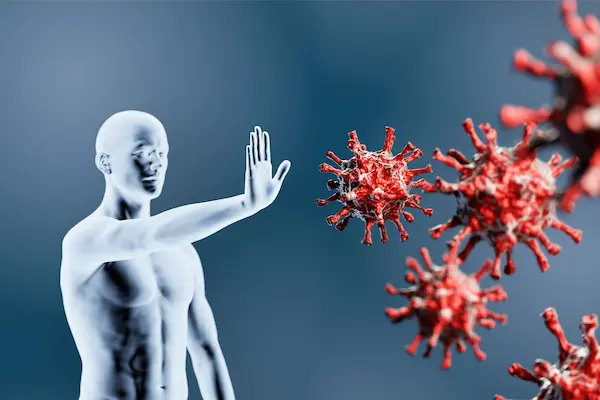
The immune system protects the body every day. When immune cells communicate and respond properly, they help maintain a healthy defense against infections and other challenges. Researchers continue to study peptides that may help explain how these complex immune processes work.
Thymalin Peptide is getting more attention in immune research. Scientists are studying how it affects the immune system. Research looks at its role in T-cell activity, immune signaling, and immune pathways. These are helping researchers learn more about immune function, healthy aging, and the future of immune research.
This article explores the latest research on Thymalin Peptide, including its role in T-cell function, cytokine regulation, immune signaling, and how it compares with Thymosin Alpha-1.
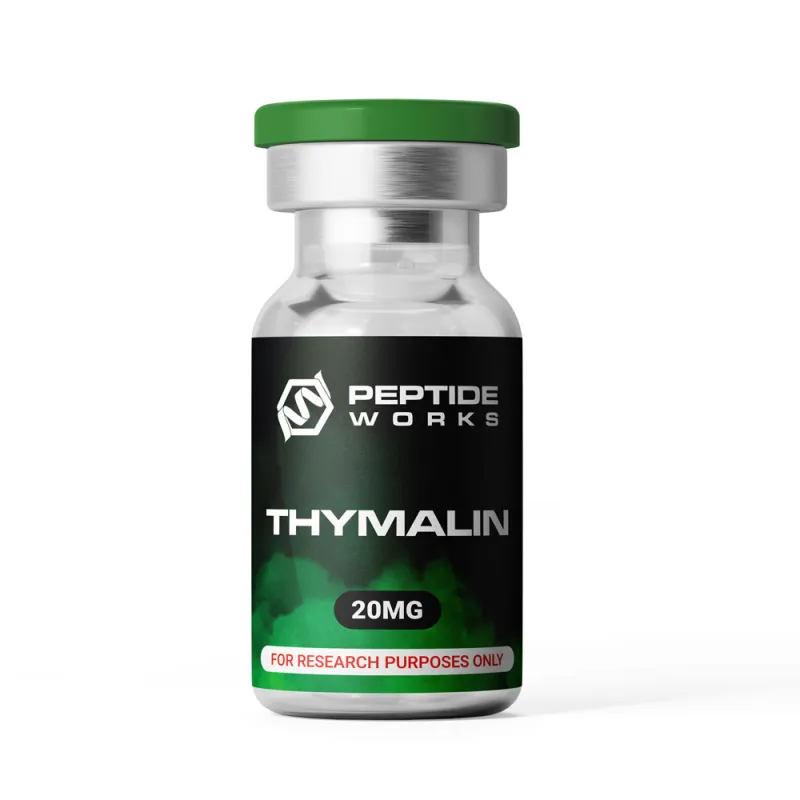
Explore Thymalin Peptide from Peptide Works, a thymus-derived compound studied for its role in T-cell activity, cytokine balance, and immune coordination.
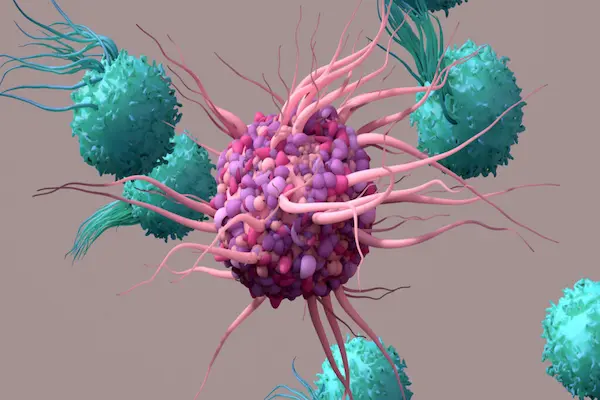
Thymalin peptide plays an important role in supporting T lymphocytes, the body’s main defense cells. It helps them grow and multiply improving their ability to respond to infections and other challenges. By potentially regulating cytokine production, Thymalin may help support immune balance and reduce the risk of overactivation.
Thymalin may also affect programmed cell death and antigen recognition. These processes help the immune system work properly. They also support recovery of normal immune function. These effects make Thymalin an important peptide for research on immunotherapy and age-related changes in the immune system.
Cytokine regulation represents a fundamental mechanism through which Thymalin exerts its effects on immune cell communication.
Thymalin helps regulate cytokine production during immune responses. Research shows it reduces the release of pro-inflammatory cytokines, including IL-1β, IL-6, and TNF-α, in human peripheral blood mononuclear cells. These effects help support balanced immune signaling during inflammation.
Thymalin may also regulate genes involved in cytokine signaling through its active peptides. This helps immune cells communicate with each other. It also helps maintain immune homeostasis. These effects make Thymalin an important peptide for research on inflammation and immune regulation.
Beyond cytokine modulation, researchers also study how Thymalin shapes deeper signaling pathways inside immune cells.
Thymalin peptide acts within immune cells and modulates T cell activity. It may affect signaling pathways involving molecules such as NF-κB and STAT proteins, which control genes important for immune responses. These signals enable T cells to respond quickly to infections and to coordinate with other immune cells. Peptides like Thymosin Alpha-1 work in similar ways and help support immune signaling while complementing Thymalin’s effects.
Thymalin also influences signals in B cells and natural killer cells. By adjusting these signals, it helps the immune system respond correctly, strengthens adaptive and innate immunity and keeps the immune system balanced. These actions make it a relevant subject in research on immune aging, immune coordination and potential immunotherapy strategies.
Another thymic peptide worth examining is Thymosin Alpha-1, which shows its own unique impact on immune performance.
Thymosin Alpha-1 helps the immune system work more effectively. It supports T-cell maturation and activation. It also improves the function of dendritic cells and natural killer cells. These immune cells help the body recognize and respond to harmful pathogens.
Thymosin Alpha-1 also regulates cytokine production and supports balanced immune signaling. It helps strengthen both innate and adaptive immune responses. Research shows it restores immune function instead of simply increasing immune activity. This makes it an important peptide for immune system research.
Discover Thymosin Alpha-1 from Peptide Works, a thymic peptide researched for enhancing immune recovery, boosting T cell responses, and supporting resilience.
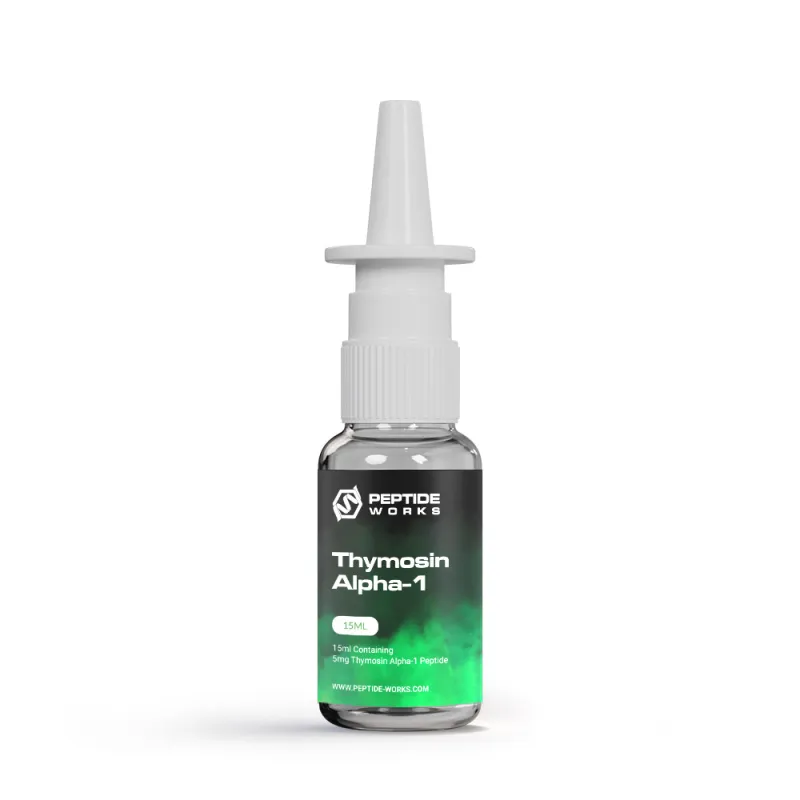
Thymosin Alpha-1 helps restore immune function when it is weakened by chronic infection, cancer or age-related immune decline. Research shows it supports T-cell maturation, improves CD4+ and CD8+ T-cell function and enhances natural killer cell activity. These effects help restore immune homeostasis and strengthen both innate and adaptive immune responses.
Thymosin Alpha-1 also modulates cytokine production to help maintain a balanced immune response. It supports protective immune activity while helping limit excessive inflammation in some disease settings. These actions make Thymosin Alpha-1 an important research peptide for studying immune recovery and immune regulation.
A direct comparison reveals how both peptides support immunity through different but complementary mechanisms.
Thymalin Peptide and Thymosin Alpha-1 both come from the thymus and are studied for how they support the immune system. Thymalin helps guide T cells, balance cytokines, and keep signals in check. This makes it useful in studies on aging and immune coordination. Thymosin Alpha-1, on the other hand, is known for helping the immune system recover. It improves the CD4/CD8 ratio, builds naïve T-cells and boosts natural killer cells.
While both support immunity, they work in different ways. Thymalin is studied mainly for its role in regulating immune coordination, while Thymosin Alpha 1 is noted for supporting recovery when immune-function is weakened.
| Feature | Thymalin Peptide | Thymosin Alpha-1 |
|---|---|---|
| Primary Action | Regulates T cell activity and cytokine balance | Restores immune function, improves CD4/CD8 ratio |
| Immune Focus | Supports immune coordination and signaling | Strengthens recovery from weakened immunity |
| Research Areas | Aging immunity, immune pathways, immunotherapy | Chronic infections, immune exhaustion, resilience |
This comparison shows how each peptide provides a different angle for studying immunity making them valuable for advancing knowledge of resilience and recovery.
Thymalin peptide continues to gain attention in immune research. Future studies may explain how it supports immune regulation and how it works with other thymus peptides. Thymosin Alpha-1 is also being studied for its role in immune function. Together, these peptides help researchers better understand immune recovery, healthy aging, and new approaches to immune research.
At Peptide Works, we supply high-quality research peptides to laboratories worldwide. These peptides support research in immune biology and help drive new discoveries in peptide science.
All peptides and compounds mentioned are strictly for research purposes only and not for human use.
(1) Khavinson VK, Linkova NS, Chalisova NI, Ivko OM. The Use of Thymalin for Immunocorrection and Molecular Aspects of Biological Activity. Biol Bull Rev. 2021;11(4):377–82.
(2) Kuznik B, Khavinson V, Shapovalov K, Linkova N, et al. Peptide Drug Thymalin Regulates Immune Status in Severe COVID-19 Older Patients. Adv Gerontol. 2021;11(4):368–76.
(3) King R, Tuthill C. Immune Modulation with Thymosin Alpha 1 Treatment. Vitam Horm. 2016;102:151-78.
(4) Dominari A, Hathaway Iii D, Pandav K, Matos W, et al. Thymosin alpha 1: A comprehensive review of the literature. World J Virol. 2020 Dec 15;9(5):67-78.
ALL CONTENT AND PRODUCT INFORMATION AVAILABLE ON THIS WEBSITE IS FOR EDUCATIONAL PURPOSES ONLY.
DISCLAIMER: These products are intended solely as a research chemical only. This classification allows for their use only for research development and laboratory studies. The information available on our Peptide Works website: https://peptide-works.com/ is provided for educational purposes only. These products are not for human or animal use or consumption in any manner. Handling of these products should be limited to suitably qualified professionals. They are not to be classified as a drug, food, cosmetic, or medicinal product and must not be mislabelled or used as such.
Peptide Works
Related Articles
How can ARA-290 Peptide Help Diabetic Patients?
Diabetes affects millions of people around the world and leads to serious health problems. Research shows that the ARA-290 peptide

Can AICAR Peptide Improve Endurance?
AICAR peptide has shown promising results for improving endurance capacity in studies. Research shows that AICAR activates AMPK, increasing glucose

Enhancing Energy with NAD+ Supplements
Energy is the driving force behind focus, movement, and recovery. When cells have less energy to work with, the body